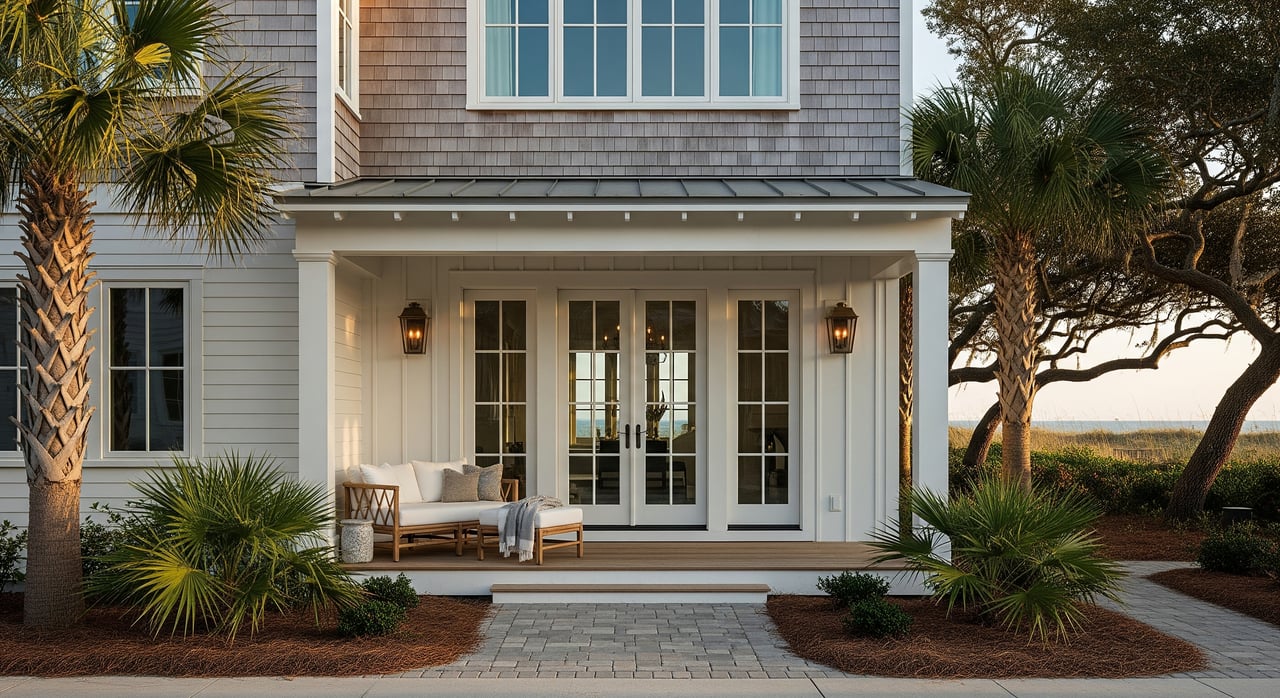
Discover the Market Common Best Time to Sell in 2025
Selling in The Market Common is all about timing. Pick the right week and you can boost views, shorten days on market, and protect your bottom line. Pick the wrong one and you may face price cuts and a longer wait. In this guide, you’ll learn the best seasons and tactics for listing in The Market Common and nearby Surfside Beach, plus how to tailor your timing to your likely buyer. Let’s dive in.
The broader Myrtle Beach area has cooled in 2024–2025, with longer listing times and more sales closing below the original price. In June 2025, Myrtle Beach homes averaged about 121 days on market and roughly 78% sold below asking, which signals more buyer leverage in many segments (Rocket/Redfin market overview). This shift represents a notable change from the rapid-sale environment of recent years, giving buyers more room to negotiate on price, terms, and contingencies. Sellers who understand this new dynamic can position themselves more strategically from day one.
The Market Common shows more volatile numbers due to smaller sample sizes, including an average listing age reported at 382 days in June 2025. Treat neighborhood stats with care, since one or two long‑tail listings can skew the averages (Market Common snapshot). It's worth digging into comparable properties that match your home's size, condition, and price point rather than relying on neighborhood-wide averages. A well-priced, well-presented home in The Market Common can still move much faster than the headline numbers suggest, especially when timed correctly.
National research points to spring as the top window. Realtor.com identified April 13–19, 2025 as the single best week to list nationally, thanks to higher prices, more views, and less competition (Realtor.com best week). This sweet spot reflects a convergence of motivated buyers emerging from winter, tax refund spending power, and the natural urge to settle in before summer. Locally, spring and fall are strong for primary and relocation buyers, while summer brings heavy visitor traffic. Peak visitor season runs June through August, which drives short‑term rental demand and can help investors evaluate rental potential (Grand Strand visitor season). For sellers, summer can be a double-edged sword: more eyes on the area, but also more competing listings and distracted vacationers who may not be ready to buy.
Hurricane season runs June 1 through November 30, with a peak from mid‑August to October. You can list during this period, but storms may delay showings, inspections, or closings, so build in contingency plans and clear communication with buyers (NOAA hurricane season). Smart sellers prepare for weather disruptions by maintaining flexible showing schedules, keeping documentation of recent roof and structural maintenance on hand, and working with agents who can quickly pivot when forecasts shift. A proactive approach to storm season can actually become a selling point, demonstrating that your home is well-maintained and resilient.
If your home will appeal to local or relocating buyers, focus on early to mid spring. Families and professionals often aim to shop in spring and close before summer. This timing lines up with stronger buyer activity and lighter competing inventory. School calendars play a major role here, as families want to be settled before the new academic year begins, which means decisions are often made by late May or early June. Highlighting proximity to schools, parks, and family-friendly amenities in The Market Common can resonate strongly with this group during the spring window.
Retirees and second‑home buyers are active year‑round. Many prefer to shop in fall and winter when traffic is lighter. If your home offers low‑maintenance living and nearby amenities, a fall listing can attract steady, serious buyers. These buyers often have flexibility on timing and are motivated by lifestyle rather than urgency, which means they take time to evaluate options thoroughly. Properties that showcase walkability, easy access to dining and shopping, single-level living, and HOA-managed exteriors tend to perform especially well with this demographic, regardless of season.
If you are targeting investors, consider listing in late winter or early spring so buyers can close before peak bookings. Another tactic is to list in late spring to showcase verified summer rental revenue. Always confirm current HOA rules and city requirements, since these directly shape investor demand (Market Common rental policy shift, South Carolina STR rules overview). Investors run the numbers carefully, so providing transparent income statements, occupancy data, and a clear picture of operating expenses can shorten the negotiation process significantly. The more documentation you can offer upfront, the more competitive your listing becomes in this niche.
Aim for early to mid spring for broadest buyer demand. Realtor.com's best week is mid‑April, so being market‑ready by late March or early April helps you capitalize on that surge. This means starting your prep work in January or February to ensure everything from photography to staging to repairs is dialed in before peak traffic arrives. Sellers who rush to market in April without proper preparation often miss the window entirely and end up competing with more polished listings later in the season.
For investor‑leaning properties, list in late winter or early spring to catch buyers preparing for summer revenue, or use late spring to present real rental results. Keep your documentation ready and accurate. Investors often request 12 to 24 months of historical performance data, so having those records organized in advance can make or break a deal. If you've recently made improvements that boosted rental income, be ready to demonstrate the before-and-after numbers clearly.
Plan 4 to 8 weeks for prep before you go live. Use this checklist:
Price close to recent comps and the current market pace. In a market where many homes sell below asking, aggressive overpricing often leads to a longer listing and later reductions. Buyers and their agents track price history closely, and multiple reductions can create a perception that something is wrong with the property, even when it's simply overpriced. Starting with a realistic number generates more showings, stronger offers, and often a faster sale at a price closer to your original ask.
A mid‑week launch can help your listing appear fresh for weekend showings; studies point to Thursday as a smart go‑live day (best day to list). Going live on Thursday gives your listing time to be indexed across major real estate platforms, reach buyer email alerts, and build anticipation before Saturday and Sunday tours. If investors are your target, include a one‑page rental performance summary in your marketing packet (rental performance tips). This summary should highlight gross revenue, occupancy rates, average daily rate, and any standout reviews or repeat-guest metrics that demonstrate the property's earning potential.
Set expectations for a longer runway. Area averages in mid‑2025 show listings often measured in months, not weeks. That means strong photos, accurate pricing, and steady marketing matter more than ever. A listing that goes stale can be revived through price adjustments, refreshed photography, or strategic open houses, but it's far more efficient to launch correctly the first time. Sellers who treat the listing period as an active marketing campaign rather than a passive wait tend to see better results.
Be ready to negotiate on timing or repairs, and keep your property show‑ready throughout the listing. Buyers in today's market often request concessions for closing costs, rate buydowns, or minor repairs, and sellers who approach these requests with flexibility tend to close deals that rigid negotiators lose. Maintaining a consistently show-ready home, even months into the listing, signals care and professionalism that subtly reinforces your asking price.
If you want to reduce weather risk, consider listing before June. If you list during hurricane season, plan inspection windows carefully and keep buyers updated if storms approach (hurricane climatology). Communicating proactively about your home's storm preparedness, including any hurricane shutters, impact windows, generator hookups, or recent roof work, can ease buyer concerns and differentiate your property. Insurance considerations also come into play, so being able to share recent policy quotes or claims history can build trust with cautious buyers.
For investor‑friendly listings, confirm HOA rental rules and local license or permit needs up front. Market Common has shifted some properties from short‑term to longer‑term use, and cities require business licenses and tax registration for many STRs, which affects timing and buyer pool (Market Common policy changes, SC STR requirements). Misrepresenting a property's rental potential can derail a sale at the last minute or create legal exposure, so transparency about current regulations is essential. If your property is grandfathered into certain rental privileges, document that status clearly in your marketing materials.
Sometimes a job transfer, new build, or family need sets your timetable. In that case, focus on the controllables. Price correctly, invest in professional marketing, launch mid‑week, and keep communication strong with buyers. In a slower market, the right strategy can matter more than the exact week you list. Life rarely aligns perfectly with market cycles, and sellers who try to wait for the "perfect" moment often miss their personal windows for other reasons entirely.
When timing isn't on your side, lean harder into presentation and pricing strategy. A home that's priced sharply, photographed beautifully, and marketed across multiple channels can outperform comparable listings that launched in better seasons but lack the same polish. Working with an agent who understands both The Market Common's nuances and the broader Grand Strand market becomes especially valuable when you can't choose your timing.
Timing your sale in The Market Common comes down to aligning your listing with the right buyer at the right moment. Spring remains the strongest window for primary and relocation buyers, fall and winter draw serious retirees and second-home shoppers, and late winter through late spring works best for attracting investors. Layer in mid-week launches, accurate pricing, and professional marketing, and you give your home every advantage in a market where days on market are stretching longer than in years past.
That said, no two homes or sellers are the same. Your property's features, your timeline, and your target buyer all shape what "best timing" really means for you. The most successful sellers in The Market Common and Surfside Beach are the ones who treat timing as one piece of a larger strategy, not the whole plan.
If you're thinking about selling in The Market Common or Surfside Beach, Jan and Dan Sitter of Coastal Beach Homes are ready to help you build a custom plan backed by local market data and decades of combined experience. As trusted Grand Strand real estate experts, they personally handle every aspect of your transaction, from pricing and marketing to negotiation and closing. Their philosophy is simple: clients come first, and no one will work harder for you.
Ready to make your move? Contact Jan and Dan Sitter today at (854) 269-1593 or [email protected] to start mapping out your best timing and pricing strategy.


When you hire Jan and Dan, you get a team of professional real estate agent diligently working together on your behalf. They are knowledgeable and experienced professionals you can trust to best represent your interests in our unique market.

JAN AND DAN SITTER | COASTAL BEACH HOMES
ADDRESS
9628 N KINGS HWY
MYRTLE BEACH SC 29572