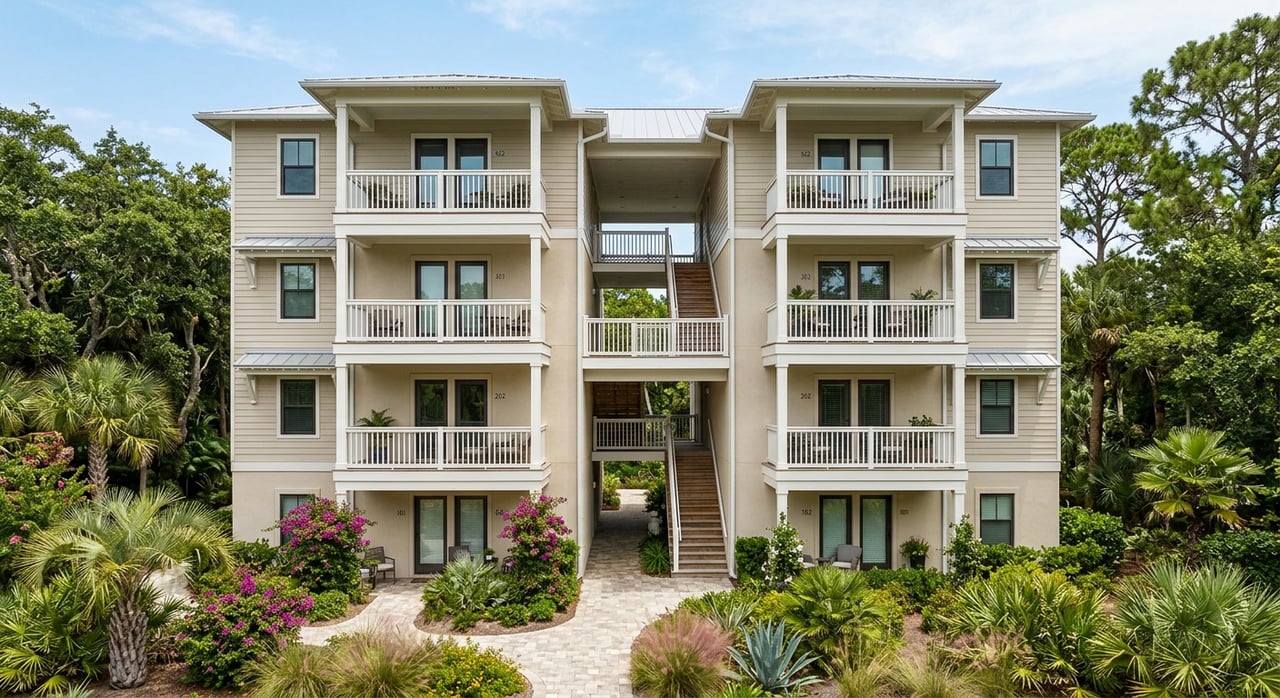
Myrtle Beach Condo vs Single-Family: How To Decide
Trying to choose between a condo and a single-family home in Myrtle Beach? That decision can feel simple at first, then quickly get more complicated once you factor in HOA dues, flood exposure, insurance, rental rules, and long-term upkeep. If you want a clearer way to compare your options, this guide will walk you through the real differences that matter most in the Myrtle Beach market. Let’s dive in.
Before you compare floor plans or price points, get clear on how you plan to use the property. In Myrtle Beach, the right fit often depends less on the property type itself and more on whether you are buying a primary residence, second home, or investment property.
That matters because your use can affect taxes, monthly costs, and rental options. Horry County states that owner-occupied primary residences are assessed at 4%, while other real property is assessed at 6%. In practical terms, a condo or house used as a second home may cost more to carry than a similar property used as your main home.
The biggest mistake many buyers make is comparing only the purchase price. A lower-priced condo can still have a higher monthly cost if dues, insurance, or other fees are substantial. A single-family home may have no condo dues, but your repair and maintenance costs may be more direct and less predictable.
A smart comparison should include all of your likely monthly and ongoing expenses, such as:
In a coastal market like Myrtle Beach, flood risk can be especially important. Properties in a FEMA Special Flood Hazard Area with government-backed mortgages typically require flood insurance, and standard homeowner's insurance generally does not cover flood damage.
For many Myrtle Beach buyers, condos offer a simpler ownership experience. You own your unit, but you also share ownership in common areas, and the association helps manage those spaces. That setup can mean less hands-on exterior upkeep for you.
This can be especially appealing if you are buying a vacation home, downsizing, or planning a more low-maintenance lifestyle. Many condo communities also include shared amenities, which can add convenience and shape the overall ownership experience.
A condo may be a good fit if you want:
For many second-home buyers and retirees, that lower-maintenance structure is a major advantage. You may spend less time coordinating routine exterior care and more time enjoying the property.
The convenience of condo living comes with more dependence on the association. Condo dues are usually paid separately from the mortgage, and they can range from a few hundred dollars per month to more than $1,000 per month.
You also need to look beyond the dues amount itself. In a condo, the association often carries master insurance for common areas, but you still need your own unit policy. In Myrtle Beach, flood exposure can affect both your personal insurance needs and the association's overall budget.
Single-family homes offer a different kind of value. If you want more direct control over maintenance decisions and how the property is cared for, a detached home may feel like a better match.
That control also comes with more responsibility. When you own a single-family home, you are generally responsible for repairs and upkeep, from routine maintenance to major expenses like roofing or other large systems.
A single-family home may be the better option if you want:
If you expect to stay several years, that can make a big difference. Buying and selling are expensive, so a longer ownership timeline often supports the case for taking on a home with more direct maintenance responsibility.
The biggest tradeoff is simple: more responsibility lands on you. That means budgeting not just for known monthly expenses, but also for surprise repairs and long-term maintenance.
It is also worth noting that single-family does not always mean no HOA. Some neighborhoods still have association dues, so you should include those costs in your comparison if they apply.
If rental income is part of your plan, you need to evaluate that early. In Myrtle Beach, all rental properties, including short-term and long-term rentals, require a business license from the city.
The city also states that its Short-Term Rental Conversion Overlay Zone limits certain oceanfront properties that were used as visitor accommodations from being converted to rentals of 90 days or longer. That means your intended rental strategy should be checked against both city rules and any association restrictions before you move forward.
With condos, the details behind the property can be just as important as the unit itself. Two units with similar prices and views can carry very different risks depending on the project's finances, rules, and condition.
South Carolina Consumer Affairs notes that governing documents can limit things like pets, guests, landscaping, and building standards. Its consumer education materials also highlight recurring concerns involving covenants and bylaws, maintenance and repairs, and access to documents.
Before you commit to a condo in Myrtle Beach, review:
This step matters whether you are buying for full-time living, a second home, or income potential. It can also affect financing.
Many buyers are surprised to learn that condo financing is not based only on their own credit and income. The condo project itself may also need to meet lender and project-eligibility requirements.
That means two similarly priced Myrtle Beach condos can have very different lending paths. If a project has issues like litigation, critical repairs, weak budget characteristics, or other eligibility concerns, financing may involve more review or become more difficult.
By comparison, a single-family home usually avoids that project-level review. So if financing simplicity is important to you, that can be a meaningful factor in the decision.
If you feel stuck, narrow the choice with a few practical questions. In most cases, your answer becomes clearer once you focus on costs, lifestyle, and rules instead of property type alone.
Ask yourself:
In general, a condo is often a strong fit if you want association-managed common areas, possible amenity access, and a more hands-off exterior maintenance setup. A single-family home is often a better fit if you want direct responsibility for upkeep and more control over maintenance decisions.
Neither option is automatically better. In Myrtle Beach, the best choice usually comes down to your all-in monthly cost, flood exposure, rental goals, financing path, and how involved you want to be in day-to-day ownership.
If you want help comparing condos, single-family homes, or both across the Grand Strand, Jan and Dan Sitter | Coastal Beach Homes can help you sort through the details and make a confident move.
When you hire Jan and Dan, you get a team of professional real estate agent diligently working together on your behalf. They are knowledgeable and experienced professionals you can trust to best represent your interests in our unique market.

JAN AND DAN SITTER | COASTAL BEACH HOMES
ADDRESS
9628 N KINGS HWY
MYRTLE BEACH SC 29572