
Preparing To List A Home In Surfside Beach
Getting ready to list a home in Surfside Beach can feel simple at first, until you remember everything coastal buyers notice. From moisture issues and flood-zone questions to permits, storm prep, and photo-ready outdoor spaces, the details matter here. If you want to make a strong first impression and avoid last-minute surprises, a focused pre-list plan can help you move forward with more confidence. Let’s dive in.
Surfside Beach has a distinct identity, and buyers often respond to that right away. The town promotes itself as “The Family Beach,” and its official visitor information highlights a laid-back, small-town setting, along with beach access, parking, and family-oriented attractions like the Surfside Beach Fishing Pier, also promoted as “The Family Pier.”
That means your home is not just competing on price or square footage. Buyers are also thinking about how easily they can enjoy everyday coastal living, including beach access, storage for gear, outdoor space, and a home that feels well cared for in a humid, salt-air environment.
Before you think about photos or showings, focus on the condition items that matter most near the beach. In Surfside Beach, that usually means paying close attention to moisture, corrosion, storm-related upkeep, and paperwork.
A smart pre-list checklist includes:
In a coastal market, moisture problems can quickly affect how buyers see your home. The CDC advises keeping indoor humidity at or below 50% and fixing leaks promptly to reduce mold growth. If mold is present, the moisture source needs to be corrected.
Before listing, check the areas where moisture tends to hide. That includes the roof, windows, plumbing, bathrooms, crawlspaces, attic vents, HVAC system, and any room or storage area with a musty smell.
If something feels damp, looks stained, or smells off, deal with it before your home hits the market. Buyers often notice these signs quickly during showings, and they can affect both confidence and negotiations.
The most common trouble spots include:
Salt spray and humidity can be tough on coastal homes. NOAA coastal hazards material notes that salt spray can corrode building materials, while moisture can also contribute to decay and termite pressure.
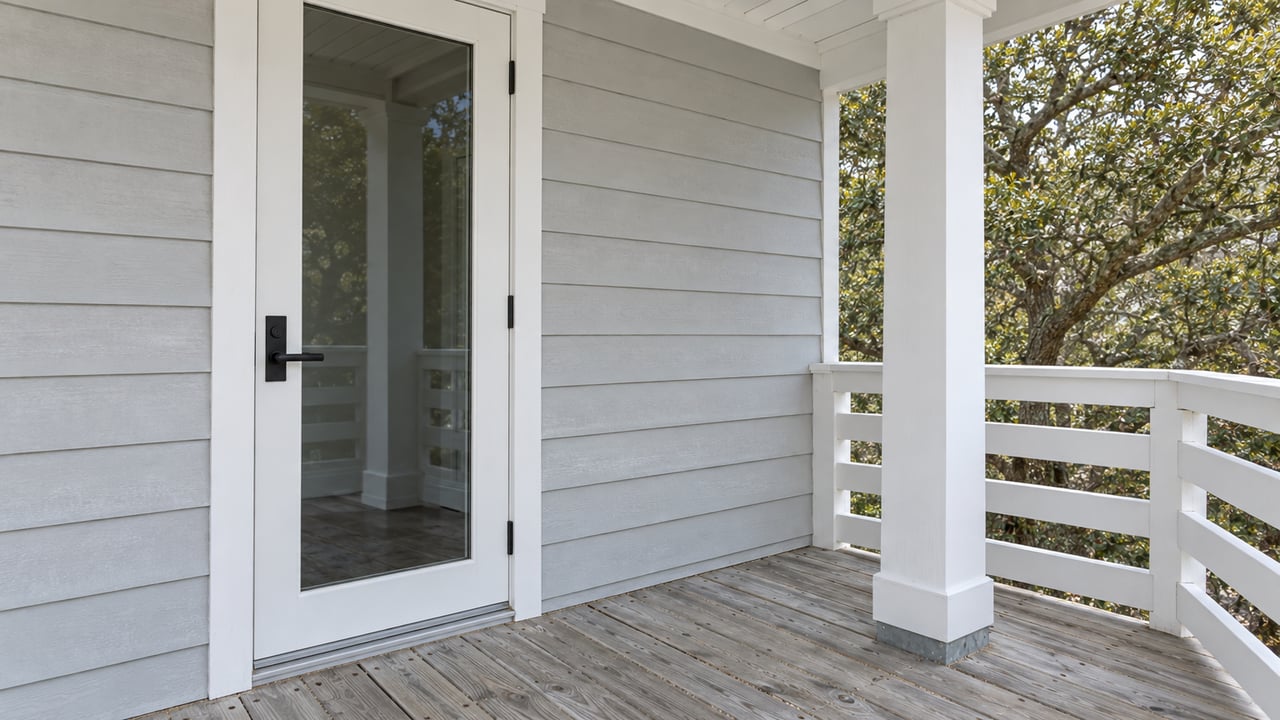
That is why it helps to do a careful walk-around before listing. Look closely at railings, fasteners, shutters, screens, trim, exterior doors, and exposed metal fixtures for rust, wear, or visible deterioration.
Small repairs can make a big difference in photos and showings. Replacing tarnished hardware, touching up worn paint, and cleaning weathered surfaces can help your home feel more maintained and lower-stress to a buyer.
If you have completed exterior projects or major updates, collect your paperwork early. The Town of Surfside Beach provides building and zoning permit forms for projects such as additions, accessory structures, pools, encroachment work, and signs, so it is worth pulling together final permits and inspection records for work already completed.
This step can save time later. If a buyer asks about a deck, storage structure, pool improvement, or other exterior change, you will be in a much better position if your documentation is ready.
Try to gather:
Flood information is a key part of preparing to list in Horry County. The county provides FEMA flood maps and a flood-hazard map application, and Horry County is an NFIP participant.
For sellers, the practical takeaway is simple. Pull your current flood zone, elevation information, and any flood-insurance or mitigation documentation early in the process so you are not scrambling for answers once buyers start asking questions.
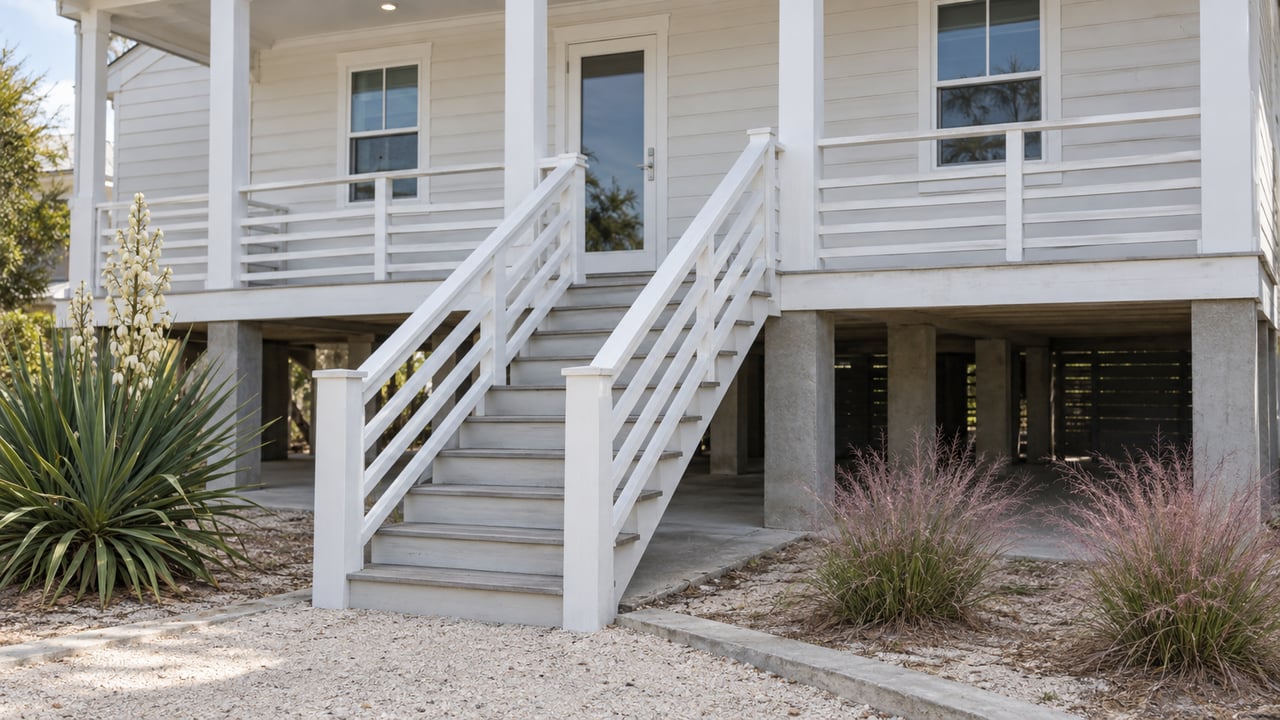
If your home has resilience features, organize those details now. Items like elevated utilities, improved drainage, flood-mitigation work, updated roofing, impact windows, or hurricane shutters can be valuable parts of your listing package when they are clearly documented.
South Carolina law requires many residential sellers to provide a written property condition disclosure before the contract is signed. The law also requires correction if you later discover a material inaccuracy.
This is one more reason to prepare early instead of rushing to market. When you gather records ahead of time, it becomes easier to complete disclosures carefully and respond to buyer questions with clear information.
These records can help:
The buyer still has an inspection obligation under South Carolina law, but organized records can help make the process smoother and more transparent.
In a beach market, timing matters. A practical approach is to complete major exterior work before Atlantic hurricane season, which officially runs from June 1 through November 30 and typically peaks from August through October.
That does not mean you cannot list during those months. It does mean you may want to handle roof work, exterior touch-ups, drainage fixes, and other weather-sensitive projects earlier when possible.
This can help reduce the risk of delays tied to storms, heavy humidity, or interrupted showings and photography. A cleaner pre-list window often makes the entire launch feel more controlled.
Once the condition and paperwork pieces are in place, shift your focus to presentation. In Surfside Beach, buyers often respond to homes that feel bright, dry, clean, and easy to maintain.
Start with the basics. Clear porch clutter, pressure-wash walkways, clean windows, trim landscaping, and make storage spaces feel intentional instead of overstuffed.
If your home has any visible dampness or odor, address that before photos or showings. In a coastal market, buyers tend to connect those issues with maintenance concerns, even when the fix may be simple.
Outdoor living is a major feature near the beach, so it should look ready to enjoy. If your property has a porch, deck, patio, outdoor shower, or useful storage for beach gear, make sure those spaces are clean and clearly presented.
If there is an easy path from the house to the beach or nearby community amenities, that can also be helpful to highlight in your marketing. Surfside Beach’s beach information notes 36 access points and 12 beach-area parking lots, making access and convenience meaningful parts of daily life here.
One of the best ways to market a Surfside Beach home is to stay specific and factual. Official town information supports themes like easy beach access, parking convenience, family-friendly beach amenities, and the town’s identity as “The Family Beach.”
That gives your listing a stronger local feel than generic phrases ever could. Buyers want to picture real day-to-day living, and location-specific details can help them do that.
A good listing strategy often highlights:
The best pre-list plan is not about doing everything. It is about doing the right things for your location, your property, and the questions coastal buyers are most likely to ask.
In Surfside Beach, that usually means focusing on moisture control, exterior condition, flood information, permits, disclosures, and presentation. When those pieces are handled before your home goes live, you are better positioned for pricing, marketing, and smoother conversations once interest starts building.
If you are thinking about selling in Surfside Beach, Jan and Dan Sitter | Coastal Beach Homes can help you prepare your home, organize the right details, and create a polished listing strategy built for the Grand Strand market.


When you hire Jan and Dan, you get a team of professional real estate agent diligently working together on your behalf. They are knowledgeable and experienced professionals you can trust to best represent your interests in our unique market.

JAN AND DAN SITTER | COASTAL BEACH HOMES
ADDRESS
9628 N KINGS HWY
MYRTLE BEACH SC 29572