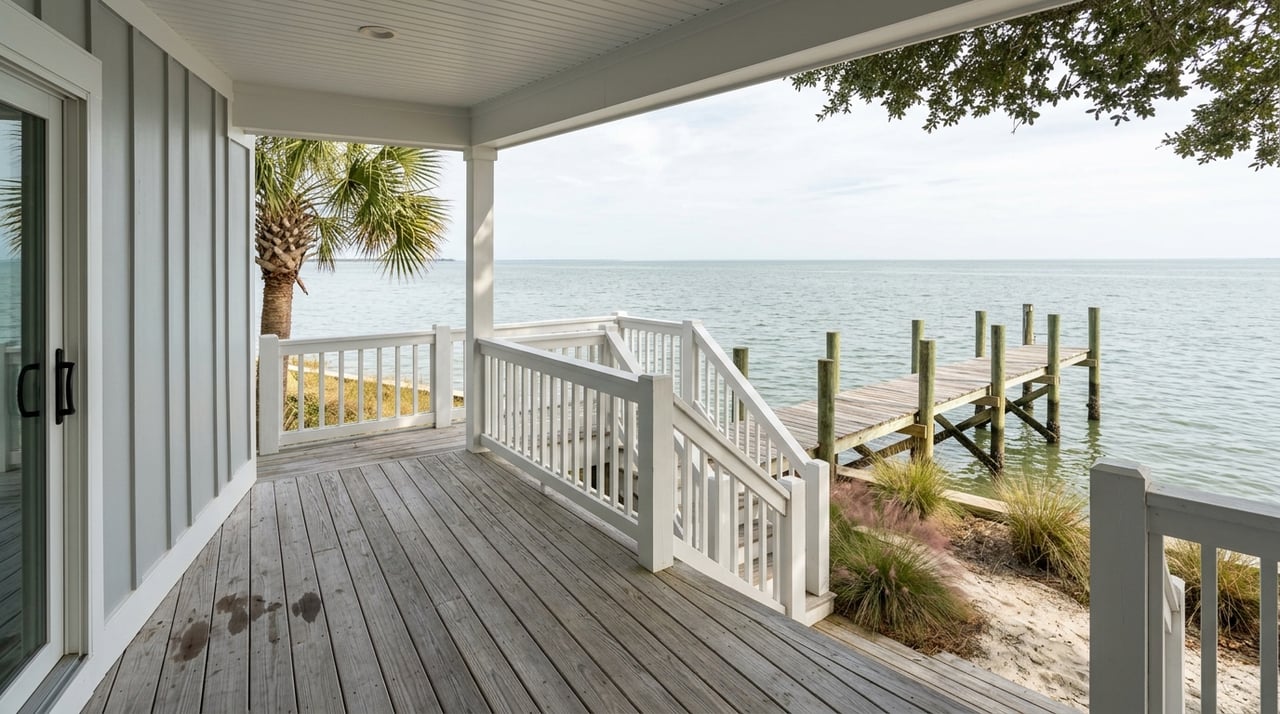
Buying A Marina-Oriented Home In Little River
Water access can be the feature that makes a Little River home feel like the right fit, but marina-oriented living is about more than a pretty view. If you want to keep a boat nearby, enjoy the Intracoastal Waterway, or simply live close to the action on the waterfront, you need to understand how docks, HOA rules, bridge traffic, and flood factors can affect daily life. This guide will help you sort through the options and ask smarter questions before you buy. Let’s dive in.
Little River stands out because its waterfront is shaped by the Atlantic Intracoastal Waterway, Little River Inlet, and the swing-bridge corridor. That means buyers often choose homes here based on how they access the water, not just the view from the porch.
Several marinas serve the area, and each offers a slightly different setup. Cricket Cove Marina sits on the ICW at mile marker 345, Lightkeepers Marina is at Coquina Harbour around mile marker 346, Myrtle Beach Yacht Club is also at Coquina Harbour, Harbourgate Marina is on Little River Neck Road, and Cherry Grove Marina is just north of the Little River Swing Bridge.
Those details matter because access patterns vary. Some marinas advertise no-bridge access to the inlet or ocean, while others offer wet slips, dry stack, fuel, floating docks, or onsite dining. If you plan to boat often, the difference between a quick launch and a more involved route can shape how much you enjoy the home.
Marina-oriented buyers in Little River usually compare three main property types. Each one offers a different mix of convenience, responsibility, and control.
Condos can be a strong option if you want low exterior maintenance and shared amenities. In South Carolina, condo communities operate under the Horizontal Property Act, which requires a recorded master deed and bylaws that explain common elements, voting, administration, and shared expenses.
That structure matters because your marina access may not be as simple as “comes with a dock.” You need to know whether a slip, walkway, or water access point is part of the common elements, a limited common element, or something handled through a separate marina agreement.
A nearby example is Yacht Club at Lightkeepers Village, where association amenities include pools, a clubhouse, tennis courts, trash service, water and sewer, and basic cable. For many buyers, that kind of setup is a fair trade for less yard work and more shared services.
Townhome and single-family HOA communities can offer a middle ground. You may get more private living space than a condo, while still benefiting from neighborhood maintenance and shared amenities.
South Carolina’s HOA framework places responsibility for common elements and maintenance with the association, and governing documents must be recorded in the county. In a marina-oriented setting, this is important because dock access, parking, storage, and boat-related restrictions often live in those documents.
If the neighborhood has a community dock, Horry County rules add another layer. A residential community dock must serve only residents, must be on commonly owned land or reached by easement, and cannot function as a rental marina.
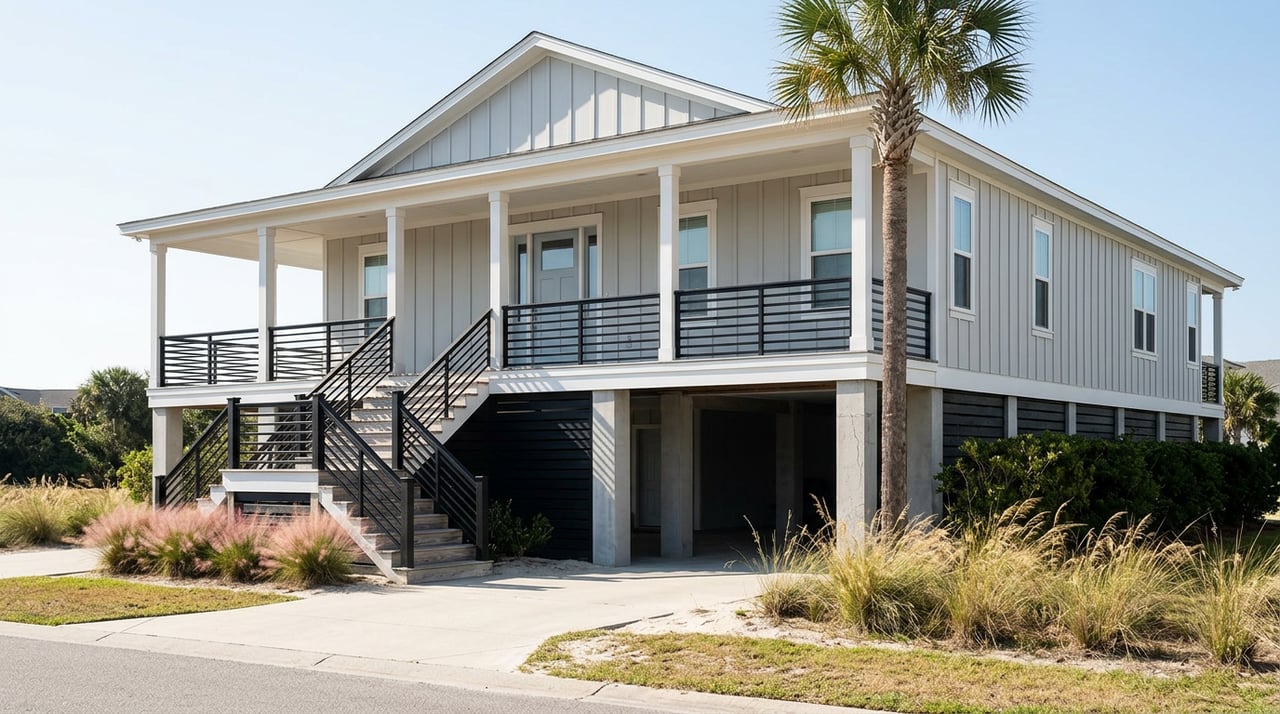
Detached homes usually appeal to buyers who want more privacy or more control over the property. Some come with private dock rights, while others are simply near the marina lifestyle without direct water access.
This option can give you flexibility, but it can also bring more due diligence. If you hope to add or change a dock, lift, seawall, or shoreline feature, state permitting may come into play, especially where marsh, tidal water, or navigable channels are involved.
One of the biggest mistakes buyers make is assuming “near the marina” means guaranteed boating convenience. In Little River, you should confirm exactly what kind of access comes with the property.
Start by asking whether the slip is resident-only, part of the HOA or condo common elements, a limited common element tied to one unit, or a separate arrangement with a marina. That distinction affects your rights, your costs, and your ability to use or transfer the access later.
Storage is another issue that deserves attention early. Horry County’s community-dock rules generally do not allow dry boat storage except in garages or approved amenity storage areas, so if you plan to keep a trailer or boat onsite, you need to verify the neighborhood rules before you move forward.
If you are buying in a condo or HOA community, the recorded documents deserve a close read before you make a final decision. In South Carolina, those documents often tell you more about your day-to-day ownership than a listing summary ever will.
Ask for the master deed, bylaws, HOA rules, and any amendments. Review them for fees, assessments, common elements, parking rules, guest use, boat storage, dock access, and amenity restrictions.
South Carolina also requires sellers to disclose whether a property is governed by an HOA on the residential property disclosure statement. That is helpful, but it is still your job to understand how the rules affect your plans for the property.
Little River’s waterfront energy is part of its appeal, but it also brings activity that inland buyers may not expect. The Little River Bridge over the ICW remains an important factor for both road travel and boat movement.
Under a Coast Guard final rule effective February 19, 2026, the bridge still opens on demand for navigation, but weekday rush-hour openings are scheduled to help reduce vehicle congestion. That change may improve traffic flow at certain times, but it does not remove the reality of a busy boating corridor.
Horry County’s comprehensive planning notes that the bridge can open for more than 2,000 boats per month during peak tourist season. If you are deciding between two addresses, it is worth asking how bridge openings, marina traffic, and seasonal events affect your daily routine.
Parking is another lifestyle detail that can become a bigger issue than expected. County zoning regulates parking requirements, and waterfront events like the Blue Crab Festival can increase demand for parking and guest flow in the area.
Marina living is not only about boating. It is also about the pace and feel of the surrounding waterfront environment.
In Little River, some of the background activity comes from fuel docks, restaurants, charter traffic, and festival weekends rather than dense nightlife. For many buyers, that is part of the charm. Still, it helps to visit at different times of day and during busier seasons so you can get a realistic feel for noise, traffic, and parking.
The area also offers outdoor recreation beyond the marina itself. Vereen Memorial Gardens has more than 115 acres along the ICW, with about 3 miles of trails and boardwalks, which adds another layer to the waterfront lifestyle.
In any coastal purchase, flood due diligence matters. In a marina-oriented area, it matters even more.
Horry County encourages buyers to check the FEMA flood map, whether the property is in a Special Flood Hazard Area or V Zone, local drainage conditions, and the evacuation zone. Those details can affect insurance, long-term planning, and your comfort level with the property.
If a home is in a high-risk flood area and you are using a government-backed mortgage, flood insurance is required. Even beyond lender requirements, understanding flood exposure early helps you compare properties more clearly and avoid surprises later.
A marina-oriented home can be a great match, but only if the setup fits how you actually plan to live. Before you buy, focus on practical questions like these:
The best marina-oriented home in Little River usually depends on how often you will use the water and how much complexity you are comfortable managing. If you boat often, direct marina access or no-bridge access may be a priority. If you want low maintenance, a condo or townhome with shared amenities may make more sense. If you want more control, a detached home may be worth the extra due diligence.
What matters most is matching the property to your real lifestyle, not just the dream version of waterfront living. When you understand the marina setup, governing documents, parking realities, flood considerations, and future permit issues, you can buy with a lot more confidence.
If you are exploring marina-oriented homes in Little River, working with local guides who understand the Grand Strand can make the process much easier. Reach out to Jan and Dan Sitter | Coastal Beach Homes for practical insight, hands-on support, and help finding the right waterfront fit.
When you hire Jan and Dan, you get a team of professional real estate agent diligently working together on your behalf. They are knowledgeable and experienced professionals you can trust to best represent your interests in our unique market.

JAN AND DAN SITTER | COASTAL BEACH HOMES
ADDRESS
9628 N KINGS HWY
MYRTLE BEACH SC 29572