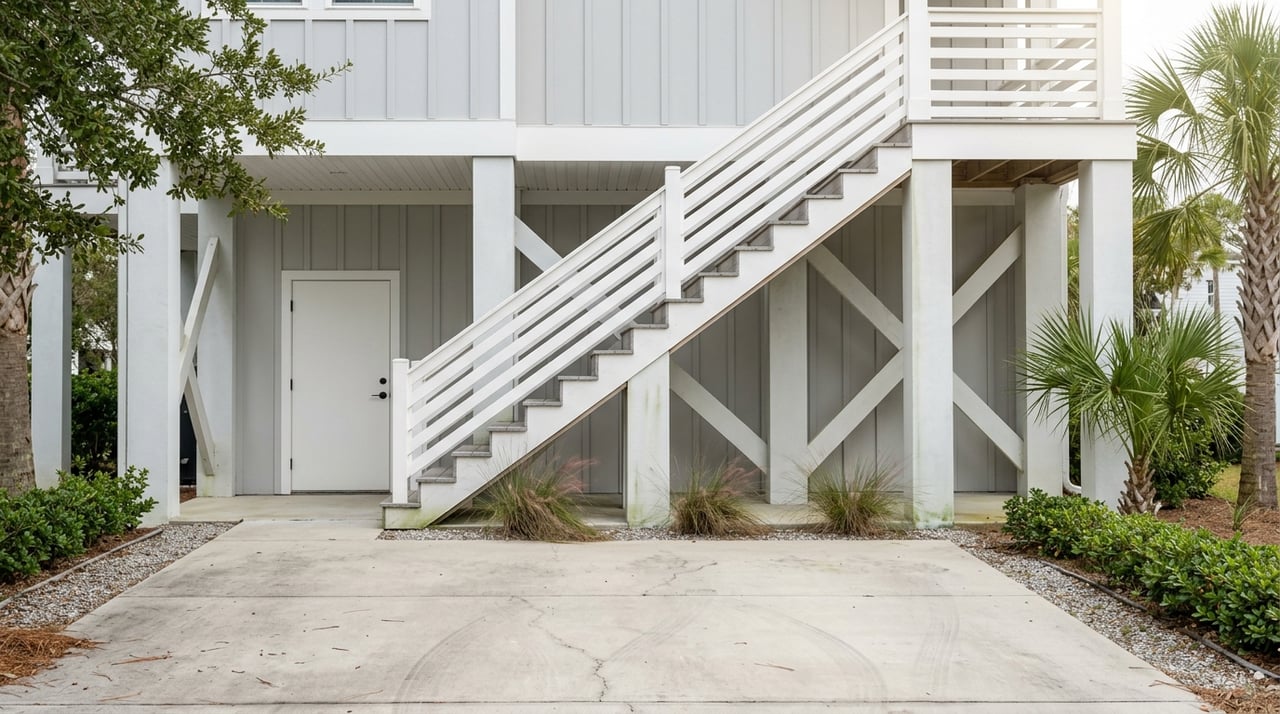
Sell Your Conway Home Or Rent It Out?
Wondering whether you should cash out your Conway home or keep it as a rental? It is a common question, especially when the market feels slower and you want to make the smartest move for your finances. The right answer depends on your goals, your numbers, and how comfortable you are with the responsibilities that come with renting. Let’s break down what Conway homeowners should consider right now.
If you are thinking about selling, today’s Conway market suggests you may need patience. CCAR’s March 2026 update for ZIP codes 29526 and 29527 shows a year-to-date single-family median sales price of $305,990, which is down 0.6% from the same period in 2025.
That same CCAR report shows 144 days on market year to date and 803 homes for sale. In plain terms, that means more competition and longer wait times for sellers than many owners would prefer.
Other data points tell a similar story. Redfin reports a Conway median sale price of $274,848 in April 2026, with homes taking 136 days on market, selling for 97.4% of list price, and seeing price drops on 35.5% of listings.
Zillow shows an average Conway home value of $286,470, down 0.8% year over year. These numbers are not identical because the sources use different methods and timeframes, but together they point to a market where pricing strategy matters.
Selling can make sense if you want to turn your equity into cash, reduce stress, or move on from the property without taking on landlord duties. If you do not want to deal with repairs, tenant communication, lease terms, vacancy periods, or ongoing upkeep, selling may feel cleaner and simpler.
A slower market can make this decision more time-sensitive. If homes are taking four months or longer to sell, your carrying costs can continue while you wait for the right buyer.
Those carrying costs may include your mortgage, utilities, insurance, HOA dues, and maintenance. If your home also needs updates to compete with other listings, your net proceeds may be lower than you first expected.
You may want to lean toward selling if:
Renting may be worth considering if your home can produce solid monthly cash flow and you want to keep the property long term. Zillow’s April 2026 Conway rental data shows an average rent of $1,637 per month, which gives homeowners a useful starting point.
Using Zillow’s average home value and rent, the rough gross annual yield comes out to about 6.9% before expenses. That can look appealing at first glance, but gross yield is only a screening tool. It does not tell you what you will actually keep.
Your true return depends on all the costs that come out of that rent. Mortgage payments, property taxes, insurance, HOA dues, repairs, maintenance, vacancies, and possible management fees can reduce your net income quickly.
You may want to lean toward renting if:
One of the biggest math changes happens when an owner-occupied home becomes a rental. In Horry County, legal residence generally refers to the special 4% assessment for owner-occupied homes.
According to Horry County and the South Carolina Revenue and Fiscal Affairs Office, commercial and rental real property is assessed at 6%. That means your property tax treatment may change if you stop using the home as your legal residence.
Horry County also says owners must notify the Assessor of use changes within six months. If the property does not qualify for legal residence, the county states that the 6% assessment applies automatically.
This matters because a rental that looks profitable on paper can feel very different once higher property taxes are included. Before you rent, make sure you account for this change in your monthly numbers.
If you are considering renting, it is important to decide what kind of rental you mean. A long-term lease and a short-term or seasonal rental can involve very different costs and rules.
South Carolina says accommodations rented for less than 90 consecutive days can be subject to accommodations tax. Rentals of 90 continuous days to the same person are excluded.
Horry County also says short-term or transient accommodations are subject to the county Hospitality Fee. Long-term accommodation rentals of 90 consecutive days at the same location to the same patron do not require collection and remittance of that fee.
Horry County states that the Hospitality Fee rate is:
The county also says businesses inside city limits must register with their local municipality. That is a key detail if you are exploring short-term rental use inside Conway.
The City of Conway’s Unified Development Ordinance says commercial short-term rentals must obtain a City of Conway business license. The ordinance also states that these rentals are subject to applicable taxes, local code requirements, and zoning or use limitations.
That means a short-term rental is not just a simple side option you can turn on whenever you want. It may require more compliance work than a standard long-term lease.
For many homeowners, this is where the decision becomes clearer. If you want a more hands-off path, long-term renting or selling may be more realistic than running a short-term rental.
The most useful way to decide is to compare net sale proceeds with a conservative rental pro forma. This helps you move beyond guesswork.
For the sale side, estimate your likely sale price based on current Conway conditions. Then subtract mortgage payoff, closing costs, any needed repairs or prep work, and your carrying costs during time on market.
For the rental side, start with realistic monthly rent. Then subtract mortgage, taxes, insurance, HOA dues, maintenance, vacancy allowance, repairs, and any management costs.
Ask yourself these questions:
In today’s Conway market, there is no one-size-fits-all answer. Selling may make more sense if you want simplicity, need cash, or do not want to take on landlord responsibilities in a slower market.
Renting may make more sense if your numbers stay strong after expenses and you want to keep the property for the long term. The key is to use conservative assumptions, not best-case guesses.
If you are weighing both options, local guidance can make a big difference. For help reviewing your Conway home’s likely sale position and talking through your next move, reach out to Jan and Dan Sitter | Coastal Beach Homes.
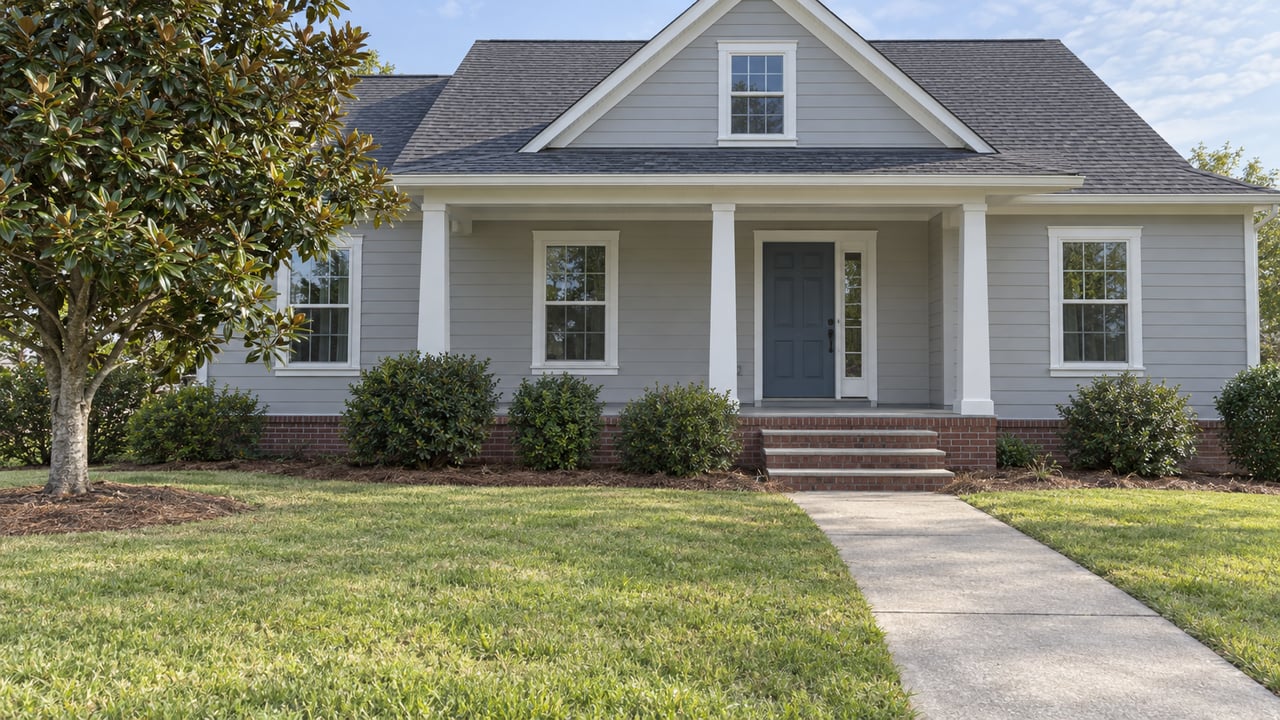

When you hire Jan and Dan, you get a team of professional real estate agent diligently working together on your behalf. They are knowledgeable and experienced professionals you can trust to best represent your interests in our unique market.

JAN AND DAN SITTER | COASTAL BEACH HOMES
ADDRESS
9628 N KINGS HWY
MYRTLE BEACH SC 29572