Planning To Sell Your Carolina Forest Home? Start Here
If you are planning to sell your Carolina Forest home, the first few decisions you make can have a real impact on your results. In a market that is no longer moving at a frenzy, you need more than a rough online estimate and a weekend cleanup. You need a plan built around local pricing, strong presentation, and the kind of marketing that helps your home stand out. Let’s dive in.
Carolina Forest is not a one-size-fits-all market. It is a large master-planned community in unincorporated Horry County that spans about 15 square miles and includes 26 major neighborhoods, according to Horry County planning information. That size alone is a good reason to avoid broad pricing shortcuts.
The area has also grown along with the county. U.S. Census QuickFacts referenced by Horry County show Horry County reached an estimated 427,551 residents in July 2025, up 21.8% from 2020. More people in the region can support buyer demand, but it does not mean every Carolina Forest home will attract multiple offers right away.
Recent market snapshots suggest a more balanced environment. Realtor.com’s Carolina Forest market page reported 276 active listings, a median listing price of $335,000, median days on market of 58, and a 99% sale-to-list ratio in February 2026. The same page also noted that homes sold for an average of 1.44% below asking, which points to a market where negotiation is common.
One of the biggest mistakes sellers make is leaning too hard on a broad area average. Carolina Forest includes very different housing types, HOA settings, ages of homes, and buyer expectations. That means your home should be priced against the most relevant recent sales, not against a countywide headline.
This is especially important because pricing across nearby subareas varies widely. On the same Carolina Forest market page, median listing prices ranged from $199,000 in RidgeWood Plantation to $1.394 million in Grande Dunes, and zip-level medians also varied significantly. That spread shows why a general Carolina Forest number can hide the details that matter most to your specific home.
If you are also competing with newer homes or nearby new construction, pricing becomes even more important. Buyers often compare monthly payment, condition, and convenience side by side. A smart pricing strategy helps you stay competitive without giving away value.
Many sellers ask when they should list. Timing matters, but it works best when it supports the bigger picture of pricing and preparation.
According to Realtor.com’s 2026 Best Time to Sell report, the best week to list nationally is April 12 to 18, 2026. The report also says homes listed during that window have historically earned more views and sold faster, and that sellers in the South may benefit more from timing because inventory is more abundant.
That said, timing does not fix overpricing or weak presentation. The same report found that 53% of sellers take one month or less to get ready. If you want to sell in spring, it is smart to start planning well before your ideal listing date so you can handle repairs, staging, photos, and pricing with less stress.
Before you spend money, think about what helps your home show better right now. In many cases, buyer-facing improvements do more for marketability than large renovation projects.
The National Association of Realtors 2025 staging report found that 29% of agents said staging increased the dollar value offered by 1% to 10%. The same report found that 49% said staging reduced time on market. Those numbers support a prep strategy that starts with condition and presentation first.
The most common seller recommendations in that report were:
Those steps are practical, visible, and often more cost-effective than taking on major remodels before listing. If a repair affects how the home photographs, shows, or feels during a tour, it is usually worth a close look.
Not every room carries equal weight when buyers walk through a home or scroll online. If you are prioritizing your time and budget, focus on the rooms buyers tend to remember most.
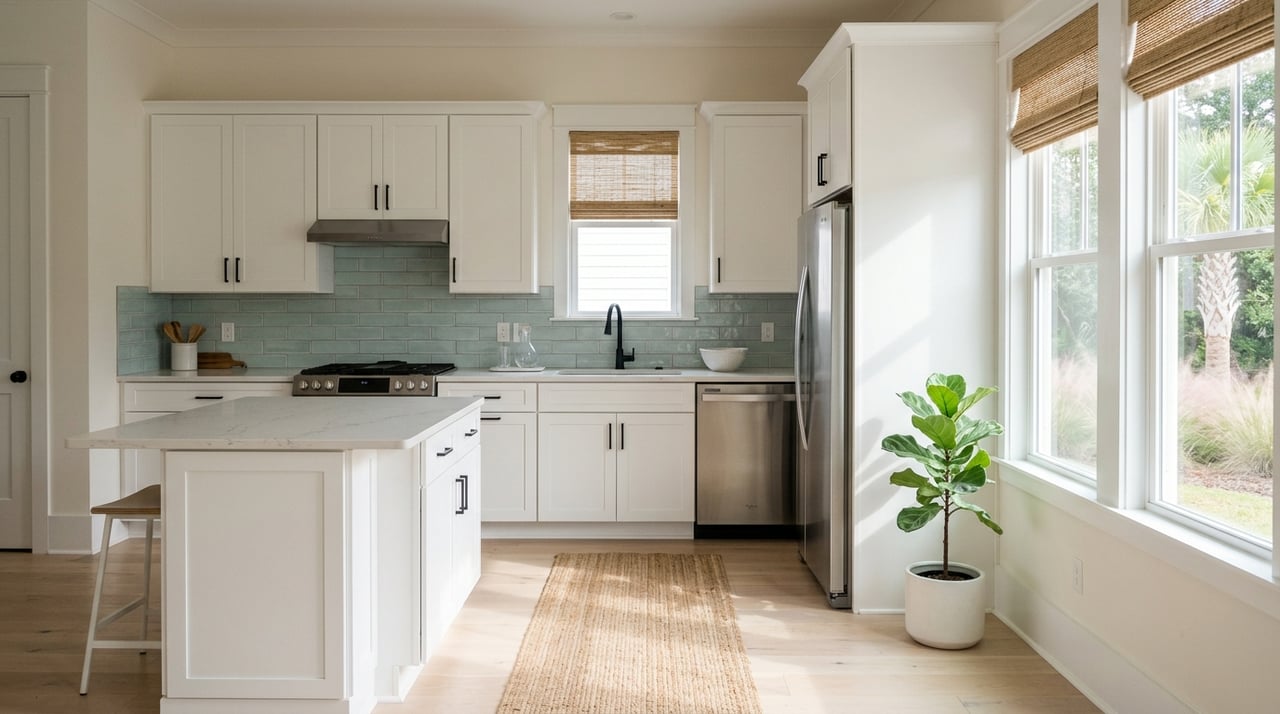
According to the same NAR staging report, the most important rooms to stage are the living room, primary bedroom, and kitchen. Those spaces often shape the first impression of comfort, function, and overall upkeep.
For many Carolina Forest sellers, that can mean:
You do not need to make your home look generic. You just want buyers to picture themselves living there with as few distractions as possible.
Today’s buyers usually see your home online before they ever step inside. That means digital presentation is not optional. It is central to your sale.
The NAR staging report found that buyers’ agents rated listing photos as highly important, followed by physical staging, videos, and virtual tours. In other words, your home needs to look strong both in person and on a screen.
Marketing reach matters too. CCAR consumer guidance notes that agents may use the MLS to market a property, and NAR data cited there shows that 88% of buyers purchased through a real estate agent or broker while all buyers used the internet in their home search. NAR seller data also found that 86% of agent-marketed homes were listed on an MLS website.
That is why a solid listing plan should include a full package, such as:
Buyers are not only comparing square footage and finishes. They are also weighing how a home fits their day-to-day life. That is especially true in a large community like Carolina Forest.
Visit Myrtle Beach describes Carolina Forest as one of the fastest-growing communities along the Grand Strand and notes local access to golf, shopping, and outdoor amenities. These lifestyle points can help shape how your listing is positioned, especially for relocators and out-of-area buyers who may not know the area well.
School information can also affect buyer research. Horry County Schools says the district has 58 schools, more than 47,000 students, and is the third-largest district in South Carolina. The district also noted attendance-line changes tied to the opening of Pine Island and Ten Oaks elementary schools by August 2025, which may affect some Carolina Forest neighborhoods.
When your home is marketed, the goal is to use neutral, factual details. That can include nearby amenities, commute convenience, district information from official sources, and neighborhood features that help buyers understand the property’s setting.
If you want to sell with less guesswork, it helps to break the process into manageable steps. A clear plan can keep you from rushing into the market before your home is fully ready.
Here is a strong starting checklist for Carolina Forest sellers:
This type of strategy fits today’s Carolina Forest market well. With homes often selling slightly below asking and taking time to move, a polished launch can help you protect both price and momentum.
Because Carolina Forest is so varied, local context matters at every stage. Pricing a townhome, a newer single-family home, or a property in a different HOA setting the same way can lead to the wrong expectations.
That is where hyperlocal guidance can make a difference. A hands-on team that understands neighborhood patterns, buyer behavior, and MLS-driven marketing can help you decide what to fix, how to price, and how to position your home to the right audience.
If you are getting ready to sell in Carolina Forest, working with a team that combines neighborhood knowledge with modern digital exposure can simplify the process from start to finish. When you are ready to talk through timing, pricing, and preparation, connect with Jan and Dan Sitter | Coastal Beach Homes.
When you hire Jan and Dan, you get a team of professional real estate agent diligently working together on your behalf. They are knowledgeable and experienced professionals you can trust to best represent your interests in our unique market.

JAN AND DAN SITTER | COASTAL BEACH HOMES
ADDRESS
9628 N KINGS HWY
MYRTLE BEACH SC 29572