Staging And Marketing A Home In The Market Common
If you are selling a home in The Market Common, you are not just listing square footage. You are selling a lifestyle built around walkability, front porches, parks, dining, and a polished neighborhood setting in Myrtle Beach. When your staging and marketing match that lifestyle, buyers can picture themselves there faster and respond with more confidence. Let’s dive in.
The first thing to get right is the location itself. The Market Common is in Myrtle Beach, not Surfside Beach proper, even though many buyers searching the southern Grand Strand will consider both areas during their home search. According to the official Market Common site, the district sits on the former Myrtle Beach Air Force Base site and has grown into a walkable mixed-use community with homes, shopping, dining, entertainment, parks, and gathering spaces.
That matters because buyers are often choosing more than a house here. They are comparing how a specific home connects to the neighborhood experience, whether that means being close to restaurants, near a park, or set on a quieter street with a more private feel. Strong staging and smart marketing should help buyers understand both the home and its position within the district.
Staging works best when it helps buyers see how daily life will feel in a space. The National Association of Realtors reported in its 2025 staging report that 29% of agents saw a 1% to 10% increase in offered value after staging, and 49% saw faster sales. In the same report, the most commonly staged rooms were the living room, primary bedroom, kitchen, and dining room.
In The Market Common, those spaces still matter, but the presentation should go one step further. Your home should feel easy, comfortable, and connected to the neighborhood’s pedestrian-friendly design. That means highlighting the areas that support everyday living, relaxed entertaining, and flexible use.
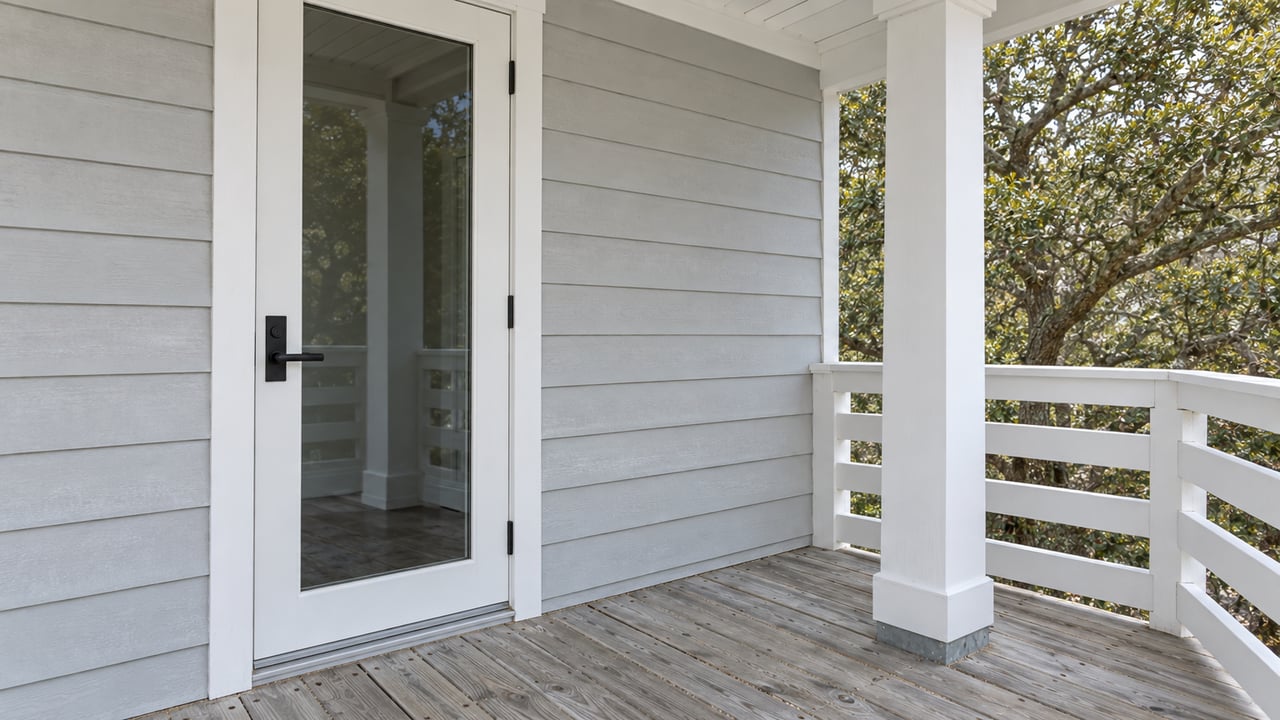
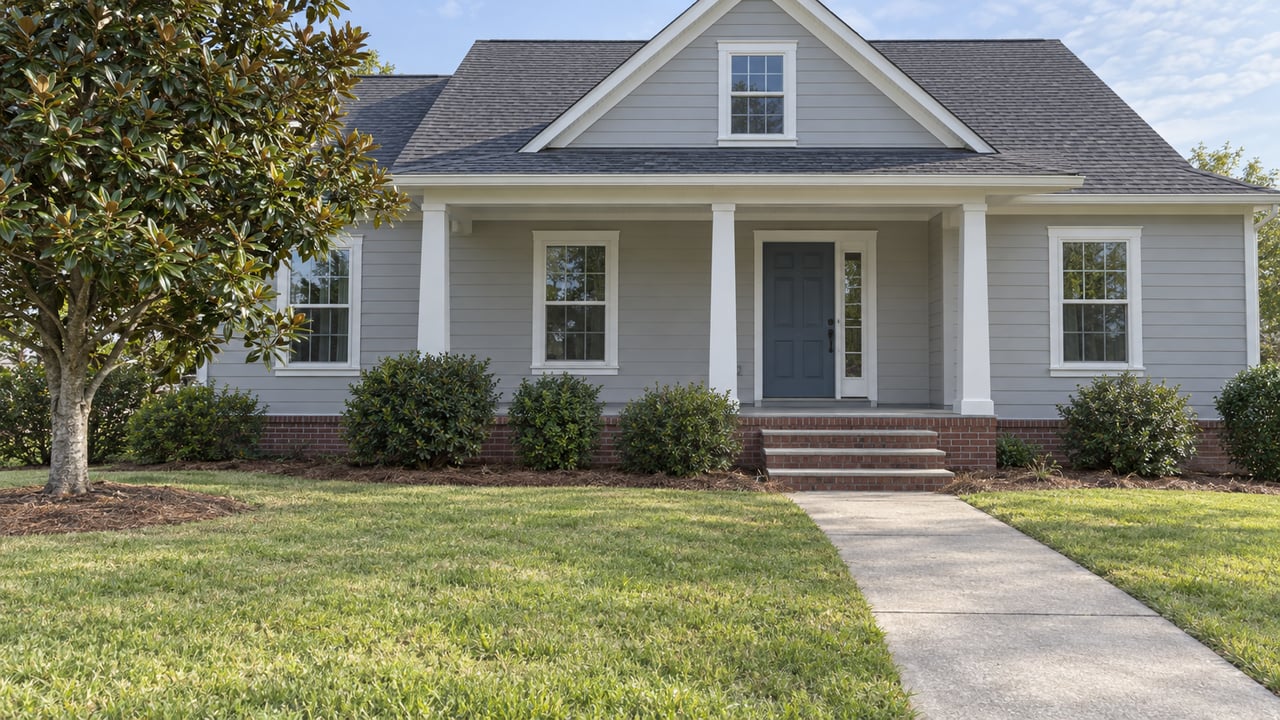
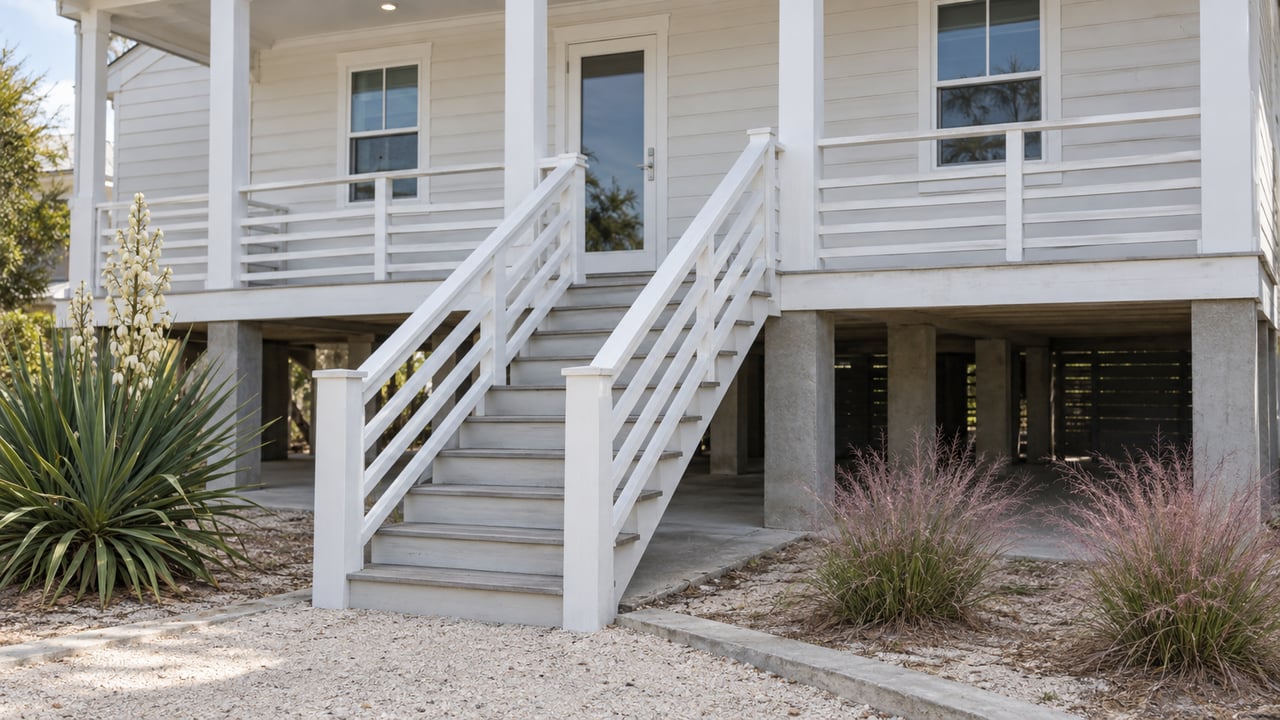
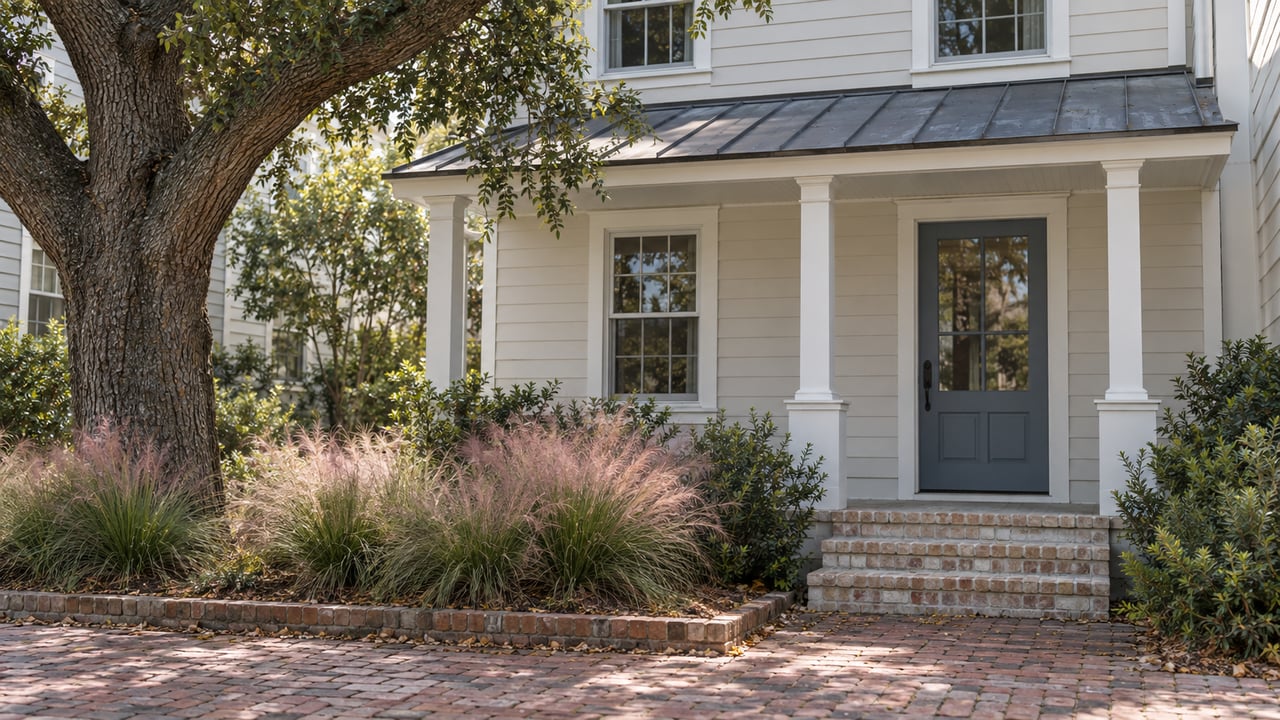
The neighborhood is known for traditional architecture, front porches, and streetscapes that invite walking and lingering, as noted on the district website. Because of that, exterior presentation carries extra weight. Buyers may notice the front entry, porch, and curb appeal before they ever decide how they feel about the interior.
NAR found that the most common seller recommendations were decluttering, deep cleaning, and improving curb appeal. Those basics are not optional here. They are the foundation for everything else.
A simple prep list can make a big difference:
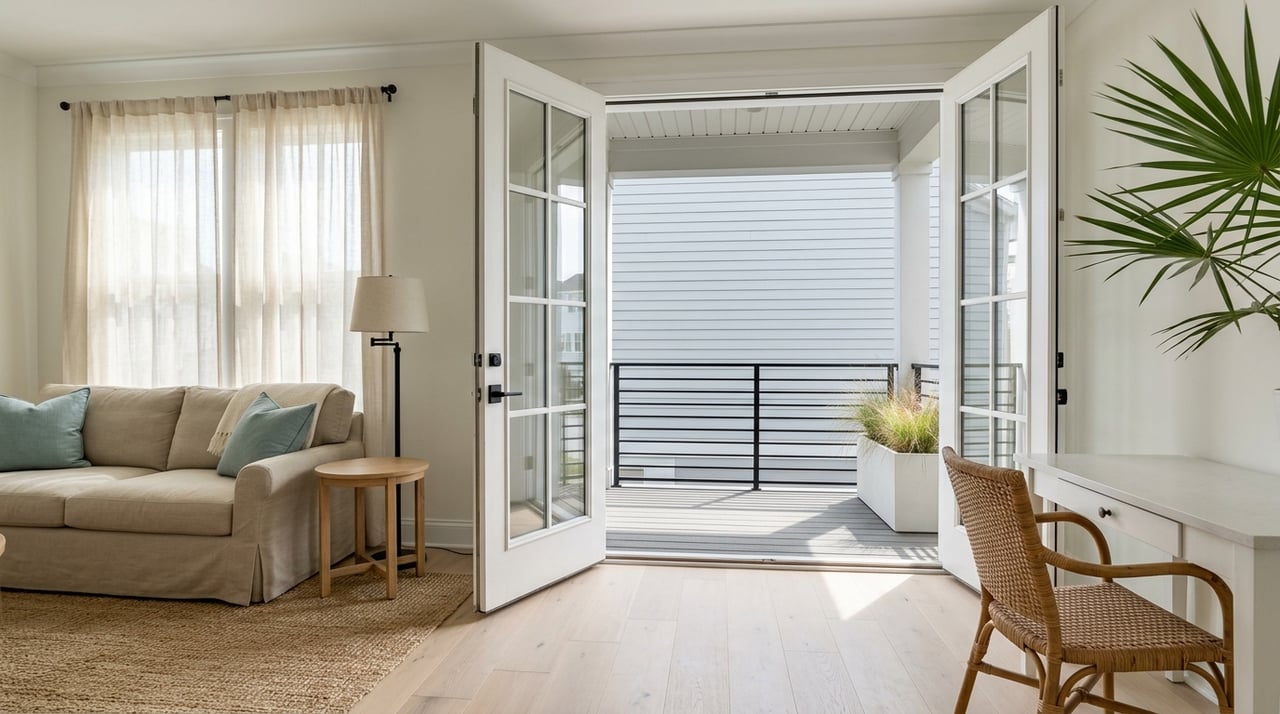
In The Market Common, outdoor living is part of the appeal. The area promotes a walkable setting with parks, fountains, seating areas, and gathering spaces, according to the official neighborhood overview. If your home has a front porch, patio, balcony, or small yard, that space should feel like a true extension of the home.
Even a compact outdoor area can photograph well and influence a buyer’s impression. A pair of chairs, a small table, and clean, open sightlines can help buyers imagine morning coffee, evening conversation, or a low-maintenance outdoor routine. That kind of visual story fits the neighborhood and helps your listing stand out.
Today’s buyers often want rooms that can do more than one job. NAR’s guidance on maximizing online visibility notes that flexible spaces matter, especially for home office or guest use. If your home has a loft, bonus room, or spare bedroom, do not leave it empty or vague.
Instead, give it a clear purpose. Stage it as a home office, guest room, reading room, or hobby space so buyers understand the function right away. Clarity helps online shoppers move from browsing to booking a showing.
Not every home in The Market Common should be marketed the same way. The residential mix includes both single-family homes and townhomes, with different layouts, outdoor features, and levels of privacy, as shown on the community site. Your staging should match what buyers are most likely to value in that specific type of home.
With townhomes, the strongest message is often ease and efficiency. Buyers may respond to a layout that feels organized, low-fuss, and easy to maintain. If storage is strong, if parking is convenient, or if a small balcony or patio adds usable outdoor space, those features should be visible and easy to understand.
Use furniture that fits the scale of the rooms. Avoid oversized pieces that make walkways feel tight. The goal is to show that the home lives comfortably and functions well.
Single-family homes often have more opportunity to emphasize porch living, indoor-outdoor flow, and private outdoor space. If the home backs to water, sits near green space, or offers a particularly inviting porch, that should be central to the marketing plan. Buyers want to understand what feels special about this address compared with others in the district.
A clean sightline from entry to living space, then out toward a porch or patio, can help reinforce that connection. In person and online, that flow can make the home feel larger and more memorable.
Most buyers will see your home online before they ever step inside. NAR’s 2025 Generational Trends report found that 51% of buyers found the home they purchased on the internet. Among internet-using buyers, photos were the most useful listing feature at 83%, followed by detailed property information at 79%, virtual tours at 41%, neighborhood information at 35%, interactive maps at 30%, and videos at 29%.
That tells you something important. Great marketing for a Market Common home should start with excellent visuals, then support those visuals with specific, helpful information.
Your first photos matter the most. NAR recommends putting the most compelling images first and not burying outdoor spaces at the end of the gallery. For a home in The Market Common, that often means starting with the curb appeal shot, then a front porch, patio, or balcony, followed by the main living area, kitchen, primary suite, and any standout flex space.
If your home is close to neighborhood attractions, a few lifestyle images can also help support the story. The Market Common highlights amenities like Grand Park, Valor Park, and Savannah’s Playground as key parts of the area. If your address benefits from easy access to one of those places, that context can be helpful when presented accurately.
Generic listing copy gets ignored. Buyers want practical details, especially in a neighborhood where homes can feel very different from one block to the next. Strong MLS remarks should quickly answer the questions buyers are already asking.
Start with details like:
This kind of detail aligns with what buyers say they value online, especially neighborhood information and detailed property information.
One challenge in The Market Common is that the district continues to evolve. A 2024 Myrtle Beach council packet outlines a revised MarketWalk plan with 192 residential units, commercial space, sidewalks, and shared amenities. That means your resale home may compete not only with other existing listings, but also with new or planned options inside the same broader district.
That is why clear positioning matters. If your home is move-in ready, has better finishes, a more functional layout, stronger storage, a better porch, or a more appealing location within the neighborhood, those points should be front and center. Buyers need a reason to understand why your home deserves a closer look.
In The Market Common, location inside the district can shape buyer interest almost as much as the home itself. Some buyers want to be close to the center for easy walks to dining and entertainment. Others prefer a quieter pocket, a water view, or a home near parks and open green space.
The community includes shops, restaurants, entertainment, residential streets, and public gathering spaces, according to the official site. Your marketing should explain where your home fits into that mix in clear, factual language. The more precisely buyers can picture the setting, the more likely they are to see the value.
Even though The Market Common is located in Myrtle Beach, many buyers searching across Surfside Beach, Garden City, Murrells Inlet, and the wider Grand Strand compare communities side by side. That means your listing may appear in searches viewed by local movers, retirees, second-home buyers, and out-of-area buyers who care deeply about convenience and lifestyle.
A polished launch can help your home compete with all of those choices. When the staging is clean and intentional, the photos tell the right story, and the listing copy answers real questions, buyers can connect with the property faster and more confidently.
If you are preparing to sell in The Market Common or anywhere along the Grand Strand, working with a team that understands both neighborhood positioning and digital presentation can make the process much smoother. To talk through pricing, preparation, and a custom listing strategy, connect with Jan and Dan Sitter | Coastal Beach Homes.

When you hire Jan and Dan, you get a team of professional real estate agent diligently working together on your behalf. They are knowledgeable and experienced professionals you can trust to best represent your interests in our unique market.

JAN AND DAN SITTER | COASTAL BEACH HOMES
ADDRESS
9628 N KINGS HWY
MYRTLE BEACH SC 29572