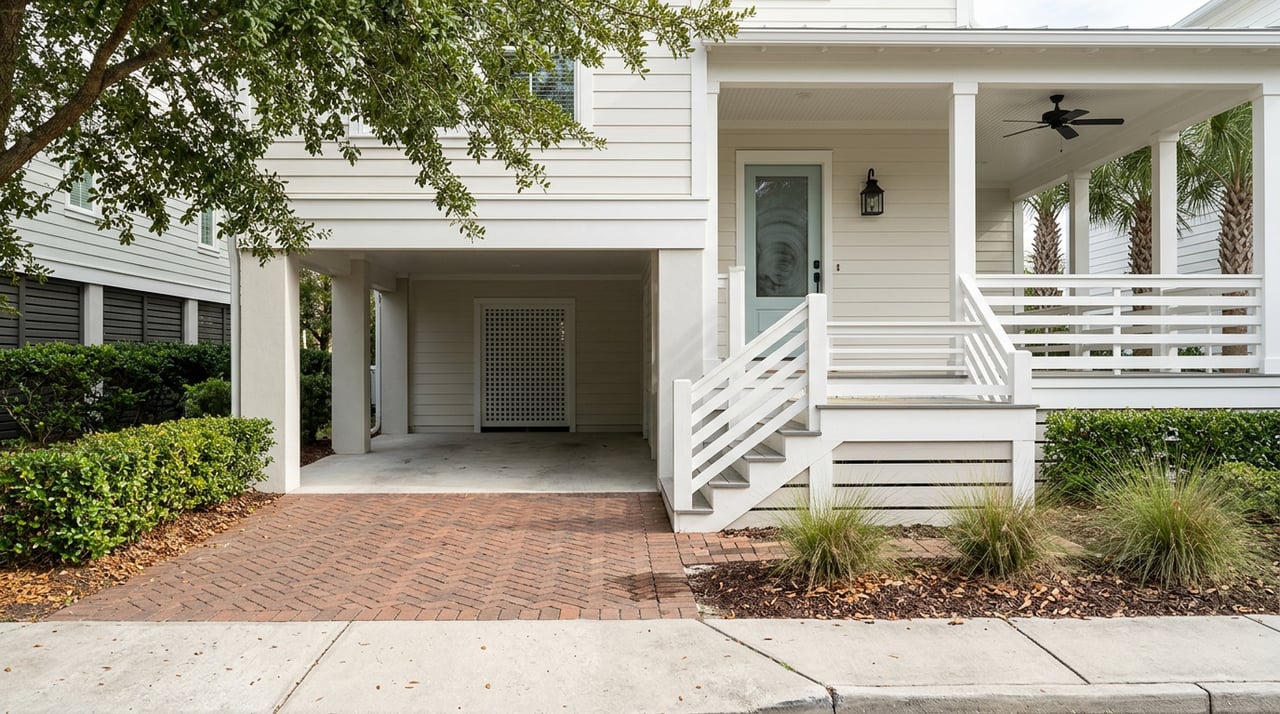
Conway Historic vs New Homes: How to Choose
Torn between Conway’s storybook Riverwalk setting and the comfort of a newer neighborhood with modern systems and amenities? You’re not alone. Many buyers love the charm and walkability of historic downtown, yet also want the space, warranties, and easy driving access you find in today’s subdivisions. In this guide, you’ll see a clear, side‑by‑side look at what life feels like in each area, the practical maintenance and risk checks to run, and how to decide which fit is right for you. Let’s dive in.
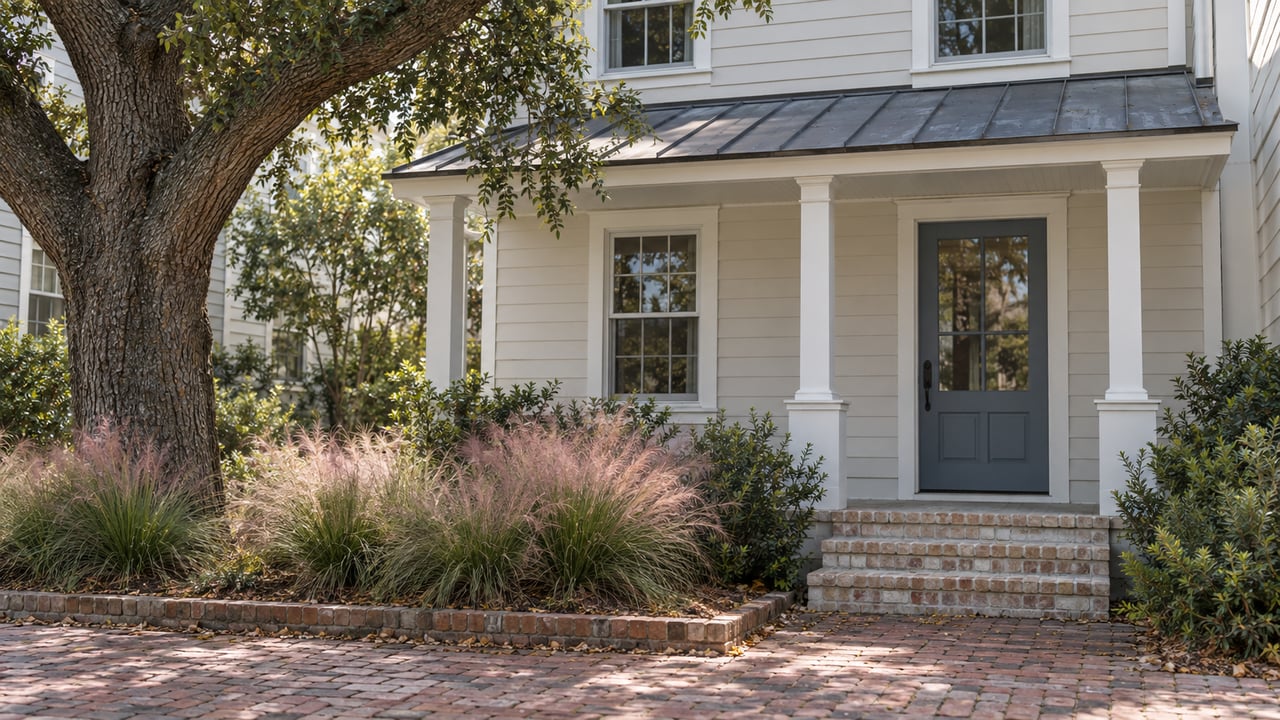
Historic downtown Conway centers on the Waccamaw River and the Riverwalk, with a compact scale that makes daily life feel close and connected. The Conway Downtown Historic District is listed on the National Register of Historic Places and includes commercial blocks and nearby residential streets with structures dating from the 1820s through the mid‑20th century. You’ll see 1–2 story brick storefronts on Main Street and older homes with Victorian and Revival influences that give the area its unique character. You can read more in the state’s historic register summary for the district’s boundaries and building types in the Conway Downtown Historic District listing.
Downtown lots are typically smaller with shallow front setbacks and closer spacing between homes. On‑street parking is common. The tradeoff is everyday walkability. You can step out your door and be on the Conway Riverwalk within minutes, with easy access to dining, small retailers, and civic events. If you like evening strolls by the water and quick errands on foot, this area delivers that lifestyle.
Many downtown homes predate modern electrical, plumbing, and insulation standards. If you’re considering a pre‑1978 property, plan for federal lead‑paint disclosure and follow the EPA’s Renovation, Repair and Painting guidance for any work you take on. The EPA offers a helpful primer on lead safety in older homes.
Termites are an active concern across coastal South Carolina, and older wood‑frame homes near tidal waters can have elevated moisture and rot risks. Always order a WDI (wood‑destroying insect) inspection, review any existing termite warranties, and budget for ongoing protection. Learn more about South Carolina termite pressure from Orkin’s termite overview.
The Waccamaw River has produced major flooding during past storm events, including high‑water crests during hurricanes such as Florence and Matthew. If you’re evaluating a river‑adjacent address, confirm FEMA flood zones, request an elevation certificate, and secure flood‑insurance quotes early. For context on storm impacts, see this overview of major flood events tied to recent hurricanes. To check parcel‑level flood zones, use the FEMA Flood Map Service Center.
National Register listing recognizes significance. It does not automatically impose binding restrictions on private owners unless public funds or permits are involved. Local rules can vary, so always ask the seller, your agent, and City Planning whether a specific property sits inside a local historic overlay and whether a certificate or design‑review approval is required for exterior work. The state register summary for downtown Conway is a helpful background resource while you verify local requirements.
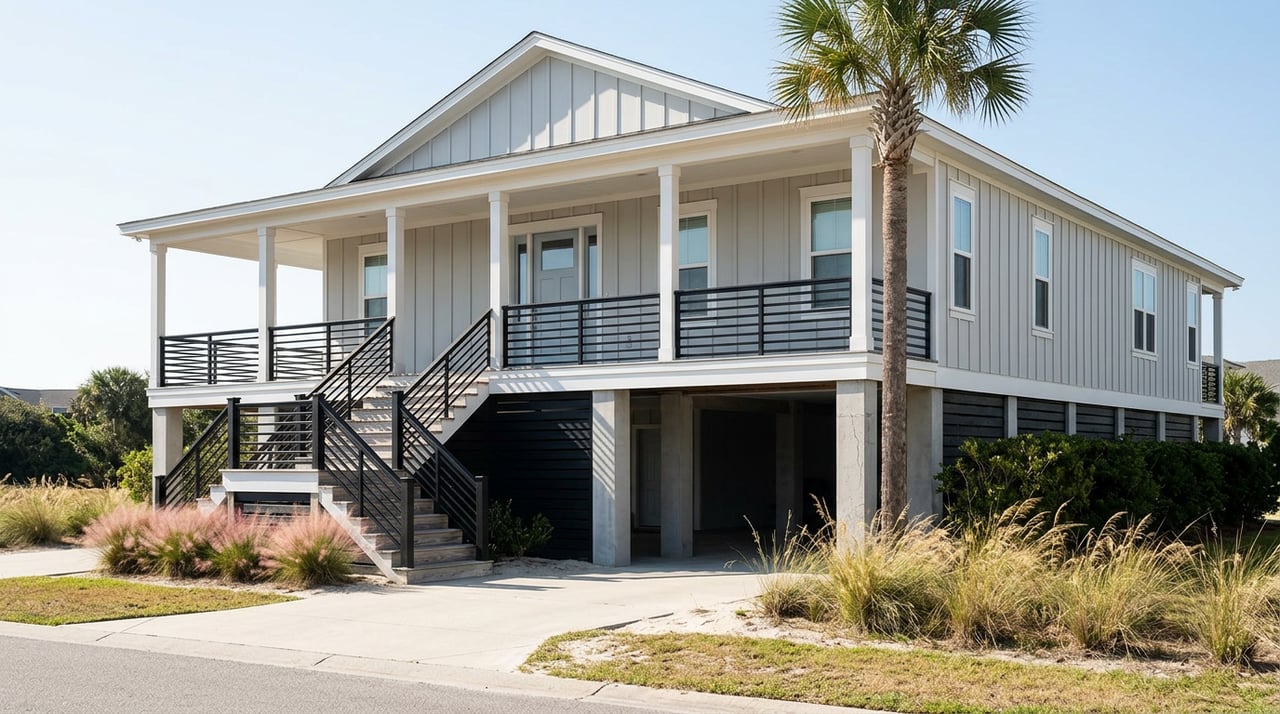
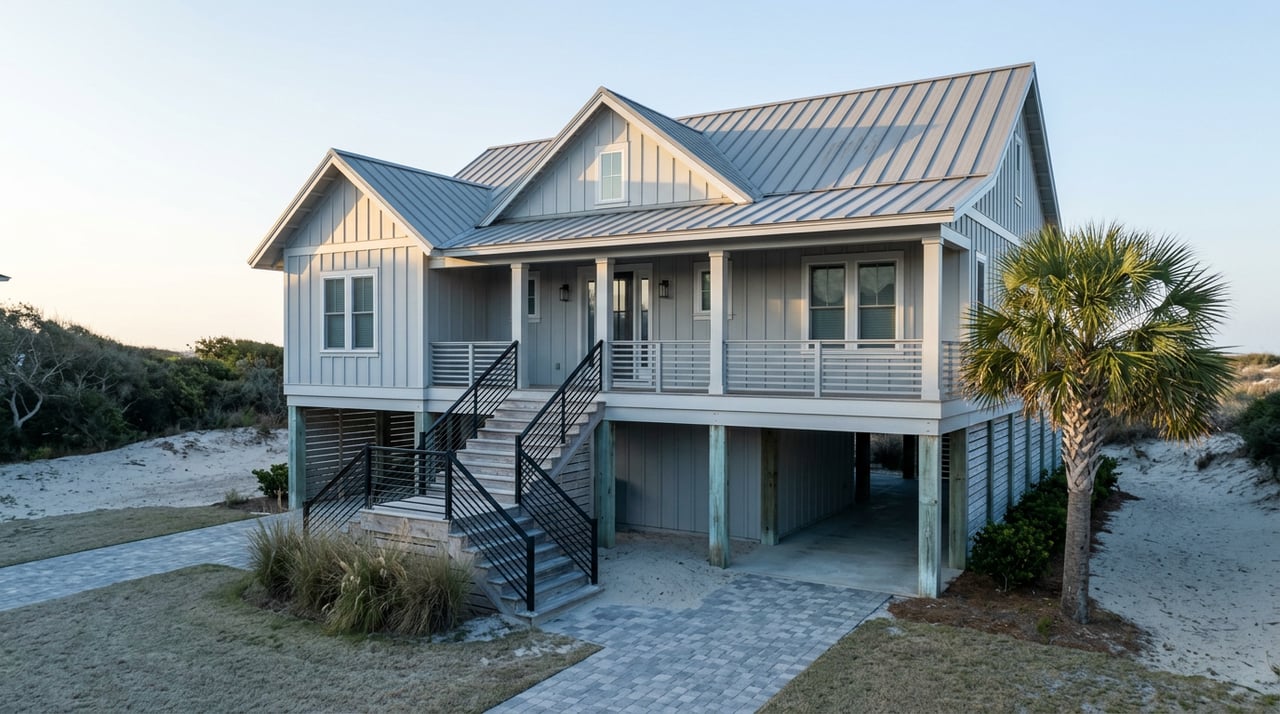
Newer subdivisions often sit near US‑501, Highway 90, and International Drive, trading walkable blocks for modern infrastructure and straightforward highway access. Communities typically offer sidewalks, underground utilities, and features that appeal to today’s buyers. For a sense of what’s being built locally, browse builder features for Rivertown Row North from Beverly Homes.
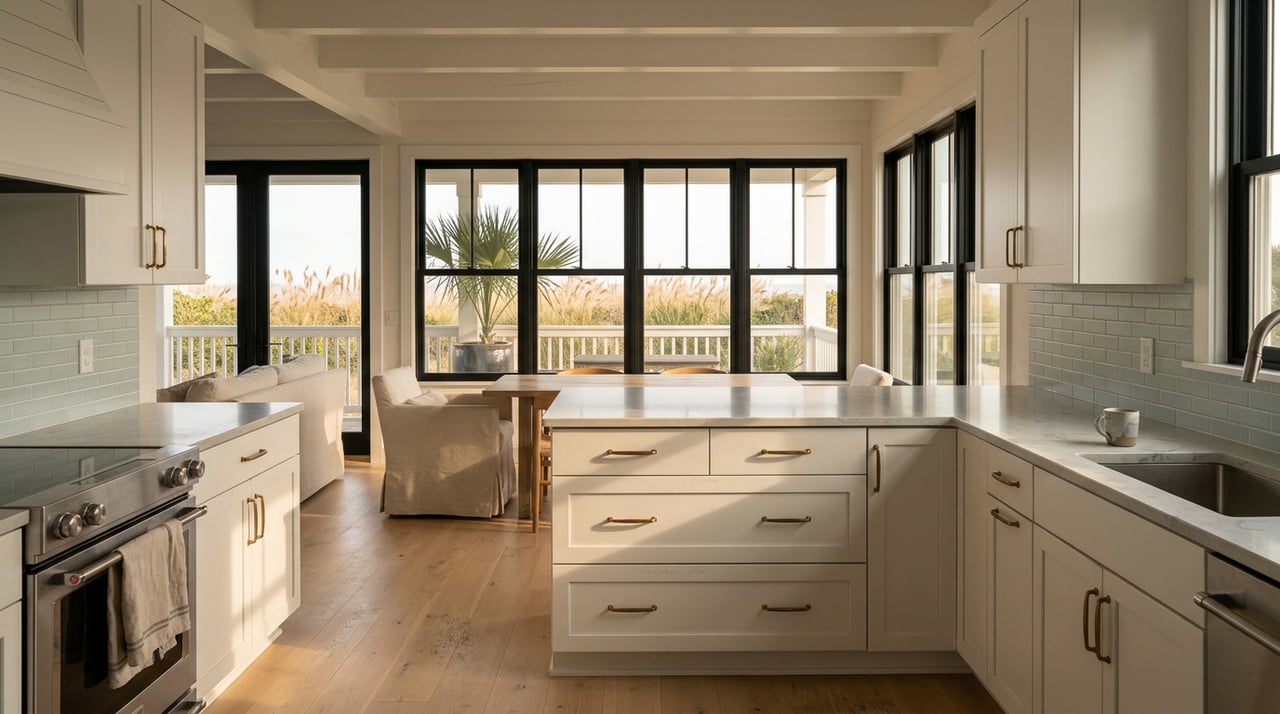
Expect open‑plan kitchens, energy‑efficient HVAC, contemporary plumbing and electrical systems, and builder warranties that reduce near‑term maintenance risk. Many neighborhoods include community amenities such as pools, cabanas, ponds, and playgrounds. You will likely have a garage, a private lawn, and the option to fence a backyard, which is helpful for outdoor living and pets.
HOAs are common in planned communities. Fees vary based on amenities and the scope of common‑area maintenance. Most associations have architectural review rules that govern fences, paint colors, and landscaping standards. Before you fall in love with a home, review the covenants and ask about the current monthly fee, what it covers, and any upcoming capital projects.
With new construction, your major systems are up to date and may be under warranty. Newer neighborhoods also benefit from engineered stormwater management and modern streets and drainage. Localized flooding can still occur in low areas during intense rain, but you’re less likely to face the immediate renovation needs common to century‑old homes.
Conway sits about 12 to 16 miles inland from central Myrtle Beach. In typical conditions, many drives fall in the 20 to 30 minute range, depending on your exact start and end points. For a quick route reference between Conway and Myrtle Beach, you can use this sample Conway to Myrtle Beach distance check. US‑501 is the primary link and can slow during peak tourist and commuter times, so it is smart to test your commute during the hours you plan to travel.
Living downtown means short walks to restaurants, events, small shops, and the Riverwalk. The local tourism board’s profile highlights why the core is a favorite for strolling and festivals. Explore that vibe in this downtown Conway feature. In newer neighborhoods, you will use your car for most errands, but you gain quick access to big‑box retailers, grocery chains, and services clustered along US‑501 and International Drive.
Conway residents have ready access to hospital and specialty services in the metro area. Review emergency services and nearby care options through Conway Medical Center.
At a citywide level, recent sources commonly place Conway single‑family medians in the mid‑$200,000s to low‑$300,000s, with normal month‑to‑month swings by source. Neighborhood and even street factors can shift values significantly. When you are serious about an area, ask us for current MLS comps for the specific blocks or communities on your shortlist.
River‑adjacent and low‑lying properties may carry flood‑insurance requirements and higher premiums. That can influence your monthly budget. For any home with potential exposure, confirm the FEMA zone, request or order an elevation certificate, and price both NFIP and private flood policies. Start that process early using the FEMA Flood Map Service Center. For broad context on past regional flooding, see this overview of major storm‑related impacts.
Older homes may require electrical, plumbing, HVAC, window, and insulation updates, plus potential lead‑safe practices if built before 1978. Reference the EPA’s guide to protect your family from lead in your home and be ready to hire certified contractors when needed. Newer homes often include builder warranties and termite pretreatments. For ongoing wood‑destroying insect prevention, review treatment options with a local provider and consult resources like Orkin’s South Carolina termite page.
In new subdivisions, build HOAs into your monthly and annual budgets. Ask about planned amenities, any transfer or initiation fees, and rules that could affect future projects like fencing or additions. In historic downtown, verify whether a local design review applies. If so, timelines for exterior changes may be longer due to approvals.
You do not have to pick your path alone. We combine hands‑on local guidance with MLS tools to help you compare real homes in real time. Here is how we make it easier:
Ready to compare historic charm and modern comfort with a local guide by your side? Reach out to Jan and Dan Sitter | Coastal Beach Homes to start your Conway home search.
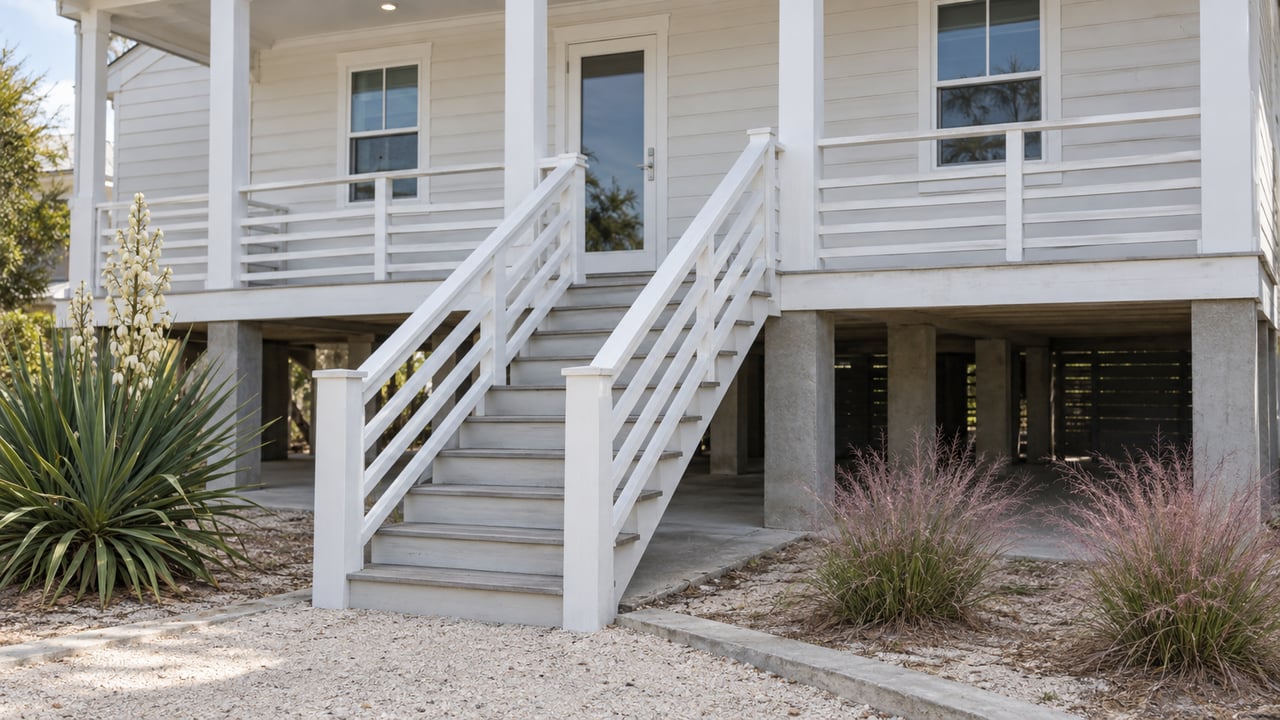
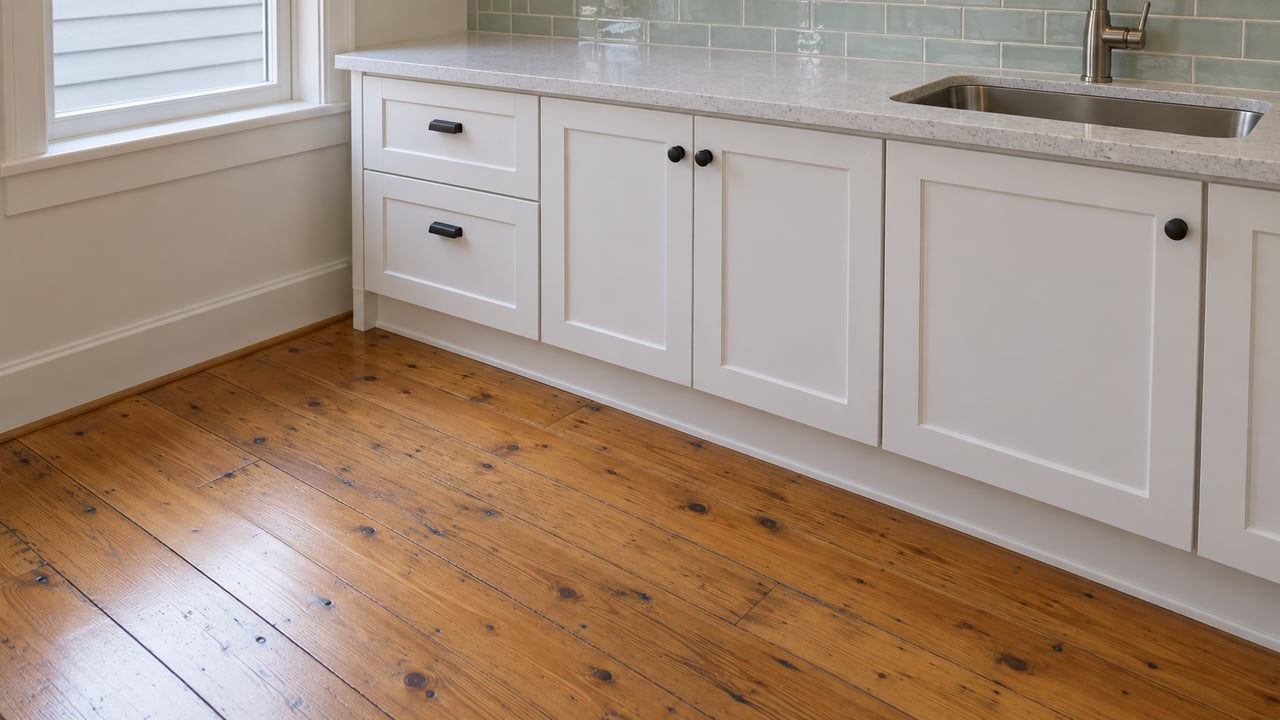

When you hire Jan and Dan, you get a team of professional real estate agent diligently working together on your behalf. They are knowledgeable and experienced professionals you can trust to best represent your interests in our unique market.

JAN AND DAN SITTER | COASTAL BEACH HOMES
ADDRESS
9628 N KINGS HWY
MYRTLE BEACH SC 29572