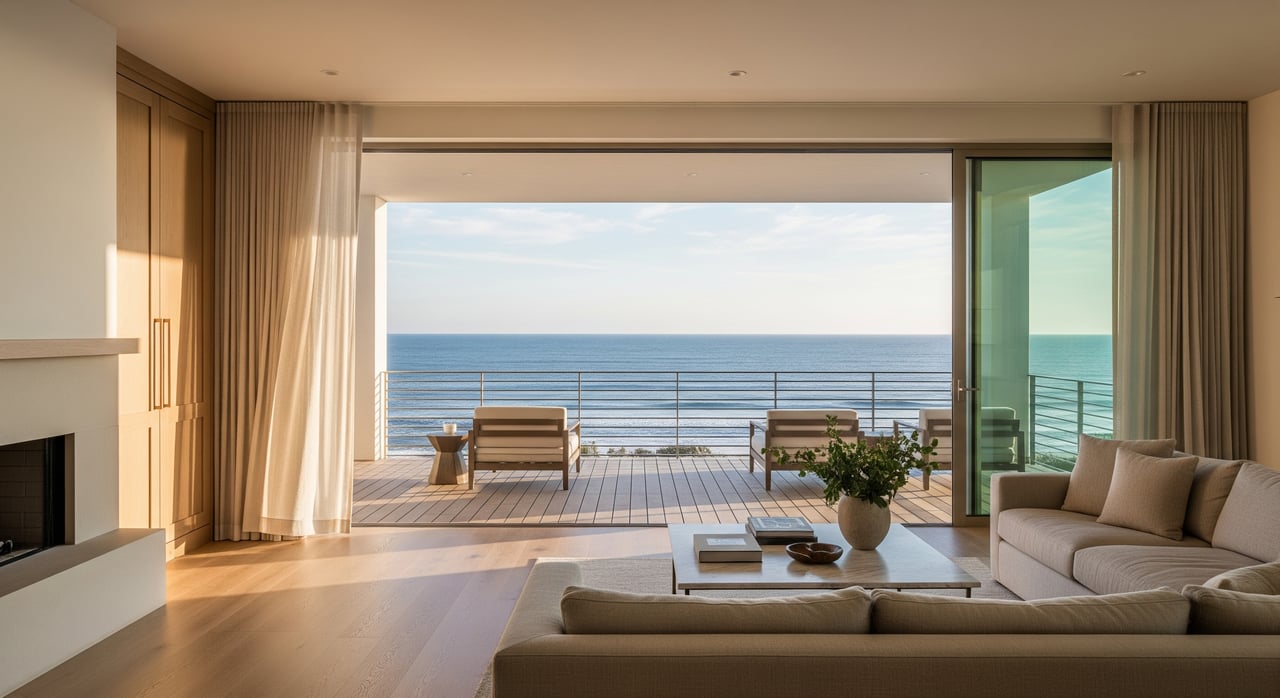
Are Garden City Beach Short-Term Rental Condos a Smart Buy?
Thinking about buying a beach condo you can enjoy and also rent out when you are not here? You are not alone. Garden City Beach draws steady vacation traffic, but success with a short-term rental depends on more than location. You need the right building, realistic revenue expectations, and a clear plan for rules, taxes, and insurance.
In this guide, you will learn how Garden City Beach demand works, what to check in HOA documents, which costs matter most, and how to analyze returns before you buy. You will also get a practical due-diligence checklist you can use right away. Let’s dive in.
Garden City Beach sits within the broader Myrtle Beach coastline, a popular leisure destination with strong spring and summer travel. Demand tends to be highly seasonal, with peak occupancy in late spring through summer and softer winter months. Events, weather, and proximity to the ocean and pier influence bookings.
Location within Garden City Beach matters. Oceanfront and near-ocean properties usually command higher average daily rates and fill faster than units farther back. Unit condition, amenities, and professional marketing also impact occupancy and rate.
Guests typically book through major platforms, direct manager websites, or local property managers. Short stays are common, and multi-party vacation groups often seek convenient parking, easy beach access, and simple check-in.
Short-term rental rules can exist at the state, county, and building levels. Garden City Beach is in Horry County, so confirm whether county or any applicable municipal rules govern your property. Requirements change, so verify details before you buy or list.
Before purchase, confirm current requirements with Horry County and the South Carolina Department of Revenue. Clarify the registration and tax remittance process and any minimum-stay or occupancy limits that could affect your revenue plan.
For condos, the association often makes or breaks your plan. You need to confirm that short-term rentals are allowed and understand the exact limits.
Ask for the full set of governing documents: declaration, bylaws, leasing policies, rules, recent meeting minutes, current budget, reserve study, and any special assessment notices. Look for upcoming projects like balcony repairs, roofing, or elevator work that could affect expenses and downtime.
Parking limits can constrain guest capacity and influence occupancy for larger groups. Zoning and site design also affect how smoothly guests arrive, unload, and access the beach. These small details show up in reviews and repeat bookings.
Coastal buildings face salt, wind, and moisture, which translate into higher maintenance needs. Strong reserves are a positive sign. Large special assessments can reduce returns, so model those into your cash flow.
Short-term rental performance depends on how many nights you book and your average daily rate. Seasonality means a large portion of revenue often arrives in a few peak months, so you should underwrite conservatively.
A realistic budget includes cushions for low-season vacancies, higher utility use, and periodic refreshes of linens and furnishings.
Financing differs for second homes versus investment properties. Lenders may also evaluate the condo project itself, especially if a high percentage of units rent or if there is pending litigation. Confirm that your intended short-term rental use aligns with your loan terms.
For insurance, the building’s master policy covers common elements, but you will likely carry an HO-6 policy for your unit interior and liability. Short-term rental activity usually requires an endorsement or a policy tailored for STR use. Consider additional liability coverage, loss of rental income, and umbrella options.
Flood and wind risks are part of coastal ownership. Depending on your lender and elevation, you may need flood insurance through NFIP or a private carrier. Hurricanes and tropical storms can cause downtime and repairs, so plan for both higher premiums and potential interruptions in cash flow.
Build a simple model before you write an offer. Use conservative assumptions and sensitivity tests so you know your break-even point.
Garden City Beach can be a strong vacation market, but every condo and HOA is different. Plan for these risks and consider simple mitigations.
Use this quick checklist to evaluate a Garden City Beach condo for short-term rental.
It can be. Garden City Beach benefits from steady leisure travel, and many condo owners achieve solid seasonal revenue. The key is picking a building that permits short-term rentals, validating real numbers for your exact unit type and location, and modeling costs that reflect coastal ownership realities like HOA dues, insurance, and special assessments.
If the numbers still work after you stress-test them, a Garden City Beach condo can serve as both a place to enjoy and a rental asset. If they do not, you will be glad you discovered that before closing. When you are ready to evaluate specific buildings and listings, reach out. We know the local condo landscape and will help you compare options with clear, practical data.
Ready to explore Garden City Beach condos that fit your goals? Connect with Jan and Dan Sitter | Coastal Beach Homes to start a focused search and run the numbers with confidence.

When you hire Jan and Dan, you get a team of professional real estate agent diligently working together on your behalf. They are knowledgeable and experienced professionals you can trust to best represent your interests in our unique market.

JAN AND DAN SITTER | COASTAL BEACH HOMES
ADDRESS
9628 N KINGS HWY
MYRTLE BEACH SC 29572