Imagine starting your day with coffee on a sunny plaza, picking up groceries a few blocks away, then catching a movie or concert without getting in the car. If you want a walkable lifestyle near Surfside Beach and Myrtle Beach, Market Common is worth a close look. Whether you are relocating or planning for retirement, you deserve clear, practical guidance on how walkable life actually works here. In this guide, you will learn what Market Common offers, how to evaluate walkability for a specific property, the home types and HOA rules to expect, and how to preview the area from afar. Let’s dive in.
Market Common at a glance
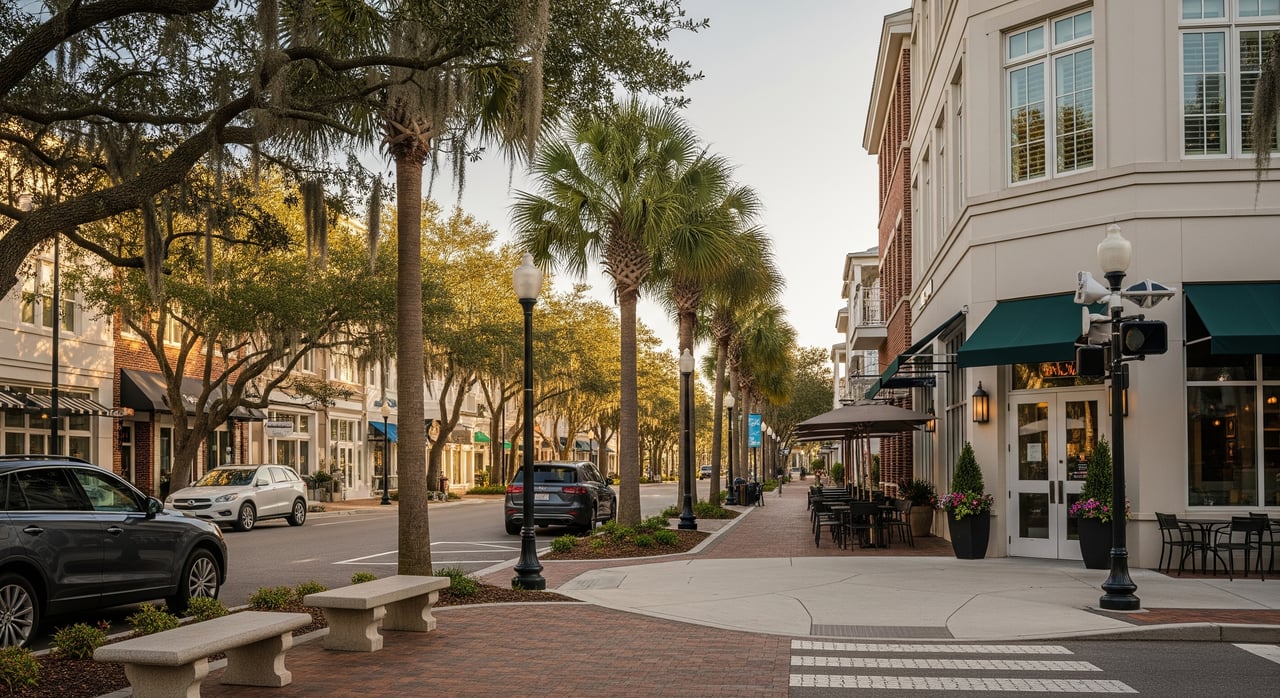
Market Common is a planned urban village on the former Myrtle Beach Air Force Base site. The district blends housing, restaurants, shops, parks, and entertainment in a compact footprint. Streets are designed for comfortable walking with sidewalks, crossings, and pedestrian lighting.
You are on the south side of Myrtle Beach, a short drive from Surfside Beach and the Atlantic shoreline. Exact walking time to the beach depends on the specific property. Some blocks sit noticeably closer to public access than others. Always verify the route for the address you are considering.
Walkability highlights
Market Common’s core makes daily errands easier on foot. You will often find a mix of:
- Restaurants and cafes, specialty shops, services, and a movie theater within a compact main street area.
- Everyday needs like a grocery store, pharmacy, banks, and personal services.
- Parks, plazas, and green space that break up longer walks and provide rest spots.
Comfort features help walks feel safe and simple:
- Continuous sidewalks, clear crosswalks, curb ramps, and short blocks.
- Street trees, pedestrian lighting, benches, and connected trail loops.
- Generally flat terrain with multiple route options through the district.
Seasonal patterns matter. Expect more foot traffic and possible congestion during summer and peak tourist weekends. Fall, winter, and spring are usually quieter. If accessibility is important, note curb cuts, step-free building entries, and where benches or rest areas are located. For medical access, check which clinics and hospitals you can reach within a short drive and short walk once parked.
A day on foot
Picture a typical day without relying on the car:
- Morning: Walk to a cafe for coffee, then continue to a nearby park for a short loop. Many daily stops are often within about 5 to 15 minutes on foot from the mixed-use core.
- Midday: Swing by the pharmacy and grab lunch at a local spot. Benches and plazas make it easy to take breaks.
- Evening: Meet friends for dinner, then catch a movie or community event before strolling home. Lighting and connected sidewalks support after-dinner walks.
The key is proximity from your specific building or block to the destinations you will use most. Two homes in the same neighborhood can feel very different on foot.
Homes and lifestyle tradeoffs
Common home types
You will see several housing forms in Market Common:
- Condominiums and flats, including homes over ground-floor retail in some areas.
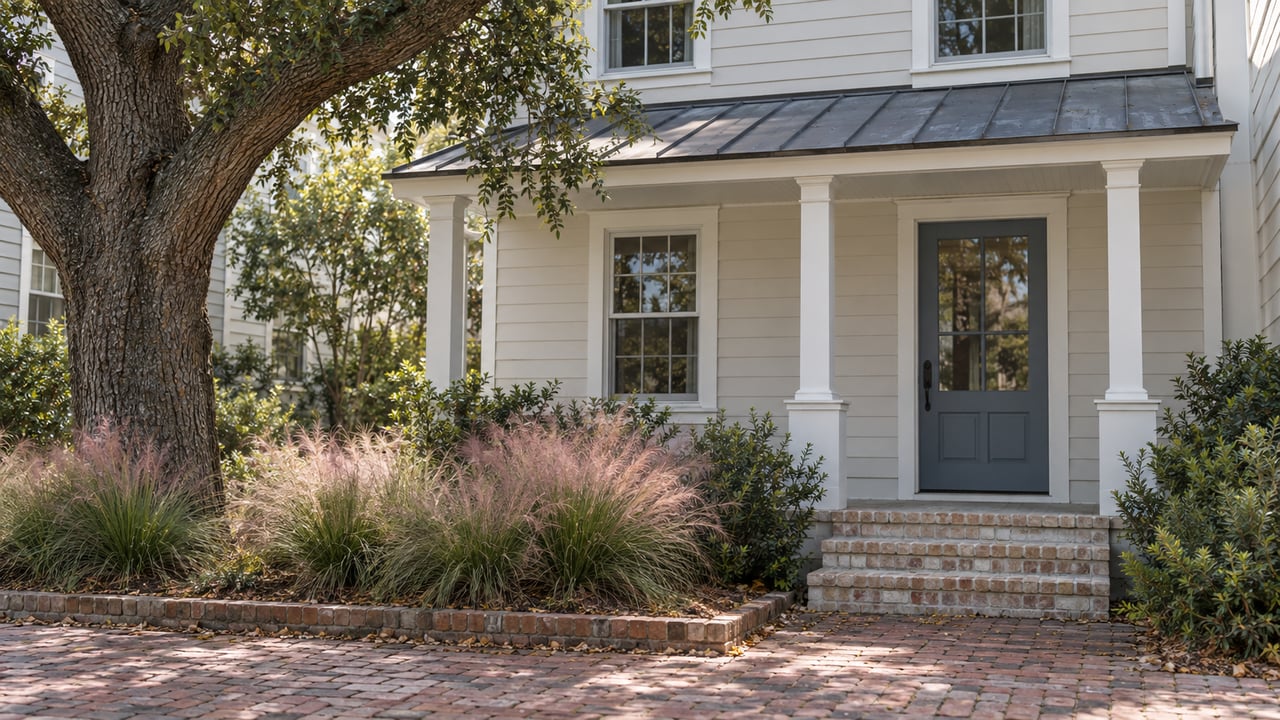
- Townhouses and attached single-family style homes that face the street.
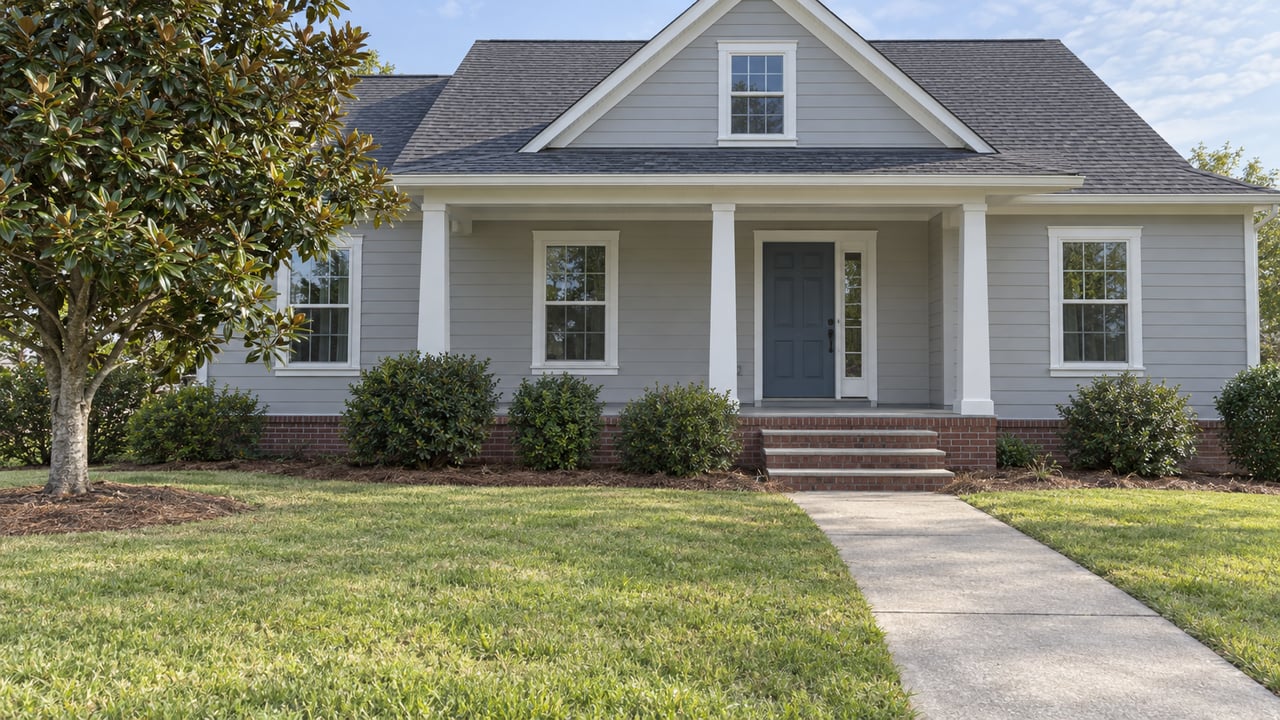
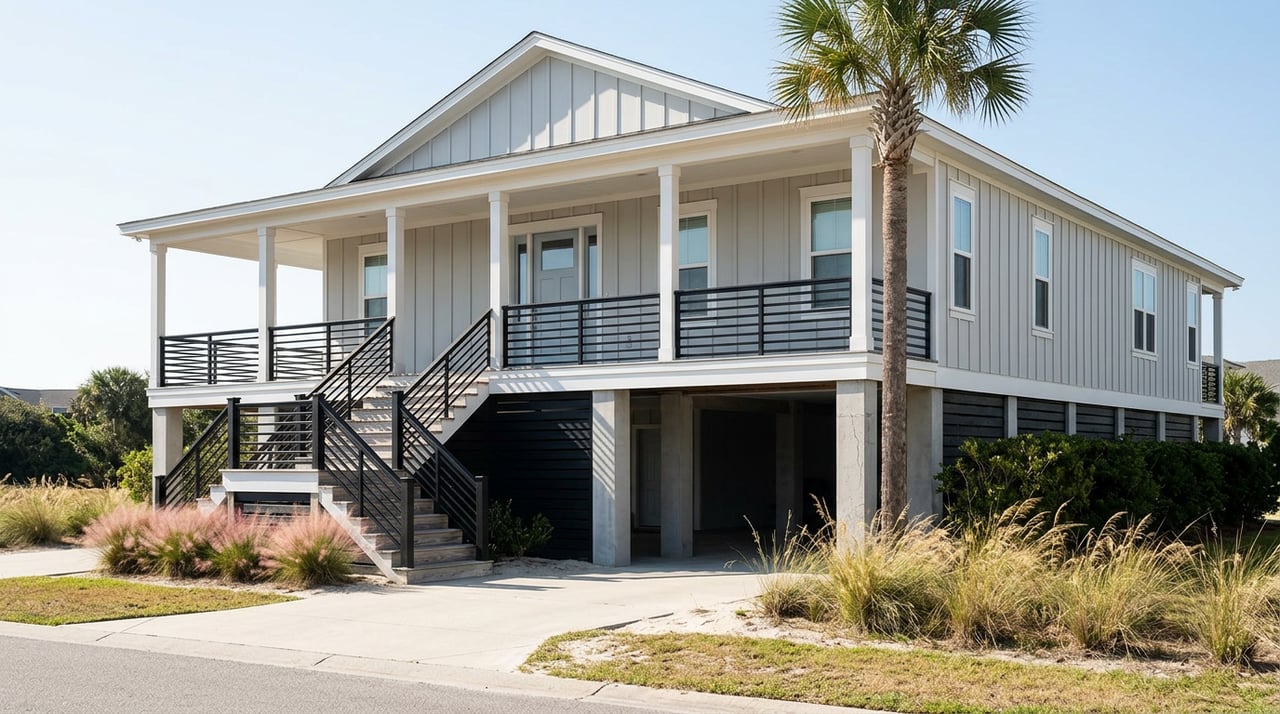
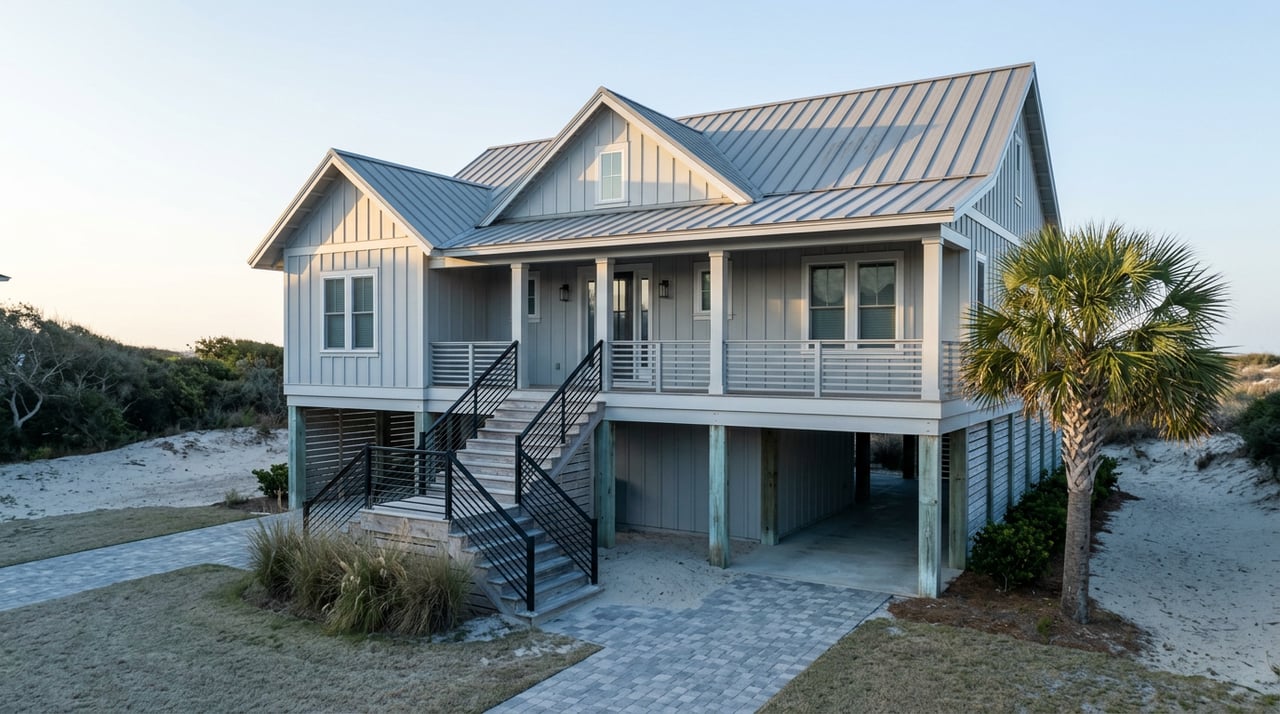
- Detached single-family homes designed to match the district’s look and feel.
- Rental apartments and multifamily buildings in the broader district.
Maintenance and monthly fees
Condos and many townhomes reduce exterior maintenance responsibilities, which appeals to retirees and second-home buyers. That convenience usually comes with monthly HOA or condo fees. Fee levels and what they cover vary by building type. Single-family homes may have lower POA dues that focus on common landscaping or lighting.
Parking and mobility
Homes near the core may rely on shared parking, garages behind units, or on-street spaces. If you plan to keep a vehicle, confirm whether the home includes a garage or assigned space. Ask about guest parking and any rules for overnight or street parking.
Accessibility features
If mobility is a priority, look for:
- Elevators in multi-story buildings.
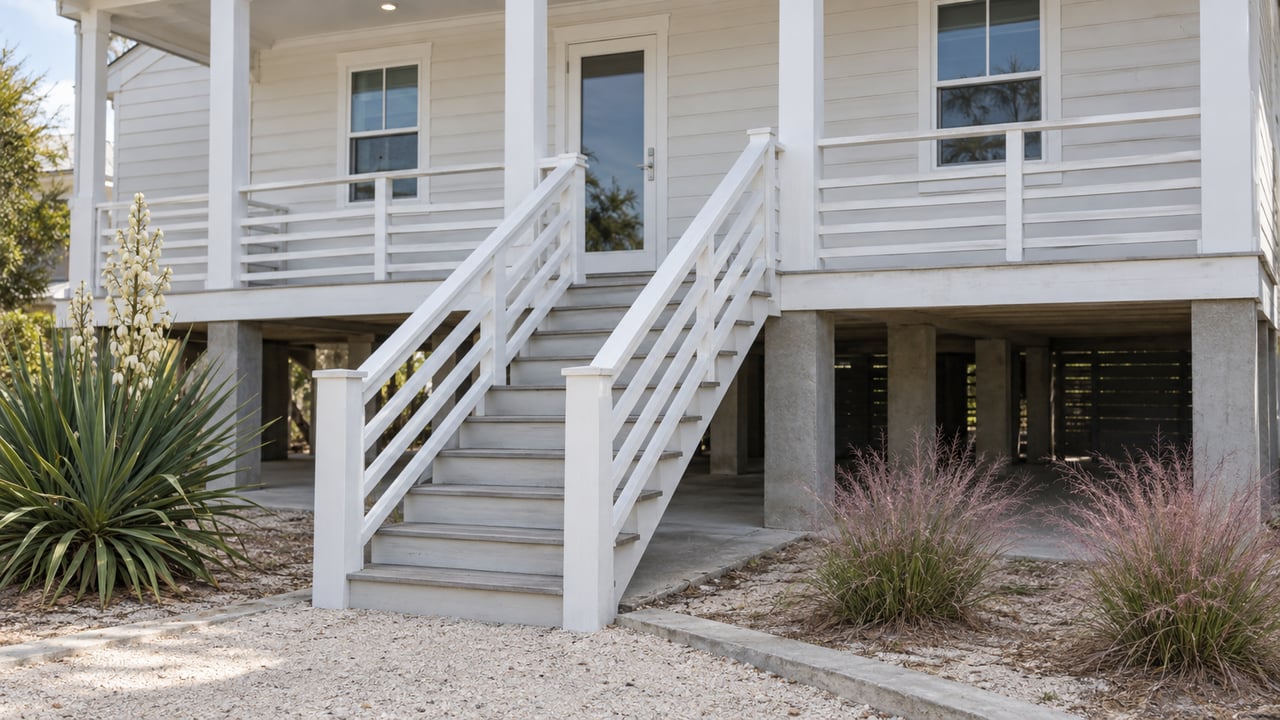
- Step-free entries and single-level floor plans.
- Bathrooms that are large enough for future modifications.
Age-qualified options may exist, but the overall market serves a wide range of buyers. Verify the features that matter to you.
Resale and rentals
Mixed-use neighborhoods often see steady demand. If you hope to rent your property, review HOA and municipal rules first. Some associations or local ordinances restrict short-term rentals or set permit and parking requirements.
POA and HOA essentials
Market Common includes a Property Owners Association that manages shared landscaping, common areas, streetscapes, and district rules. Individual condo and townhome communities have their own HOAs. Before you go under contract, request and review:
- CC&Rs, bylaws, and rules and regulations.
- Current budget, fee schedule, reserve study, and capital plans.
- Meeting minutes for the past 12 to 24 months.
- Special assessment history and any upcoming projects.
- Insurance certificates and management company contact details.
Questions to ask:
- Are there pending assessments, and how have fees changed in recent years?
- Are short-term rentals allowed, and what permits are needed?
- How are rules enforced, and what is the dispute process?
- How is the board elected, and how often does it meet?
Typical responsibilities to clarify include exterior building maintenance for condos, landscaping, lighting, trash and recycling programs, amenity upkeep, and parking rules. Confirm pet policies and any approvals needed for exterior modifications.
Preview like a local
In-person walkthrough
When you visit, plan multiple time slots:
- Weekday midday, weekday evening, and a weekend afternoon to compare traffic and pedestrian activity.
- Walk sample routes from the property to the grocery, pharmacy, medical clinic, parks, and restaurants. Time each route and note sidewalk continuity, crosswalks, lighting, and benches.
- Observe resident and guest parking, signage, and enforcement.
- Note seasonal noise sources, especially during summer.
- Check accessibility features like curb cuts, ramps, and elevator access where relevant.
Virtual preview from afar
If you are touring remotely, combine a few tools:
- Use Google Maps walking directions to estimate door-to-door times. Then confirm with an in-person test before closing.
- Explore Walk Score for a quick neighborhood summary and to compare blocks.
- Scan Street View and satellite imagery to check sidewalk continuity, park locations, and building access.
- Ask for community maps from the POA that show parks, plazas, and trail loops.
- Request video walkthroughs focused on thresholds, door widths, step heights, and elevator locations.
- Join neighborhood groups to learn about events and seasonal patterns.
Risk and regulations checklist
Flood and insurance
Coastal properties face hurricane risk, storm surge, and potential flooding. Protect your budget upfront:
- Look up the exact parcel in the FEMA Flood Map Service Center to confirm the flood zone and Base Flood Elevation.
- Ask the seller or HOA if any flood claims have been made.
- Obtain homeowner and flood insurance quotes before final negotiations. The South Carolina Department of Insurance outlines coastal coverage considerations and resources.
Property taxes and assessments
Verify the current tax bill and any special assessments:
- Check the Horry County property and GIS resources for parcel details and tax amounts.
- Ask if your property falls within a special district or improvement area that adds fees.
Short-term rental rules
Local ordinances and HOA rules may limit or prohibit short-term rentals:
- Review your HOA or POA documents for rental restrictions, minimum stay lengths, and parking or occupancy rules.
- Confirm municipal requirements, permits, and occupancy taxes with the Town of Surfside Beach or Myrtle Beach as applicable to the property’s address.
Health care and daily services
If you are planning a long-term or retirement move, confirm proximity to medical providers. Identify your nearest urgent care and hospital options, such as facilities within the Tidelands Health system. During your visit, time a door-to-door trip and note parking and building access points.
How to evaluate a specific address
A summary score is helpful, but block-level details matter. Use this quick method:
- Map your top five destinations: grocery, pharmacy, favorite cafe, park, and entertainment spot.
- Use Google Maps to get walking times and routes. Favor paths with continuous sidewalks and safe crossings.
- Walk each route at least once at different times of day. Note lighting, traffic speed, and places to rest.
- Confirm parking logistics for you and your guests, including any permits.
- Review HOA rules to make sure daily life on foot aligns with pet policies, guest parking, and quiet hours.
What this means for your search
Market Common can deliver a car-light lifestyle with a variety of home types. The best experience comes from matching your address to your daily routine. If you want easy grocery runs, pick a home close to the mixed-use core. If you want quieter evenings, favor blocks slightly beyond the busiest corridors but still within a short walk.
When you are buying from out of state, a guided process makes all the difference. You can combine virtual tools with on-the-ground timing to feel confident before you write an offer.
Ready for next steps?
If Market Common sounds like your lifestyle, we are here to help you evaluate addresses, review HOA documents, and organize virtual or in-person tours that focus on walkability and accessibility. You will work directly with a husband-and-wife team that blends neighborhood insight with modern MLS tools. Connect with Jan and Dan Sitter | Coastal Beach Homes to start a focused, low-stress search.
FAQs
What is Market Common and where is it?
- Market Common is a planned urban village on the former Myrtle Beach Air Force Base site on the south side of Myrtle Beach, within a short drive of Surfside Beach.
How walkable is Market Common for daily errands?
- Many everyday destinations are clustered so you can often reach shops, dining, parks, and services within roughly a 5 to 15 minute walk of the mixed-use core.
Are short-term rentals allowed in Market Common?
- Rules vary by HOA and local ordinances; check your community documents and confirm municipal requirements with the appropriate city or town before you buy.
How do I check flood risk before purchasing?
What should I review in an HOA or POA?
- Request CC&Rs, rules, budgets, reserve studies, meeting minutes, and insurance certificates, and ask about fee trends, assessments, parking, and rental policies.
How can I preview Market Common from out of state?
How far is the beach from Market Common homes?
- It varies by address; verify walking or driving times with Google Maps and validate the route in person, since some blocks sit closer to beach access than others.