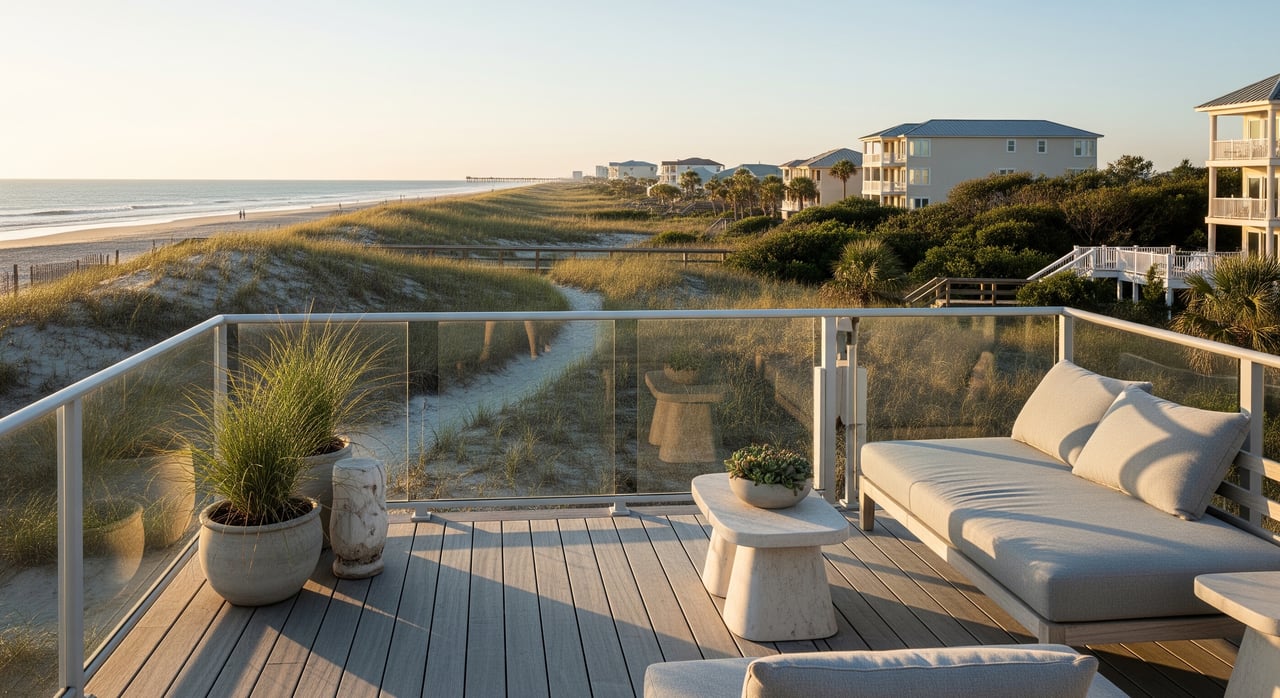
Choosing Between Myrtle Beach Oceanfront and Second Row
Trying to decide between oceanfront and second-row living in Myrtle Beach? You are not alone. Both offer coastal charm, but the differences in cost, upkeep, and everyday feel can be significant. In this guide, you will compare price, ongoing expenses, risk, lifestyle, rental potential, and resale so you can move forward with confidence. Let’s dive in.
Oceanfront gives you immediate sand access, unobstructed views, and that premium coastal experience. You will likely pay more up front and over time for HOA dues, insurance, and maintenance. Second-row homes and condos typically cost less and can still be a short walk to the beach, with slightly quieter streets and easier parking.
Second-row properties can deliver much of the beach lifestyle at a lower total cost of ownership. Many still capture ocean views from elevated balconies or rooftop decks. The right choice depends on how you plan to use the property and your comfort with coastal upkeep.
Oceanfront properties in Myrtle Beach usually sell at a premium because of direct access and views. The exact difference varies by property type, age, amenities, and market timing. To understand today’s gap, compare recent closed sales on a price per square foot basis for oceanfront versus adjacent second-row buildings over the past 12 to 24 months.
Ongoing costs tend to run higher on the oceanfront. Condo towers often have larger HOA dues that cover elevators, pool decks, exterior upkeep, and shared insurance pools. Wind and hail insurance is typically more expensive along the coast, and many lenders require separate flood coverage if a property sits in a Special Flood Hazard Area. Utilities and routine maintenance can also run higher because salt and wind accelerate wear on HVAC systems, paint, windows, and metal.
Property taxes in Horry County follow county rates, and assessed values may be higher for oceanfront parcels. For any specific address, check parcel tax history and budget based on that data. Always get wind and flood insurance quotes for the exact unit before finalizing an offer.
Lending on oceanfront condos can be more restrictive. Lenders review condo association health, owner-occupancy rates, reserve levels, and any litigation. Appraisals often show higher per square foot values for oceanfront, but comps drive value, and storm events can influence recent sales. Ask your lender early about condo documentation and insurance requirements.
You wake to waves and step straight onto the sand. The views and sea breeze are a daily highlight, and the “wow” factor is real. Expect more wind and surf noise and more foot traffic near public beach access points during peak seasons.
You still live near the sand, often within a short stroll, yet your street can feel calmer. You may find more shade, a neighborhood vibe, and easier access for parking and deliveries. Some second-row homes and condos offer elevated spaces with partial ocean views, which can deliver a similar feel at a lower price.
Define your primary use first. For full-time living or longer seasonal stays, the quieter feel and lower carrying costs of second row may fit your day-to-day needs. If your goal is a classic beach experience with instant sand access or a premium rental profile, oceanfront may be worth the premium.
Oceanfront properties sit on the front line for wind, storm surge, and wave action. Second-row homes can also be in higher-risk flood zones depending on elevation and dune structure. Review FEMA Flood Insurance Rate Maps for flood zone determinations and request any available elevation certificate for the property you are considering.
Beach width and dune lines along the Grand Strand change over time. Myrtle Beach has periodic beach renourishment projects to preserve beach width and protect the shoreline, and these projects are not permanent. Understanding local renourishment history can help set expectations on long-term access and shoreline conditions.
On the oceanfront, salt exposure accelerates corrosion on railings, balcony hardware, and exterior finishes. Roofs, windows, and mechanical systems may require more frequent repairs. Second-row properties still face salt and humidity but often with less direct exposure. For any older building, review reserve studies, exterior maintenance schedules, and records of recent capital projects or hurricane-related repairs.
Use this short list to stay thorough:
Oceanfront units typically command higher nightly rates and often higher peak-season occupancy. Second-row units may deliver competitive or better returns because of lower purchase price and operating costs. Your net ROI depends on acquisition cost, HOA dues, insurance, and how often you plan to use the home yourself.
Short-term rental viability depends on local regulations and HOA rules. The City of Myrtle Beach and Horry County have licensing and tax requirements that you must follow. Many condo associations set their own rental policies, which can be more restrictive than city rules. Always verify current regulations and association rules before you buy.
Oceanfront listings tend to attract strong attention in healthy markets, supported by their unique views and beach access. They can also be more sensitive to storm headlines and insurance cost shifts. Second-row properties often appeal to a broader buyer pool thanks to lower price points, which can help resale in certain cycles. Think about your exit strategy as part of your purchase decision.
Start with how you plan to use the property, then compare total cost of ownership for a few specific addresses. Look closely at insurance quotes, HOA dues, and the building’s maintenance history. Finally, weigh daily lifestyle factors like street noise, parking, and access to the sand.
If you want a calm, personalized process, we can help. Our boutique approach combines MLS-driven tools, timely alerts, and practical neighborhood insight so you can compare real properties side by side and move quickly when the right one hits the market. Ready to tour oceanfront and second-row options and get clarity on the best fit for you? Connect with Jan and Dan Sitter | Coastal Beach Homes.

When you hire Jan and Dan, you get a team of professional real estate agent diligently working together on your behalf. They are knowledgeable and experienced professionals you can trust to best represent your interests in our unique market.

JAN AND DAN SITTER | COASTAL BEACH HOMES
ADDRESS
9628 N KINGS HWY
MYRTLE BEACH SC 29572