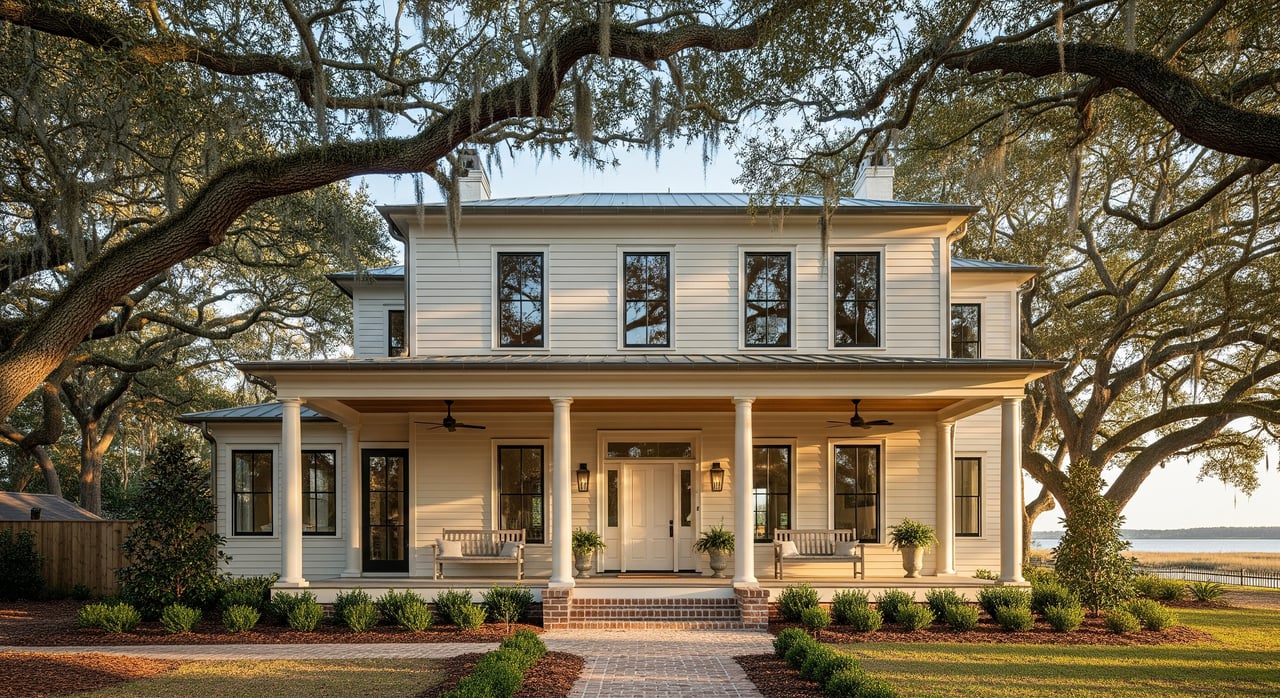
How to Sell Your Conway SC Home When You're Competing With New Construction
New construction is going up fast across Conway SC — from Wild Wing and Hillsborough to the corridors along US‑501 and SC‑544 — and if you're selling an existing home nearby, it can feel like you're up against shiny model homes, builder incentives, and rate buydowns at every turn. The good news: resale homes in Conway have real advantages new builds can't replicate, and with the right pricing, prep, and marketing strategy, you can win the buyer without giving away your bottom line.
This guide walks you through exactly how to position your Conway resale against new construction — pricing, smart upgrades, incentives, and the local marketing angles that move the needle.
Before strategy, it helps to see where you naturally win and where builders have the edge:
| Factor | New Construction | Your Conway Resale |
|---|---|---|
| Move-in timeline | Often 4–8+ months | Immediate occupancy |
| Lot size & maturity | Smaller lots, new landscaping | Larger lots, mature trees |
| HOA fees | Typically higher, often required | Often lower or none |
| Warranty | Builder warranty included | Can offer 1-year home warranty |
| Price per sq ft | Higher base + upgrade costs | Often lower, upgrades included |
| Location | Newer outlying communities | Established, often closer to downtown |
| Construction noise | Ongoing in active phases | None |
| Customization | Limited to builder options | Already personalized |
Use this framing in your listing description and agent remarks — it gives buyers a clear reason to choose your home.
New construction appeals to buyers who want modern layouts, new systems, and builder perks like closing-cost help or temporary rate buydowns. But existing Conway homes win consistently on mature landscaping, larger lots, established neighborhoods, lower HOA fees, and proximity to downtown Conway, the Riverwalk, and Coastal Carolina University. Many buyers also need to move now — not in six months — which is your biggest built-in advantage.
When you build your CMA, include active new-construction listings and recent builder closings in your competitive set. Compare price per finished square foot, but adjust for lot size, effective age, condition, and what's actually included. Builders often advertise a base price that doesn't reflect the upgrades a buyer would need to add to match your home.
Create a one-page breakdown that shows what a buyer would pay to add the features your home already includes — appliances, window treatments, fenced yard, landscaping, upgraded flooring, storage solutions. When buyers see the real cost to replicate your home in a new build, your value stands out.
A targeted credit often beats a list-price drop. Consider a closing-cost credit, a temporary rate buydown, or a one-year home warranty. These lower the buyer's monthly payment and ease concerns without eroding your net the way a big price reduction does.
A pre-listing inspection reduces uncertainty and speeds up negotiation. It signals transparency and lets you address issues on your terms rather than under pressure after the buyer's inspection. Share a summary and receipts for any repairs you complete.
Fix now vs. credit later: Handle safety items and major systems first. Knock out low-cost cosmetic improvements for staging and photos. For optional upgrades, offer a well-explained credit that lets buyers personalize.
Document everything: Keep permits, invoices, and service records for the roof, HVAC, water heater, electrical, and plumbing. Organized documentation reassures buyers and supports your appraisal.
Focus on projects with strong visual impact at reasonable cost:
These touches let buyers feel they're getting the freshness of new construction with the character and lot quality of an established home.
Echo the benefits buyers expect from new construction:
Many new construction communities in Conway sit on the outskirts. If your home is closer to downtown Conway, the Riverwalk, Coastal Carolina University, or has easier access to US‑501 or SC‑544, that's a major selling point. Include realistic drive times to downtown, CCU, and Myrtle Beach so buyers can picture their daily routine.
Established Conway neighborhoods offer mature trees, privacy, and stable community feel. If your HOA fees are lower than nearby new builds — or you have no HOA at all — call it out. If you're near a still-building subdivision, emphasize the quiet you enjoy without ongoing construction traffic and noise.
Invest in professional photos, a floor plan, and a virtual tour. Use captions to highlight included upgrades, storage, and outdoor living. Add a short neighborhood guide covering parks, daily conveniences, and local favorites. Help buyers picture life beyond the four walls.
Flood and insurance: Know your flood zone designation and gather any elevation certificates or flood insurance history. If you've completed storm-related repairs or added impact-resistant features, document them — this is a common buyer concern in Horry County.
Utilities and septic: Confirm whether your home is on public sewer or septic. If septic, gather pumping records and permits.
Permits and historic district: Collect permits for additions, HVAC, and roof replacements. If your property is in a local historic district, understand the guidelines that may apply.
HOA details: Provide upfront details on fees, covenants, and rules. If there are planned infrastructure projects nearby, be ready to discuss what you know.
Appraisal prep: Build an appraisal packet with your upgrades, receipts, and comparable sales — both resale and new construction. Builder incentives can affect appraised value, so a clean record of your improvements helps justify your price.
Inspection risk management: Your pre-inspection sets the tone. Offer a capped repair credit for small items and show receipts for work already completed.
Time your launch: If local builders have long delivery timelines, emphasize quick occupancy in marketing and agent remarks. Open houses and virtual tours highlight mature lot, privacy, and neighborhood character no model home can match.
Know the builder playbook: Track recent builder sales, incentives, and delivery dates near your home. Match targeted perks rather than dropping price across the board.
If your home offers standout location advantages, unique architecture, or premium lot features nearby new builds can't match, you can justify a similar or higher price. Back it up with a clear list of upgrades, included items, and a side-by-side comparison.
You don't have to compete with new construction alone. A local team can pull the right comps, monitor builder incentives in your specific Conway submarket, and structure a listing strategy that meets today's buyers where they are.
If you're thinking about selling your Conway SC home, reach out to Jan and Dan Sitter | Coastal Beach Homes for a tailored plan, a data-backed price, and marketing that helps your home stand out.
How do I price my Conway home against nearby new construction? Include builder communities in your CMA, adjust for lot size and included features, and prepare an apples-to-apples comparison that shows the real cost to replicate your upgrades in a new build.
What incentives can I offer Conway buyers instead of cutting price? Consider a closing-cost credit, a temporary rate buydown, a one-year home warranty, a credit toward HOA dues, included appliances, or flexible closing and possession.
Will a pre-listing inspection help me compete with new homes in Conway? Yes. It reduces uncertainty, lets you fix or credit issues on your terms, and provides documentation buyers can trust — strengthening both negotiation and appraisal.
What local documents should Conway SC sellers prepare before listing? Collect permits and invoices for major work, flood-zone details and any elevation certificate, insurance history, HOA rules and fees, and records for utilities or septic service.
Which Conway neighborhoods have the most new construction competition? Active new construction in Conway includes communities along US‑501 and SC‑544 corridors, as well as Wild Wing and Hillsborough areas. Talk with a local agent for the most current builder activity near your home.
When you hire Jan and Dan, you get a team of professional real estate agent diligently working together on your behalf. They are knowledgeable and experienced professionals you can trust to best represent your interests in our unique market.

JAN AND DAN SITTER | COASTAL BEACH HOMES
ADDRESS
9628 N KINGS HWY
MYRTLE BEACH SC 29572