Murrells Inlet Real Estate & Coastal Homes for Sale
A naturally beautiful area, rich in history and natural features.
A naturally beautiful area, rich in history and natural features.
32,975 people live in Murrells Inlet, where the median age is 62.3 and the average individual income is $52,255. Data provided by the U.S. Census Bureau.
Total Population
Median Age
Population Density Population Density This is the number of people per square mile in a neighborhood.
Average individual Income
If your idea of home involves salt marsh at sunrise, Spanish moss hanging off live oaks older than the country, and a plate of oysters pulled from the creek that morning, Murrells Inlet was practically built for you. This is the rare Grand Strand town that has held onto its character while everything north of it grew louder and brighter.
Murrells Inlet started as a working fishing village—and, according to local lore, a quiet hideout for pirates like Blackbeard who appreciated a coastline you couldn't see from the open ocean. That same protected geography is why the town earned its title as the Seafood Capital of South Carolina. Generations of families have pulled oysters, clams, blue crab, and finfish from these creeks, and that harvest still defines daily life here.
What sets the inlet apart from its neighbor 13 miles north isn't just the seafood, though. It's the pace. Myrtle Beach runs on neon and crowds; Murrells Inlet runs on tides. Mornings are for boats and birds, afternoons for the water, and evenings for live music drifting across the marsh. It's why retirees, young families, and remote professionals all keep landing here for the same reason—they came for the coast but stayed for the quiet.
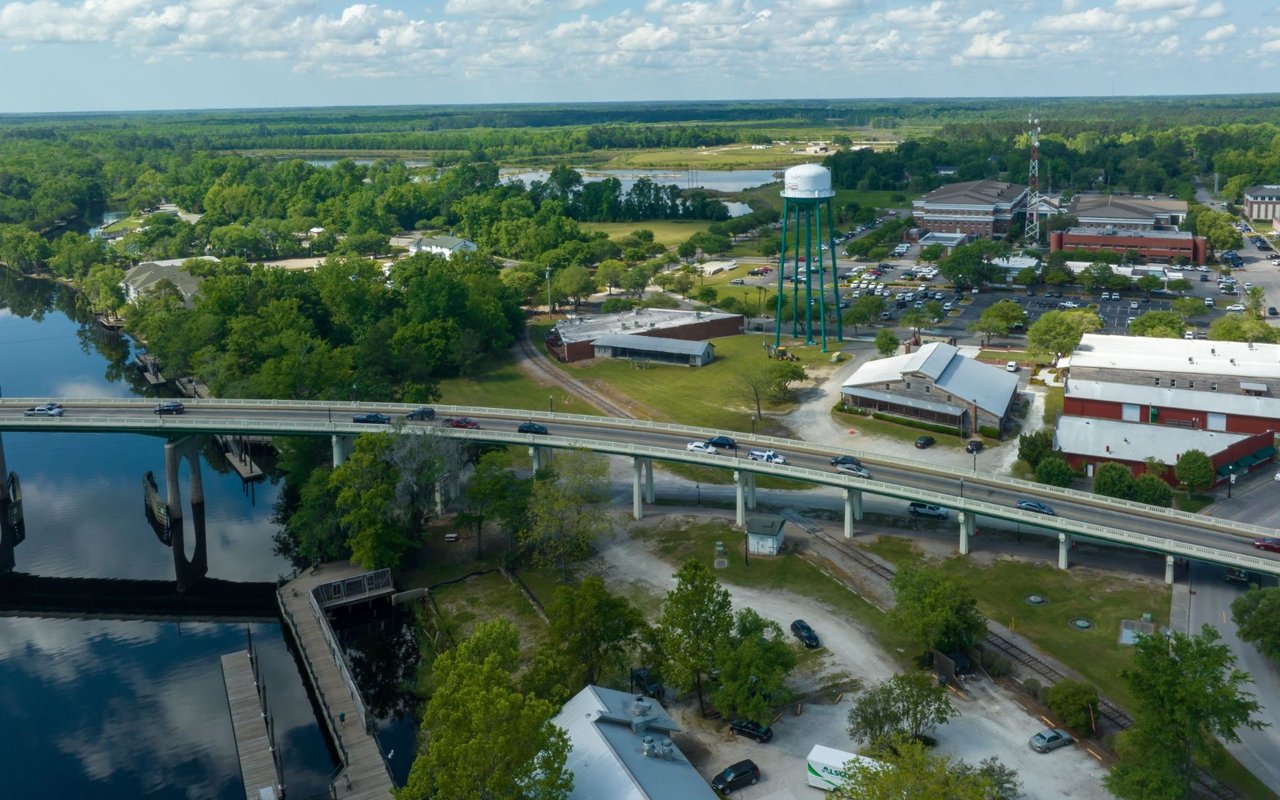
Murrells Inlet sits along South Carolina's southern coast, acting as a buffer between the energy of the Grand Strand and the slower rhythm of the Lowcountry. The town straddles a county line: most of it falls within Georgetown County, while its northern edges reach into Horry County. That detail matters more than it sounds, because it affects schools, tax offices, and zoning depending on which side of town you settle in. Charleston is about 80 miles south; Myrtle Beach is roughly 13 miles north.
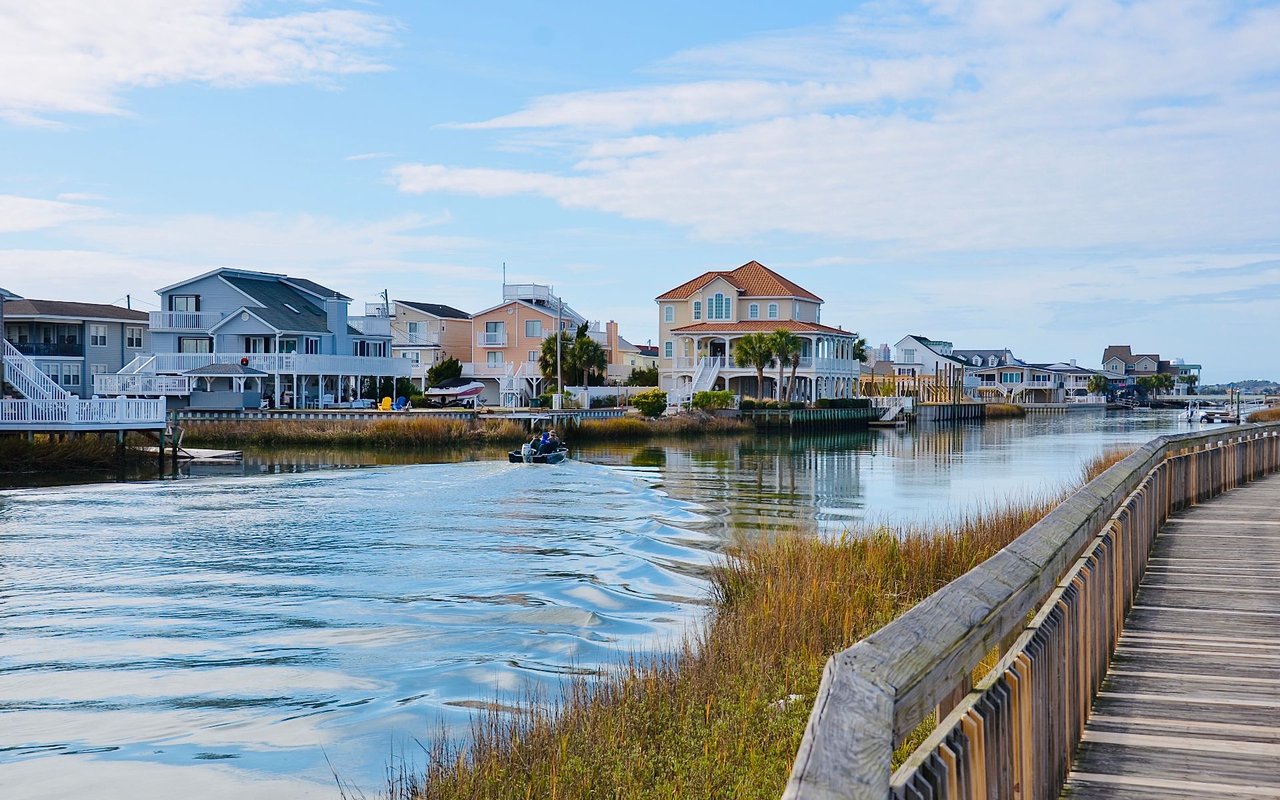
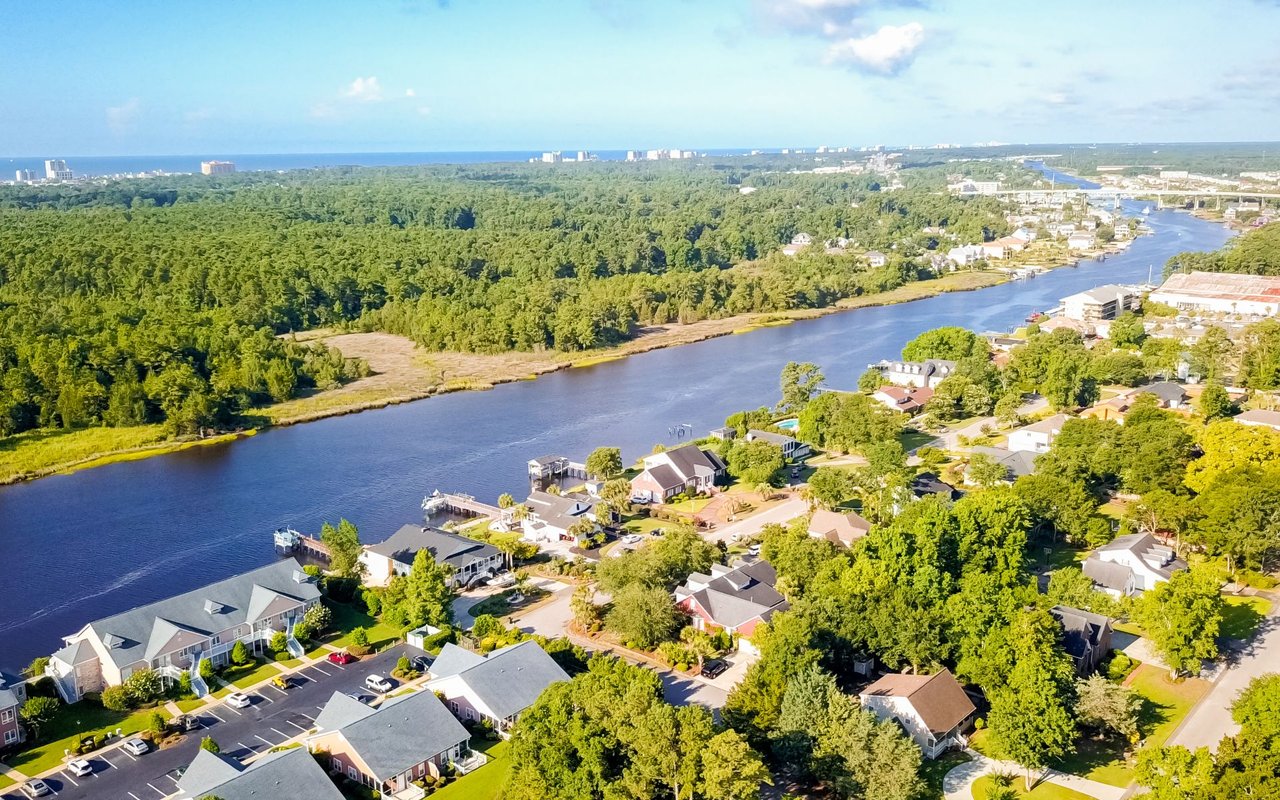
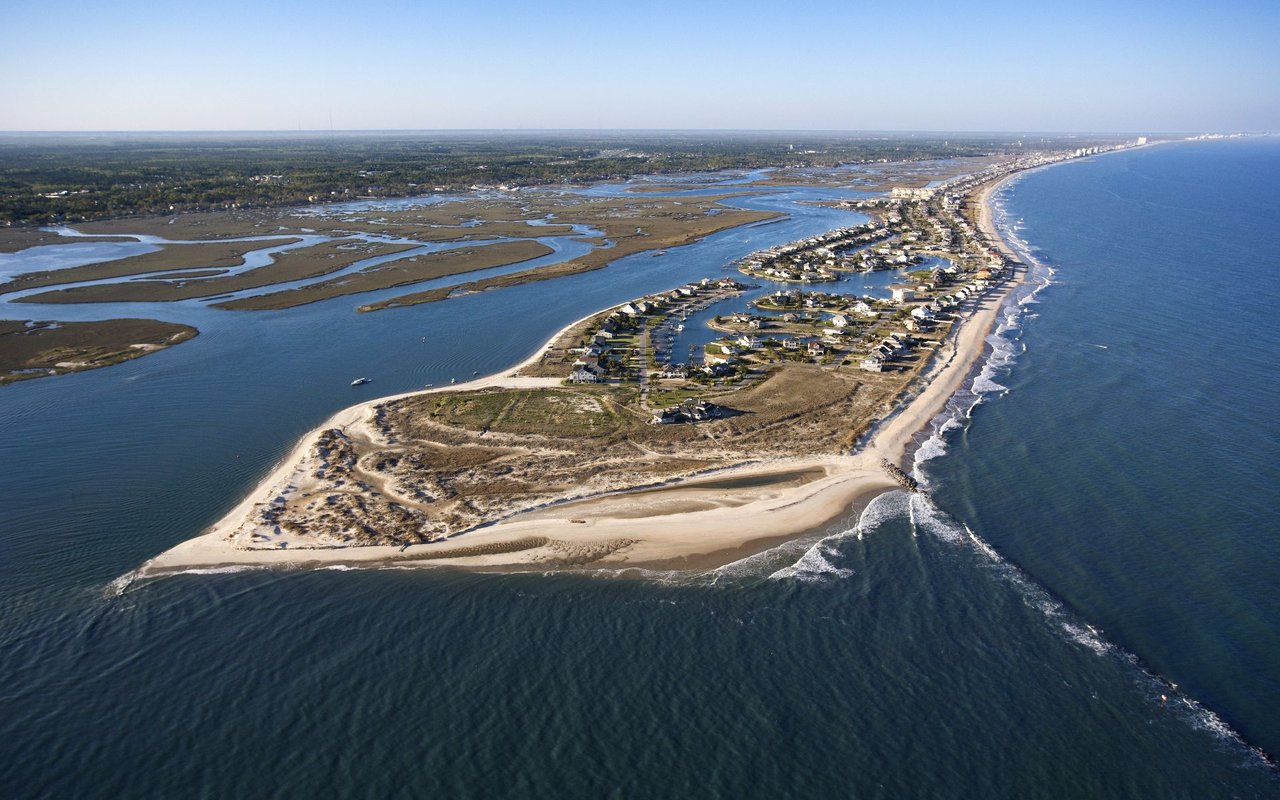
The thing newcomers most often misunderstand is the water itself. Murrells Inlet is not oceanfront in the way Myrtle Beach is. It sits on a tidal estuary—a living salt marsh system separated from the Atlantic by Huntington Beach State Park, the barrier island across the way. Fresh water from the Waccamaw watershed mixes with incoming saltwater tides, creating one of the most productive estuaries on the East Coast.
Practically, this means the inlet behaves like a natural harbor, sheltered from the heavy surf of the open ocean. Residents wake up to marsh grass, wading birds, and the occasional sea turtle rather than breaking waves—and the wide Atlantic beach is still just a short boat ride or a quick drive across the causeway away. For a lot of buyers, that combination of calm water at home and ocean access nearby is the whole appeal.
The Murrells Inlet market is one of the more interesting segments of the Grand Strand right now because it's settling into something healthier than it was a few years ago. The bidding wars and aggressive price jumps of the early 2020s have cooled, and what's left is a more balanced market where buyers actually have room to think, inspect, and negotiate.
Here's where things generally stand:
Metric | Current Range |
|---|---|
Typical home value | ~$345,000–$445,000 |
Average days on market | ~48–104 days |
Sale-to-list price ratio | ~97% of list |
Those numbers shift quite a bit depending on property type and how close you are to the water—a marshfront estate and a golf-course condo can live in completely different price worlds. What I'd take away from this data is simple: sellers are pricing more realistically, and buyers have enough time to do their homework rather than waiving inspections to win a deal.
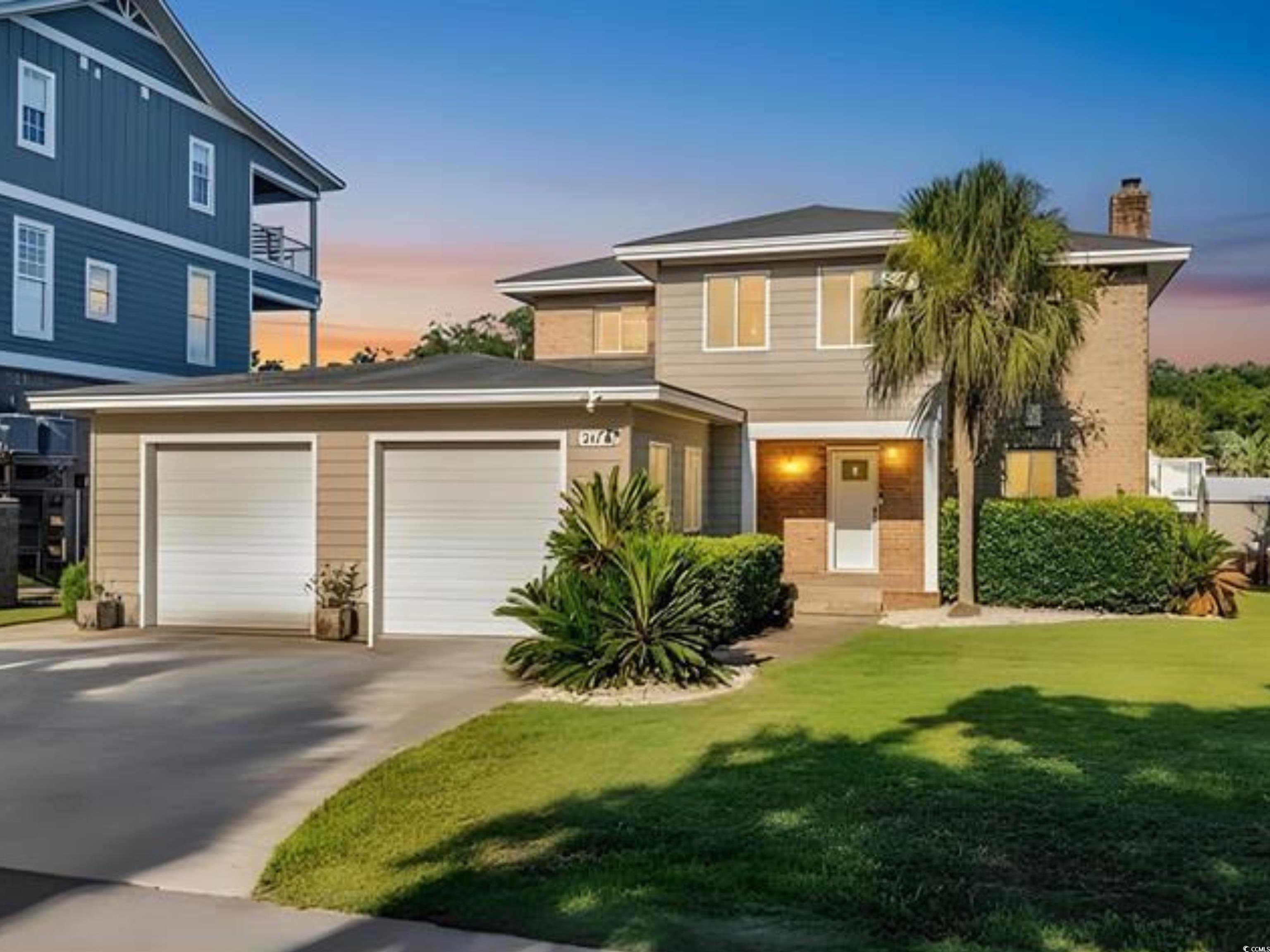
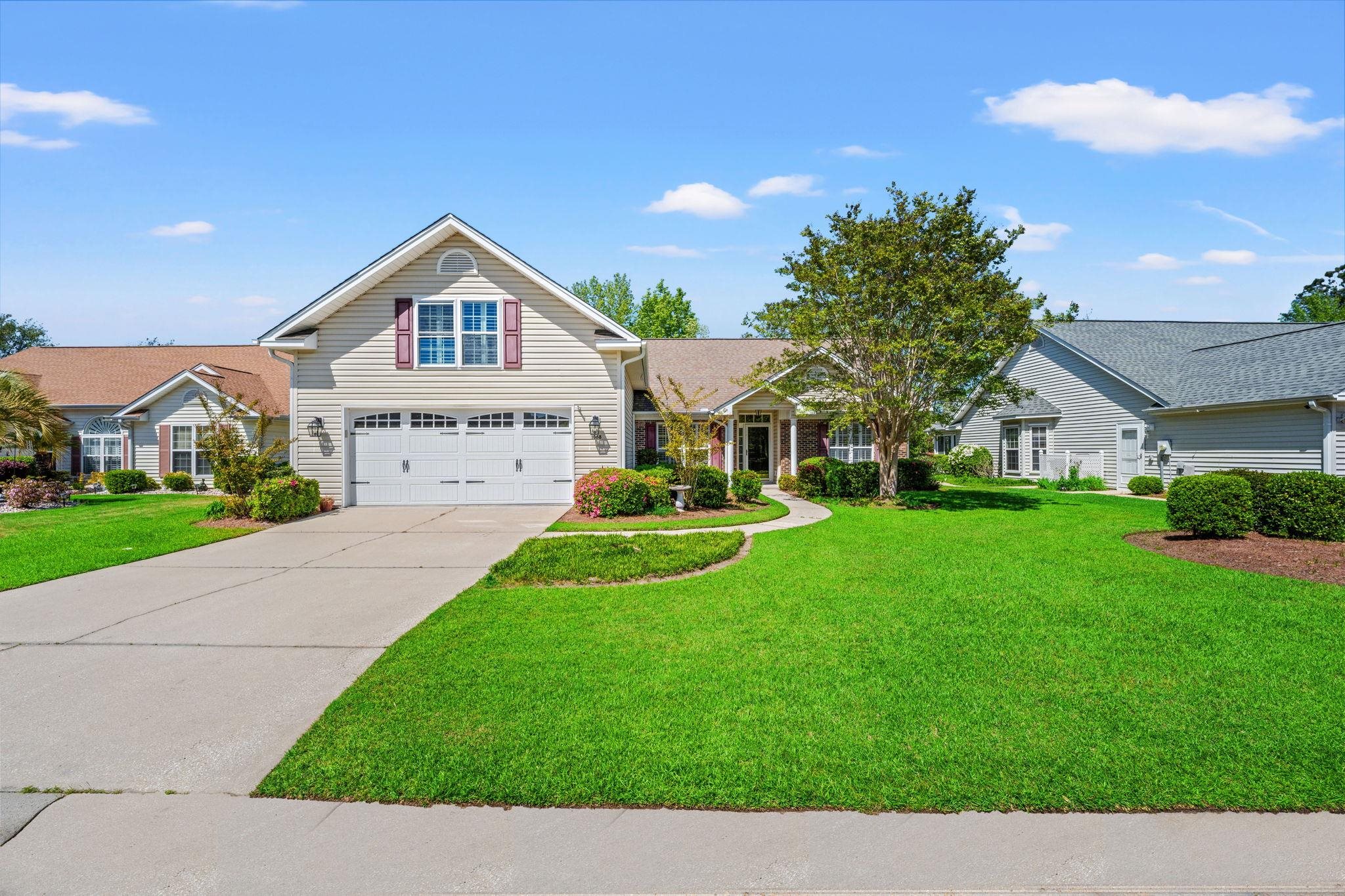
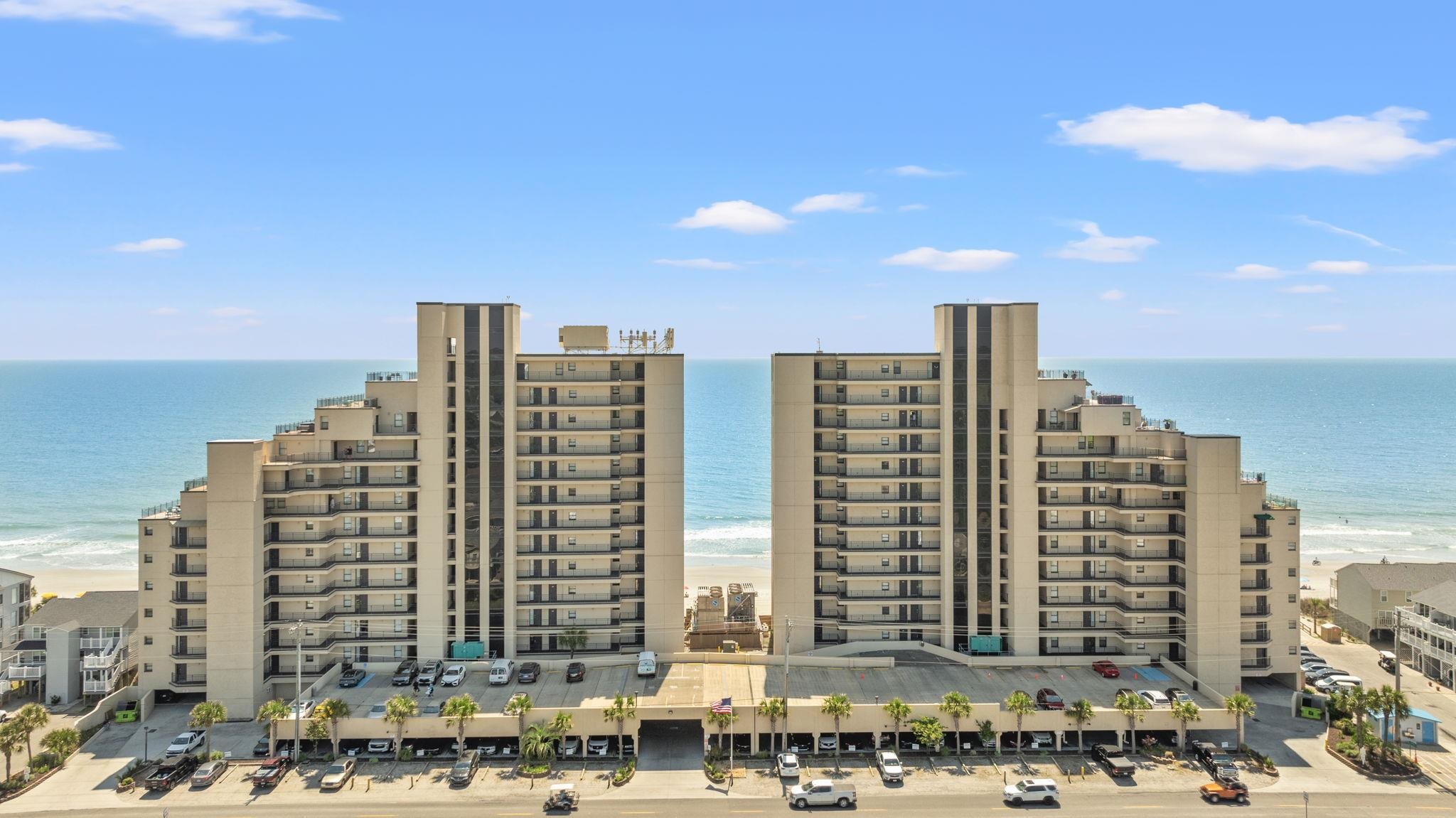
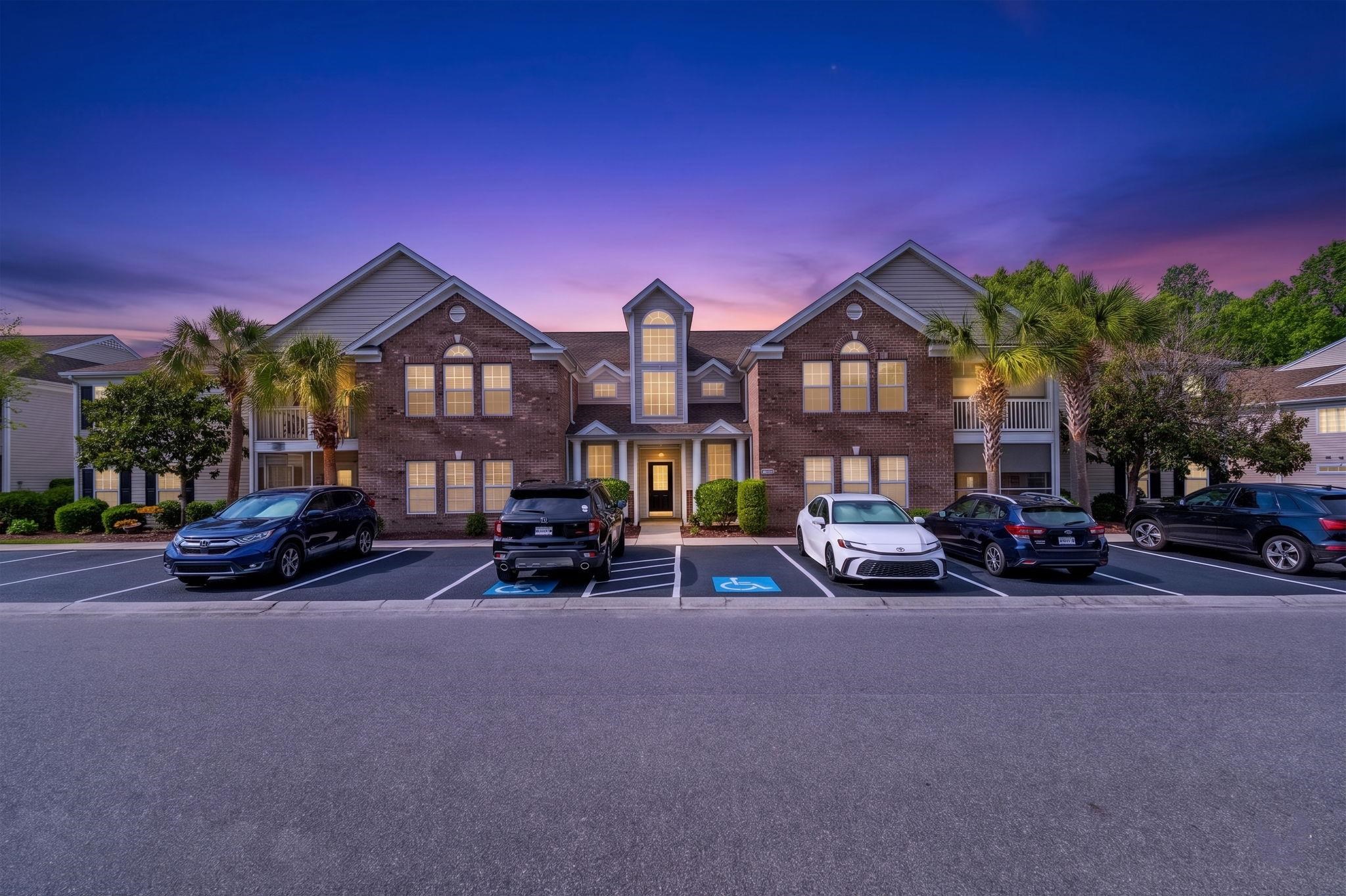
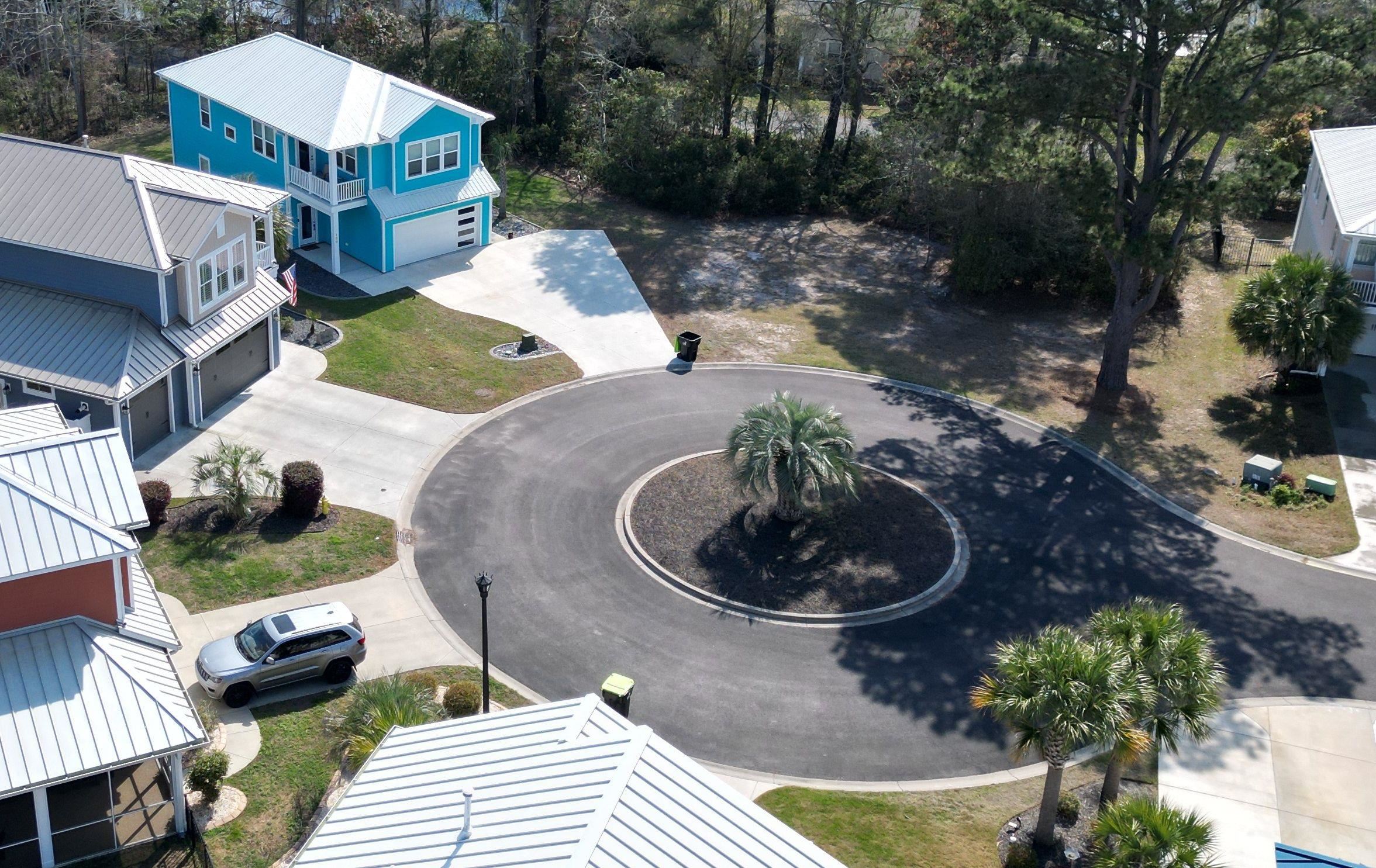
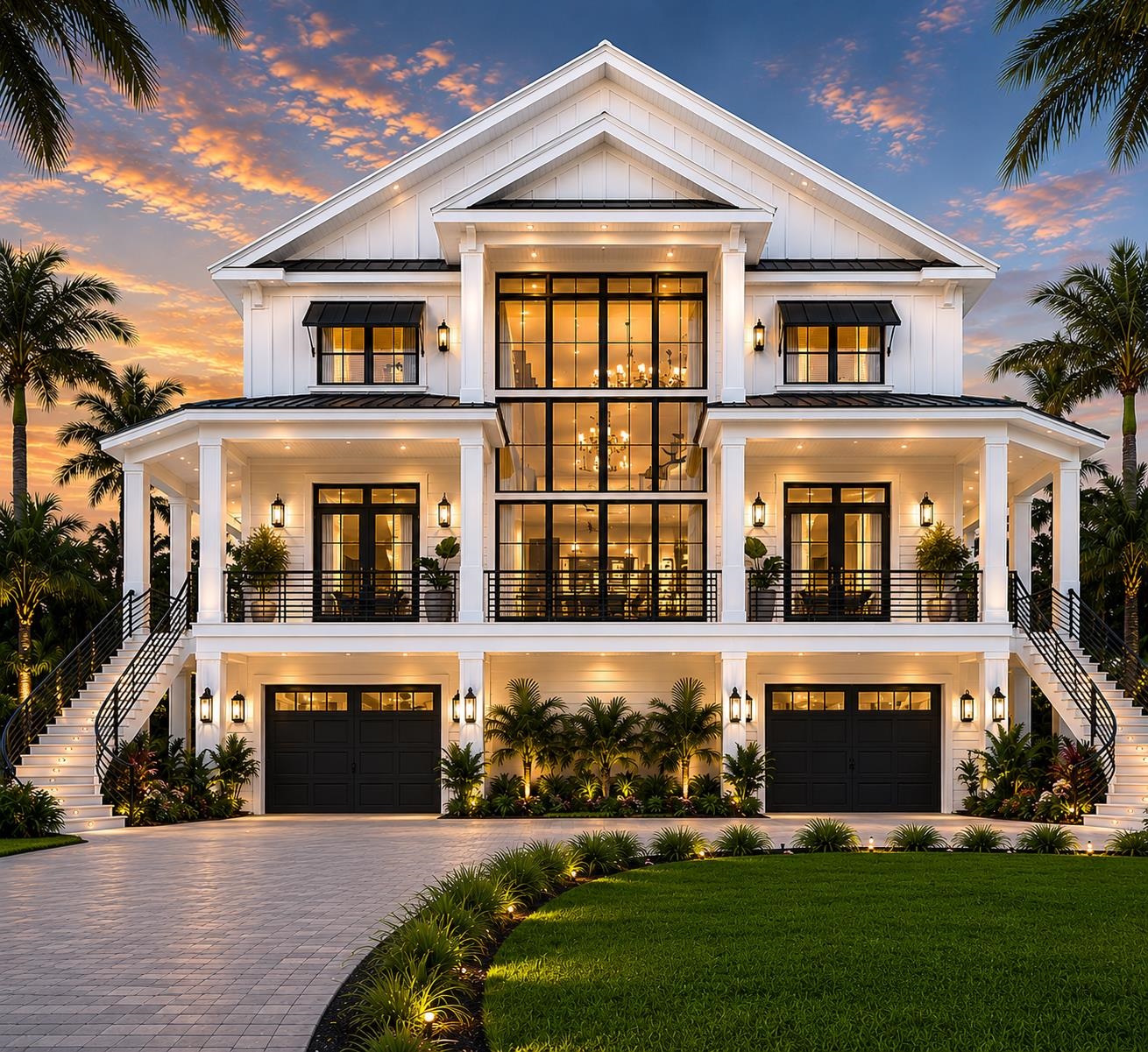
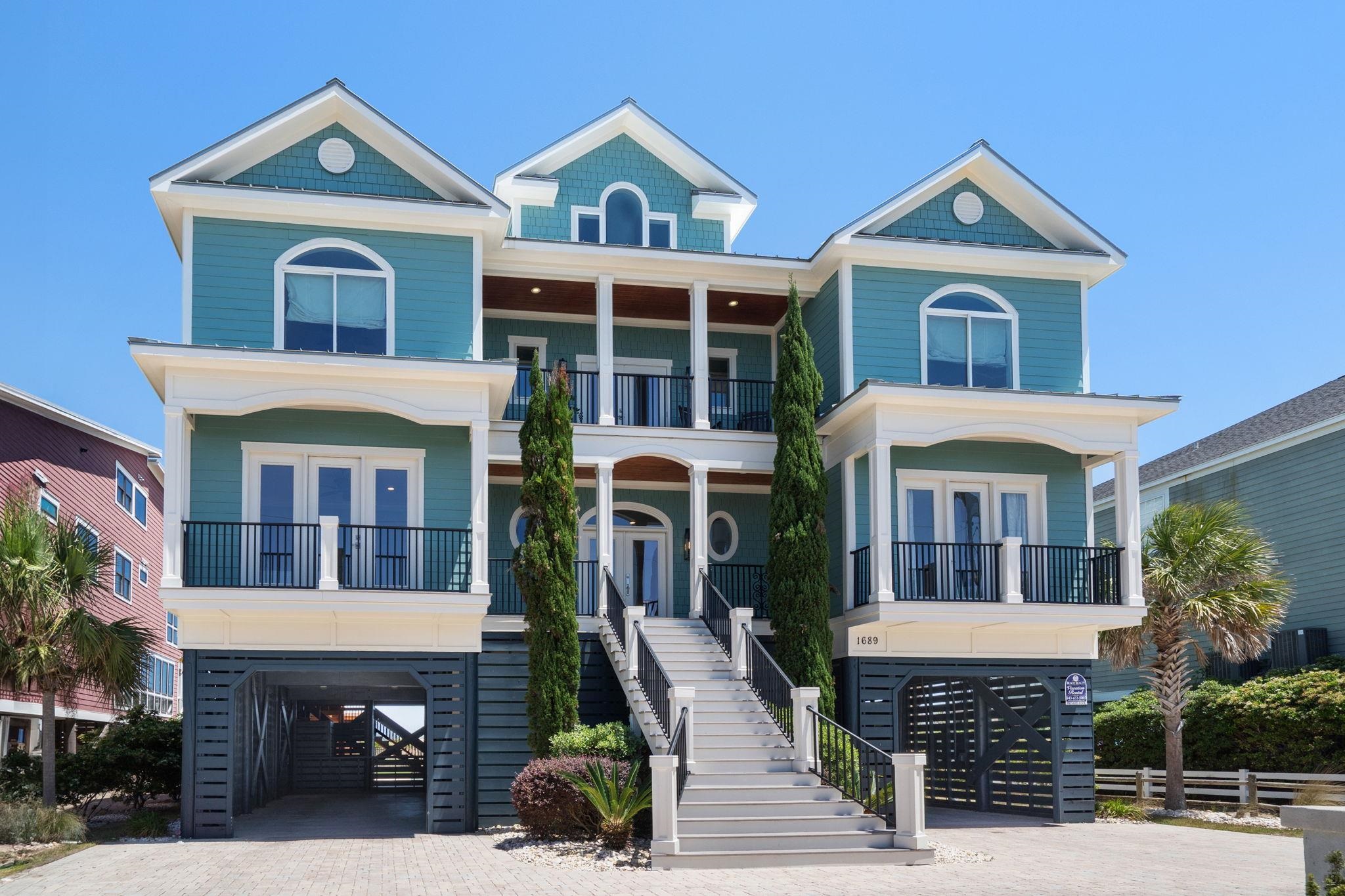
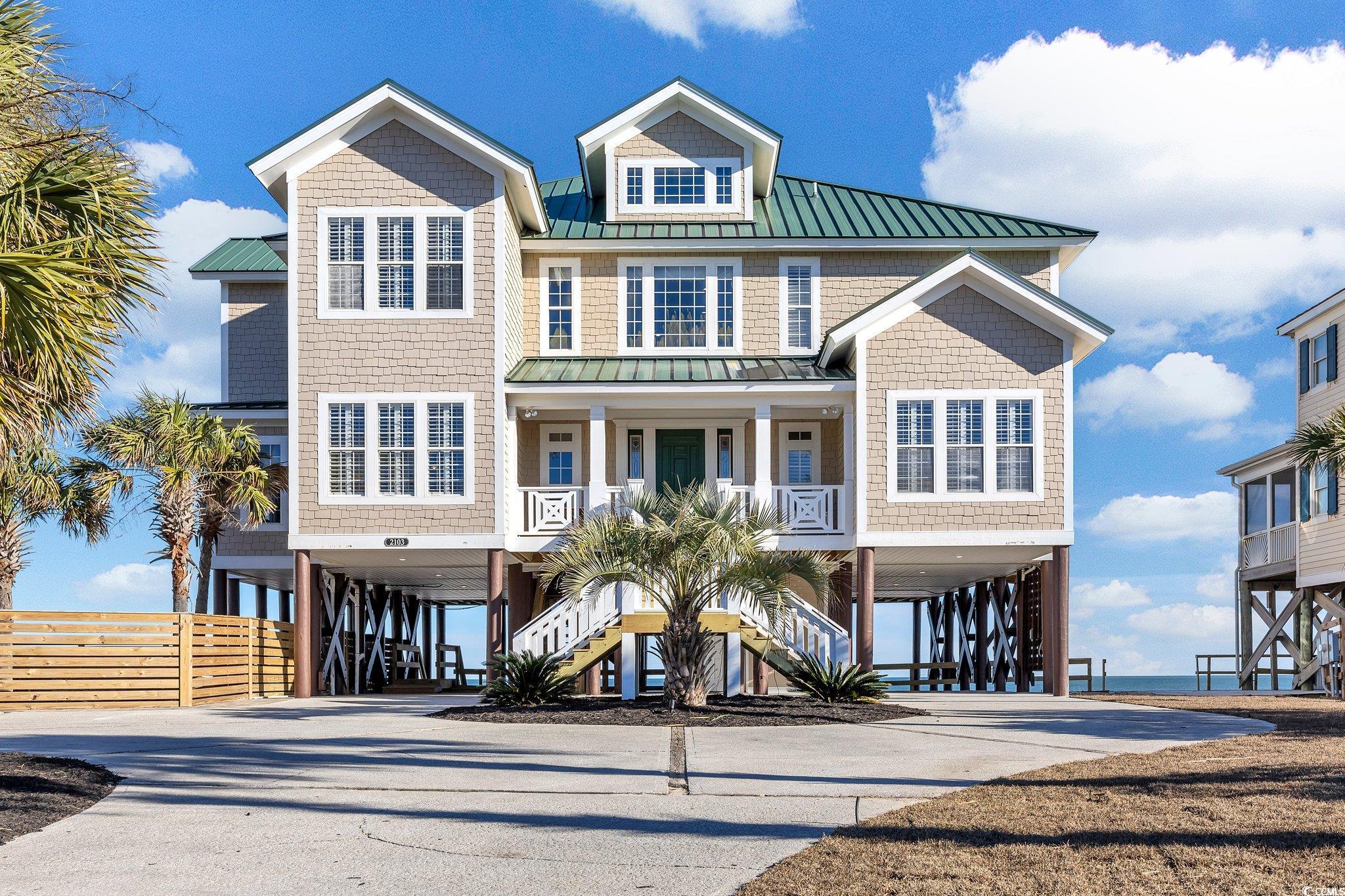
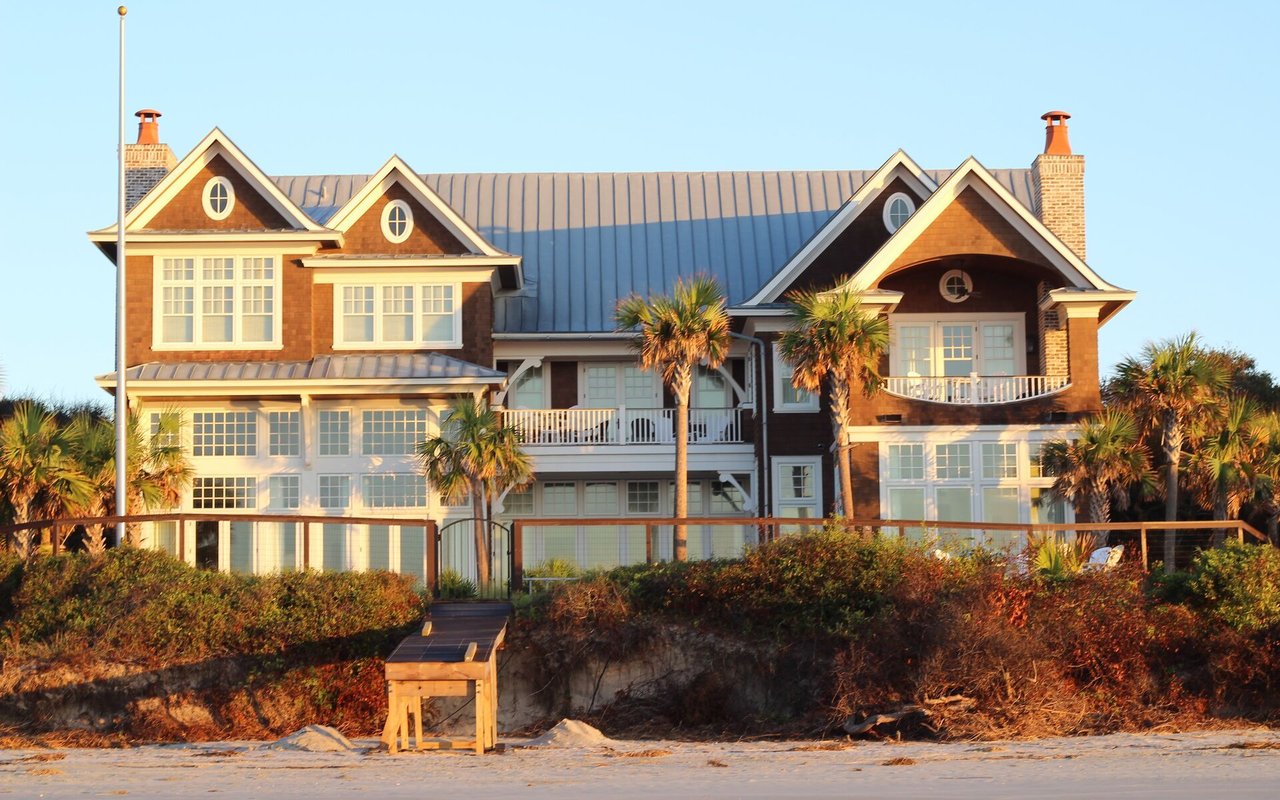
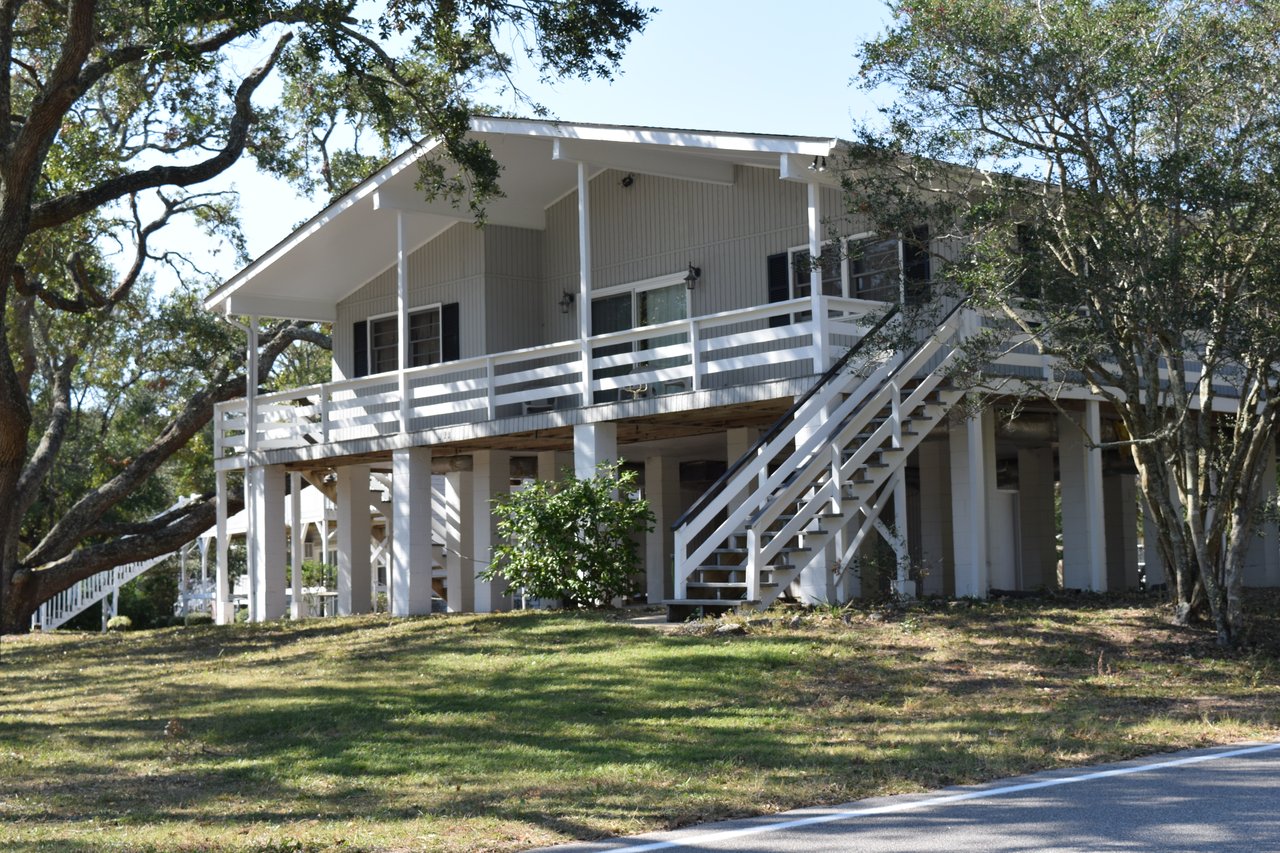
The inventory itself is unusually varied for a town this size. You'll find raised Lowcountry beach houses with metal roofs, multi-story marshfront estates, master-planned suburban communities, and low-maintenance golf condos—often within a few minutes' drive of one another. That range is part of why so many different kinds of buyers find a fit here.
Murrells Inlet isn't one homogeneous market—it's a handful of distinct pockets, each with its own personality. Knowing the difference between them is half the battle when you're house hunting here.
Prince Creek is the crown jewel of the inland side. It's a large master-planned development broken into several sub-neighborhoods, and it tends to draw families and active adults who want amenities and manicured surroundings. It wraps around TPC Myrtle Beach—the only five-star-rated golf course on the Grand Strand—and offers pools, trails, tennis, and fitness facilities. Within it, you'll hear specific names come up often: The Bays at Prince Creek for its active amenities, the gated Collins Creek Landing with custom homes and a private boat launch, and Seasons at Prince Creek, a well-regarded gated 55+ community.
Wachesaw Plantation is the address for buyers who want history and exclusivity. Built on former 18th-century rice plantations along the Waccamaw River and shaded by centuries-old live oaks, it's a private, gated club community with an equity Tom Fazio golf course, a waterfront clubhouse, and access to the Wachesaw Landing marina. It feels worlds away from anything resembling a tourist town.
Creek Harbour is the boater's pick. Sitting on the river side of the inlet, it's a gated community of estate-sized lots and custom homes, with a community boat landing, dedicated storage, and—on many lots—private docks with deep-water access straight to the Intracoastal Waterway.
Finally, the historic waterfront neighborhoods around the MarshWalk offer something entirely different: a walkable, coastal-chic, golf-cart lifestyle. Enclaves like The Hermitage feature multi-million-dollar marshfront estates with private boardwalks over the wetlands, while smaller communities like Creekside Cottages put you a short cart ride from the inlet's best restaurants. If you want to live in the middle of the action, this is where you look.
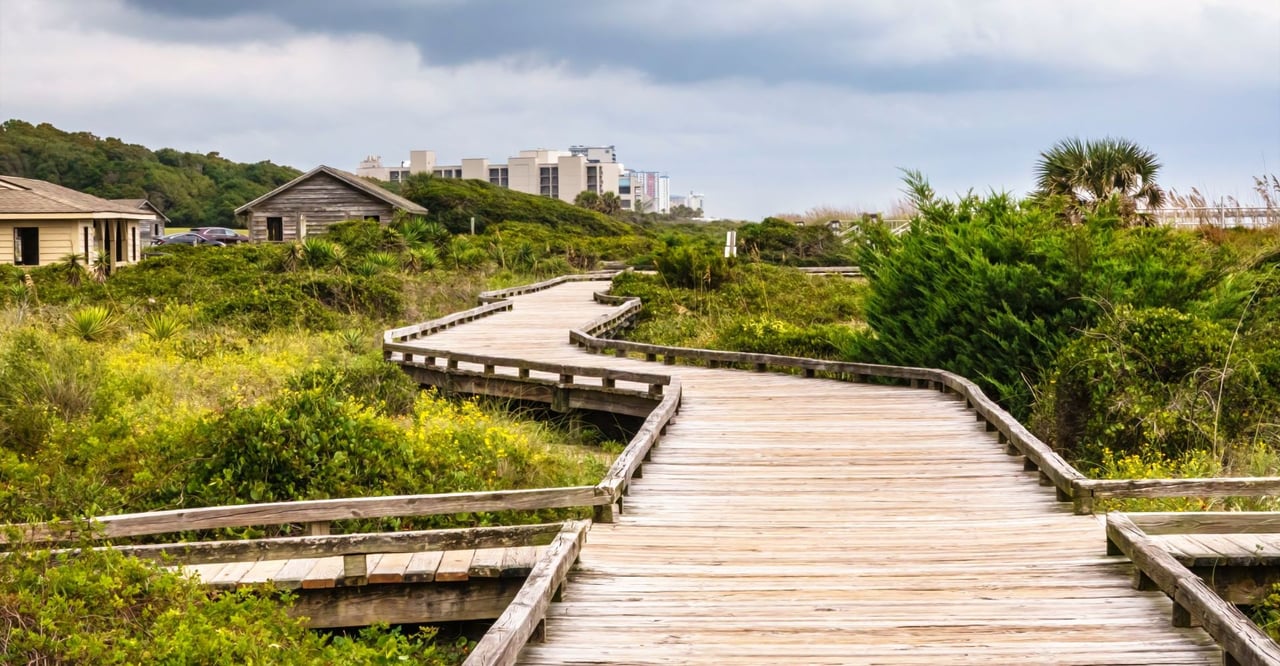
If Murrells Inlet has a heartbeat, you can hear it along the MarshWalk. This half-mile wooden boardwalk runs right along the salt marsh, and unlike a manufactured tourist strip, it's genuinely local—a place where the food, the music, and the view all feed off each other.
The boardwalk is anchored by a lineup of waterfront restaurants, each with its own character. Dead Dog Saloon is the go-to for live music, cold beer, and a sprawling menu. Wicked Tuna runs its own fishing fleet for a true hook-to-plate operation. Drunken Jack's serves classic fried and broiled Lowcountry seafood with a view of Goat Island, where goats actually graze in the warmer months. The Claw House brings a New England lobster-house feel with a big raw bar, and Wahoo's Fish House and Bovine's round things out with fresh-caught fish, wood-fired steaks, and pizzas.
At night the boardwalk shifts gears. It's the nightlife hub of the southern Grand Strand, with multiple decks hosting acoustic acts, rock, and country most evenings. Because it's an open-container district, you can grab a drink at one spot and wander the water to catch a sunset or a band a few doors down. The calendar fills out the rest of the year—Taste of the MarshWalk and Restaurant Week in late winter, the rolling "75 Days of Summer" celebration from June through August, and a big Fourth of July boat parade and fireworks show that draws people from across the Carolinas.
Life here moves with the tides, and for anyone who loves the outdoors, the inlet is essentially a giant natural playground. You can drift through glassy back creeks one morning and head out to the deep blue of the Atlantic the next.
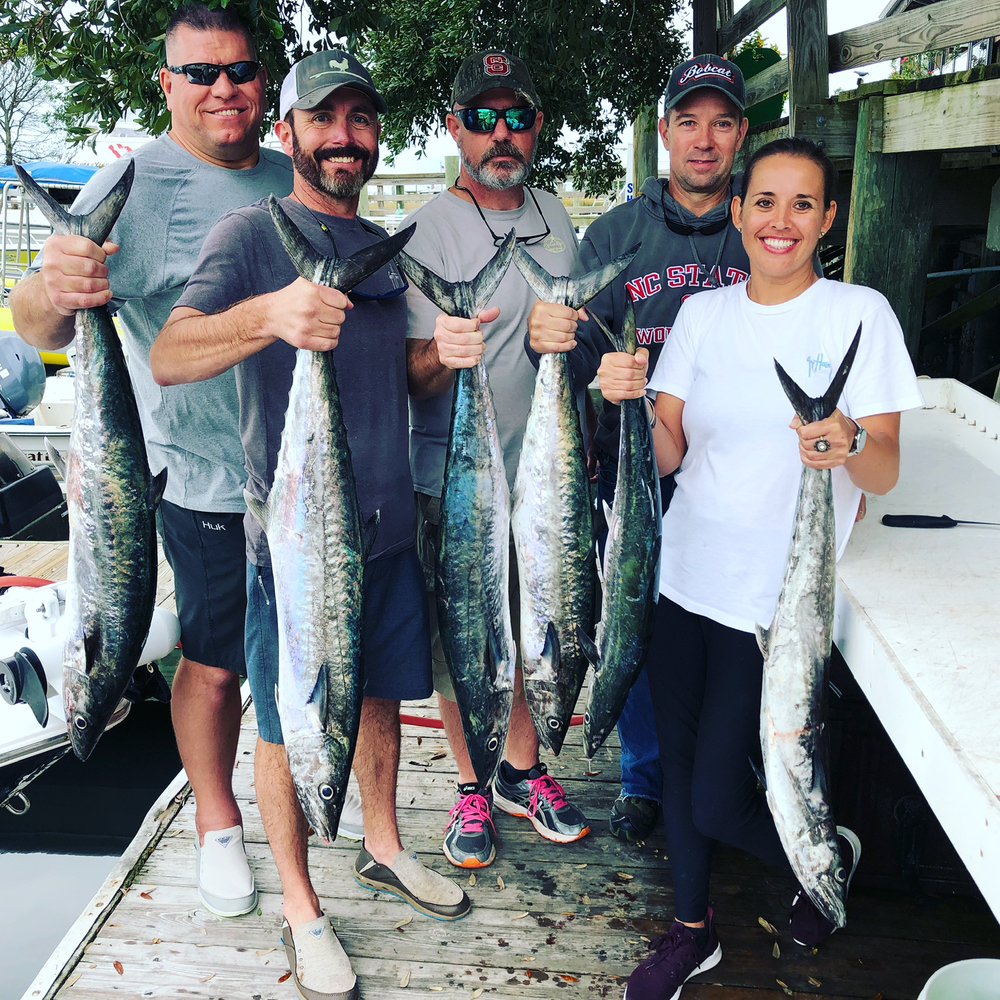
Anglers in particular treat this place as hallowed ground, mostly because you can pick your style of fishing:
You don't need a rod to enjoy the water, though. The inlet's calm, sheltered geography makes it ideal for a range of activities depending on your mood:
Activity | Best For | What to Expect |
|---|---|---|
Kayaking & paddleboarding | Nature lovers | Quiet paddles through Huntington Beach marshes; great for birds and sea turtles |
Pontoon rentals | Families & groups | A cooler, a slow day, and an anchor down at "The Point," the local sandbar gathering spot |
Sunset & eco-cruises | Relaxed sightseeing | Guided tours covering pirate lore, Lowcountry history, and dolphin watching near the jetties |
Jet skiing | Thrill seekers | Open-water runs in the inlet or out past the breakers |
Whether you're watching charter boats unload the day's catch at the docks or slipping through a hidden marsh channel on a paddleboard, recreation here isn't a weekend event. It's just how the days are shaped.
Facing each other across Ocean Highway (U.S. 17), these two properties form the cultural and ecological heart of Murrells Inlet. Together they cover thousands of acres preserved in the 1930s by industrialist Archer Huntington and his wife, the sculptor Anna Hyatt Huntington—a legacy that still shapes the town's identity.
Huntington Beach State Park is the wild, undeveloped counterpoint to the busier oceanfronts nearby—2,500 acres with three miles of open Atlantic beach. Instead of high-rises, you get maritime forest, a freshwater lake, and broad saltwater marshes. It's one of the premier birding spots on the East Coast, with more than 300 species recorded, and a refuge for loggerhead sea turtles and resident alligators. Tucked in the dunes is Atalaya, the Huntingtons' Moorish-style winter home, open for tours and home each September to the popular Atalaya Arts and Crafts Festival. The park also offers 173 well-rated campsites, trails for walking and biking, and excellent surf fishing.
Across the highway, Brookgreen Gardens is something close to a wonder—a 9,127-acre nonprofit preserve built on four former rice plantations and regularly ranked among the best public gardens in the country. It holds the largest collection of American figurative sculpture in the world, with more than 2,000 works set among manicured gardens and 250-year-old oaks. There's a contemporary conservatory with year-round tropical biomes and a living green wall, a Lowcountry Zoo showcasing native animals like river otters, bald eagles, and marsh tackies in naturalized habitats, and seasonal events that draw crowds from far beyond the region—none more beloved than Night of a Thousand Candles each winter.
Because Murrells Inlet sits on a county line, its public-school picture depends entirely on which side of town you live in. The northern section feeds into Horry County Schools; the southern section feeds into the Georgetown County School District. The good news for families is that both pipelines are strong.
On the Horry County side, families fall into the St. James "Shark" cluster, consistently one of the top-performing tracks in the state. St. James Elementary and Intermediate earn high marks for foundational academics and a manageable student-teacher ratio of roughly 16:1. St. James Middle leans into advanced-course preparation alongside solid arts and athletics, and St. James High is known for strong athletics, STEM tracks, and career and technology programs.
On the Georgetown County side, students attend the Waccamaw "Warriors" cluster, which has more of a tight-knit, community-school feel. The elementary and intermediate schools are praised for small classes and individualized attention, the middle school bridges into high school with strong music and arts options, and Waccamaw High—just south in Pawleys Island—frequently ranks among the best public high schools in the state, with competitive academics, strong AP results, and standout baseball, soccer, and golf programs.
For families wanting alternatives, the surrounding area delivers. Coastal Montessori Charter School (grades 1–8) and Bridgewater Academy offer public charter frameworks, while Lowcountry Preparatory School in Pawleys Island provides a rigorous K–12 independent college-prep option with small class sizes.
Here's where Murrells Inlet quietly surprises people. For all its upscale, coastal appeal, it remains far more affordable than comparable beach towns in the Northeast, on the West Coast, or in South Florida. The cost of living sits just slightly above the national average—and that's driven almost entirely by real estate desirability, not by everyday expenses. Groceries, utilities, healthcare, and gas all track close to or below national norms. Sales tax runs 7% (6% state plus a 1% Georgetown County capital projects tax).
The real story is property taxes, and it's worth understanding before you buy. South Carolina has some of the lowest property taxes in the country, but it uses a strict two-tier system based on how you use the home:
One thing I tell every client at closing: the 4% rate is not automatic. You have to file paperwork with the Horry or Georgetown County Assessor's Office (whichever your home falls under) to prove the property is your legal residence. Miss that step and you'll pay the higher rate by default—so it's the first thing to handle once you have the keys.
Buying on the edge of a tidal marsh comes with views you can't put a price on—and a layer of due diligence that an inland buyer never has to think about. If you're considering anything on the water here, three things deserve your full attention.
First, flood insurance is part of the math. Any home along the marsh or creeks will need an elevation certificate and a specialized flood policy, especially with a mortgage. Pay attention to whether the home sits in an AE zone (still-water flooding, 1% annual chance) or a higher-risk VE zone (exposed to storm-driven wave action). Modern homes in these areas are built up on pilings—those "raised beach houses"—precisely to reduce risk and bring premiums down.
Second, docks are regulated, not assumed. You can't simply buy a waterfront lot and build a dock. South Carolina's Office of Ocean and Coastal Resource Management strictly controls tidal docks, so you'll want to confirm an existing dock is properly permitted or that the lot meets the marsh-frontage width rules to qualify for a new one. Just as important is understanding the tides: the inlet runs on semi-diurnal tides that swing roughly every six hours, so a creek with six feet of water at high tide can be exposed pluff mud at low tide. Know whether a dock offers true deep-water access (usable anytime) or is a tidal-creek dock (usable only a few hours around high tide). Seasonal "king tides" can temporarily swamp low-lying docks and walkways, too.
Third, the salt air never takes a day off. Between humidity, intense sun, and salt, exterior maintenance is a permanent line in the budget. Traditional wood needs regular sealing to fend off rot, which is why the better coastal builders here lean on fiber-cement siding like HardiePlank, stainless or galvanized fasteners, and impact-rated windows that can take both wind and corrosion.
It's worth going one level deeper on flooding, because the inlet's risk profile is different from the barrier islands nearby. Where a place like Pawleys Island contends with high-velocity ocean waves, Murrells Inlet's main hazard is inland inundation and back-flooding from the marsh and tidal creek network.
FEMA sorts local properties into a few categories, and your distance from the water largely decides which one applies to you. VE zones are the high-velocity areas directly exposed to open water and marsh, with the strictest building rules and homes elevated well above base flood elevation. AE zones, common along marsh edges and low creeks, face still-water flooding, and a mortgage there makes flood insurance mandatory. X zones, found further inland in communities like parts of Prince Creek and Blackmoor, are moderate-to-low risk—lenders don't require coverage, though plenty of owners carry a preferred-risk policy anyway, since heavy Lowcountry rain can still overwhelm local drainage.
One modern wrinkle worth knowing: the National Flood Insurance Program now prices policies through a system called Risk Rating 2.0. Rather than pricing strictly off your zone color on a map, FEMA evaluates each property individually—its exact distance from water, foundation type, elevation certificate, and local rebuild cost all factor in. The practical buyer's move is to always request the current owner's flood insurance declaration page and elevation certificate while you're touring. Transferring or grandfathering an existing policy is often considerably cheaper than opening a fresh one without documentation.
For a town that still feels like a fishing village on the water, Murrells Inlet has accumulated a surprising amount of polish just behind it—world-class golf, easy daily shopping, and serious healthcare all within reach.
Golf is a genuine draw here, with courses designed by some of the game's biggest names. TPC Myrtle Beach, a Tom Fazio design, is the only Grand Strand course to earn a five-star rating from Golf Digest and has hosted championship events. Wachesaw Plantation Club offers a second, more exclusive Fazio layout winding through the live oaks along the Waccamaw. Blackmoor Golf Club is the area's only Gary Player design, known for clever, player-friendly risk-reward holes, and the International Club of Myrtle Beach rounds things out with pristine greens and a lively clubhouse popular with locals.
Day-to-day, you rarely need to leave the inlet. The Inlet Square Mall corridor and surrounding shopping centers cover groceries and essentials through Publix, Kroger, and Food Lion, with Costco and Sam's Club about fifteen minutes away. Local boutiques along Highway 17 Business near the MarshWalk are the spot for Lowcountry home decor and gifts, and The Market Common—an upscale, walkable lifestyle center fifteen minutes north—adds a movie theater, higher-end retail, and trendy dining when you want it.
For many buyers, especially retirees, the strongest amenity is healthcare. The town is anchored by Tidelands Waccamaw Community Hospital, a center of excellence for joint replacement, spine surgery, and critical care, surrounded by a dense network of medical pavilions, specialists, and urgent care clinics. World-class care is rarely more than a few blocks away—and in a coastal retirement town, that's not a small thing.
After years of helping people buy and sell here, I've found Murrells Inlet tends to fit three groups especially well—though for different reasons.
Retirees form the backbone of the community; the median age sits around 60, and many residents came here to trade harsh Northern winters or high-tax cities for something gentler. The draw is obvious: 55+ master-planned neighborhoods like Seasons at Prince Creek with low-maintenance lawns, social clubs, and single-story layouts, plus that combination of top-tier healthcare, abundant golf, very low primary-residence taxes, and a marsh-paced lifestyle. For active adult living, it's about as easy a choice as the Grand Strand offers.
Families have arrived in growing numbers over the past few years—younger professionals, remote workers, and educators drawn by the balance of coast and calm. Instead of central Myrtle Beach's high-energy tourism, they get safe, manicured neighborhoods with HOAs, community pools, and bike paths, feeding into two of the state's stronger school clusters. Weekends here trade amusement parks for crabbing in the creek, hiking Huntington Beach, and youth leagues at the local sports complexes.
Investors find a more nuanced opportunity than a typical beach market. The owner-occupancy rate sits around 86%, which signals a stable, pride-of-ownership community with low turnover and little rental saturation in traditional neighborhoods. That opens two paths: low-maintenance golf condos for steady long-term rental income from remote workers and medical staff, or higher-ROI short-term rentals near the MarshWalk and beaches. Because Georgetown and Horry County frameworks tend to be more stable than the shifting city codes in central Myrtle Beach, the landscape is fairly predictable—just always read the specific neighborhood HOA covenants before you commit.
In the end, choosing where to live comes down to whether a town's natural rhythm matches your own. A few honest considerations to help you decide.
You'll likely love it here if you prioritize nature over nightlife. The MarshWalk delivers great music and energy in the evening, but the town winds down early compared to a city—the focus is squarely on sunrises, boat days, wildlife, and the outdoors. You'll also thrive here if you want coastal life without the tourist chaos, since you can dip into Myrtle Beach for a concert or an outlet run and then come home to a quiet, tree-lined town that feels firmly removed from the crowds. And if you like the idea of a golf-cart community, you'll fit right in—many neighborhoods let residents cart over to the grocery store, the pharmacy, or dinner on the water.
You might want to reconsider, though, if your dream is a back porch opening directly onto crashing Atlantic waves. Remember, this is a tidal estuary—for true oceanfront, you'd look slightly north to Garden City Beach or south to the oceanfront strip of Pawleys Island. You may also chafe if you dislike strict neighborhood rules, since most of the newer, most desirable communities (Prince Creek especially) run proactive HOAs; commercial vehicles, exposed boat storage, and skipping monthly fees mean hunting down older, unrestricted lots on the edges of town. And if your career depends on a dense corporate or industrial hub, the local economy—built on healthcare, hospitality, tourism, education, and real estate—may feel limiting unless you're bringing a remote role with you.
For the right person, none of those tradeoffs are dealbreakers. They're just the fine print on one of the most distinctive coastal towns in the Carolinas.
If you're weighing a move to Murrells Inlet—or thinking about selling here—it helps to have someone who knows these neighborhoods street by street, from which lots qualify for a dock permit to which side of the county line your future home falls on. That's where Jan and Dan Sitter of Coastal Beach Homes LLC come in. As licensed South Carolina REALTORS® who specialize in the Myrtle Beach area and the southern Grand Strand, they bring genuine local expertise, straightforward guidance, and a hands-on approach to every transaction—staying in close communication with you before, during, and long after closing. Whether you're buying your first marshfront cottage, listing a longtime family home, or building an investment portfolio along the coast, they'd be glad to help you do it right.
Reach out to Jan and Dan Sitter | Coastal Beach Homes:
There's plenty to do around Murrells Inlet, including shopping, dining, nightlife, parks, and more. Data provided by Walk Score and Yelp.
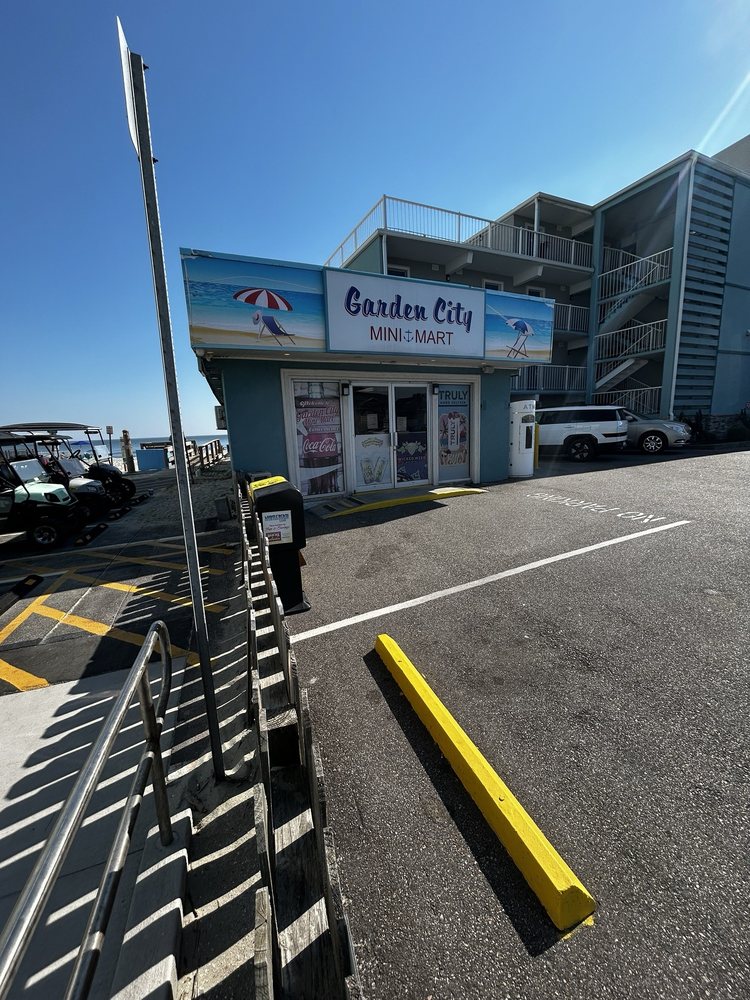
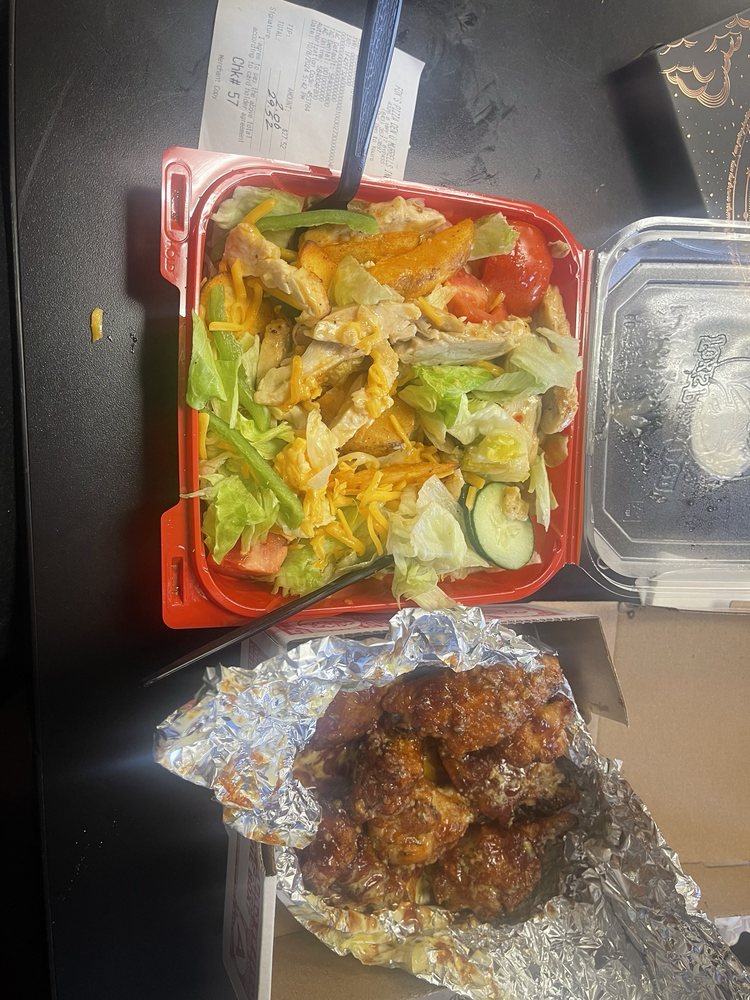
Explore popular things to do in the area, including Garden City Mini Mart, Dannabelle's Desserts and Catering, and Toasted Tee Pub & Grub.
| Name | Category | Distance | Reviews |
Ratings by
Yelp
|
|---|---|---|---|---|
| Dining | 0.46 miles | 0 reviews | 0/5 stars | |
| Dining | 0.46 miles | 0 reviews | 0/5 stars | |
| Dining · $$ | 0.71 miles | 5 reviews | 3/5 stars | |
| Dining · $ | 0.87 miles | 25 reviews | 3/5 stars | |
| Dining | 0.89 miles | 7 reviews | 4.9/5 stars | |
| Dining · $ | 0.9 miles | 26 reviews | 3.8/5 stars | |
| Dining · $ | 0.91 miles | 16 reviews | 2.3/5 stars | |
| Dining · $ | 0.92 miles | 47 reviews | 3.6/5 stars | |
| Dining · $ | 0.95 miles | 141 reviews | 3.7/5 stars | |
| Dining · $$ | 1.01 miles | 287 reviews | 3.7/5 stars | |
| Dining | 1.02 miles | 0 reviews | 0/5 stars | |
| Dining | 1.02 miles | 0 reviews | 0/5 stars | |
| Active | 0.45 miles | 1 review | 1/5 stars | |
| Active | 0.46 miles | 0 reviews | 0/5 stars | |
| Active | 0.46 miles | 0 reviews | 0/5 stars | |
| Active | 0.54 miles | 2 reviews | 1.5/5 stars | |
| Active | 0.65 miles | 0 reviews | 0/5 stars | |
| Active | 0.67 miles | 22 reviews | 2.9/5 stars | |
| Active | 0.8 miles | 2 reviews | 1/5 stars | |
| Active | 0.97 miles | 0 reviews | 0/5 stars | |
| Active | 1.03 miles | 1 review | 5/5 stars | |
| Beauty | 0.93 miles | 0 reviews | 0/5 stars | |
| Beauty | 1.05 miles | 0 reviews | 0/5 stars | |
| Beauty | 1.05 miles | 0 reviews | 0/5 stars | |
|
|
||||
|
|
||||
|
|
||||
|
|
||||
|
|
||||
|
|
Murrells Inlet has 16,047 households, with an average household size of 2.04. Data provided by the U.S. Census Bureau. Here’s what the people living in Murrells Inlet do for work — and how long it takes them to get there. Data provided by the U.S. Census Bureau. 32,975 people call Murrells Inlet home. The population density is 1,082 and the largest age group is Data provided by the U.S. Census Bureau.
Total Population
Population Density Population Density This is the number of people per square mile in a neighborhood.
Median Age
Men vs Women
Population by Age Group
0-9 Years
10-17 Years
18-24 Years
25-64 Years
65-74 Years
75+ Years
Education Level
Total Households
Average Household Size
Average individual Income
Households with Children
With Children:
Without Children:
Marital Status
Blue vs White Collar Workers
Blue Collar:
White Collar:
When you hire Jan and Dan, you get a team of professional real estate agent diligently working together on your behalf. They are knowledgeable and experienced professionals you can trust to best represent your interests in our unique market.
JAN AND DAN SITTER | COASTAL BEACH HOMES
ADDRESS
9628 N KINGS HWY
MYRTLE BEACH SC 29572