Surfside Beach SC Real Estate & Lifestyle Guide
A quiet, residential, seaside community located just five miles south of Myrtle Beach.
A quiet, residential, seaside community located just five miles south of Myrtle Beach.

4,217 people live in Surfside Beach, where the median age is 55.4 and the average individual income is $43,610. Data provided by the U.S. Census Bureau.
Total Population
Median Age
Population Density Population Density This is the number of people per square mile in a neighborhood.
Average individual Income
Surfside Beach isn't just another stretch of South Carolina coastline—it's a deliberately preserved two-mile community that has earned its nickname, "The Family Beach," through decades of intentional zoning, accessibility leadership, and a fierce commitment to staying low-key while Myrtle Beach grew louder next door. If you're considering a move, an investment property, or a retirement landing spot here, the differences between streets, zones, and property types matter far more than they do in larger markets. This guide breaks down what you actually need to know.
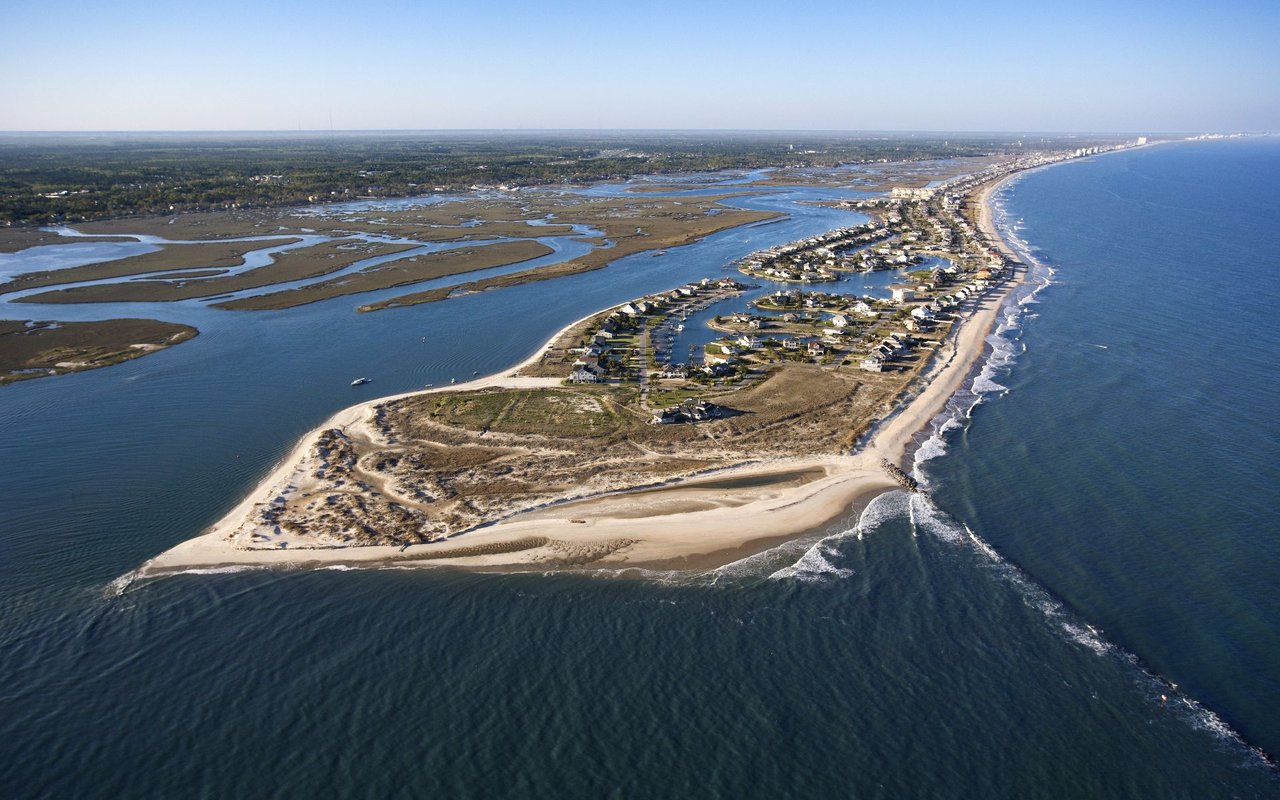
Incorporated in 1964 and sitting just southwest of Myrtle Beach, Surfside Beach packs a remarkable amount of personality into its two-mile coastline. The town's identity is built around three pillars: family-friendly accessibility, a small-town pier culture, and strict zoning that has kept high-rises and neon out of the picture entirely.
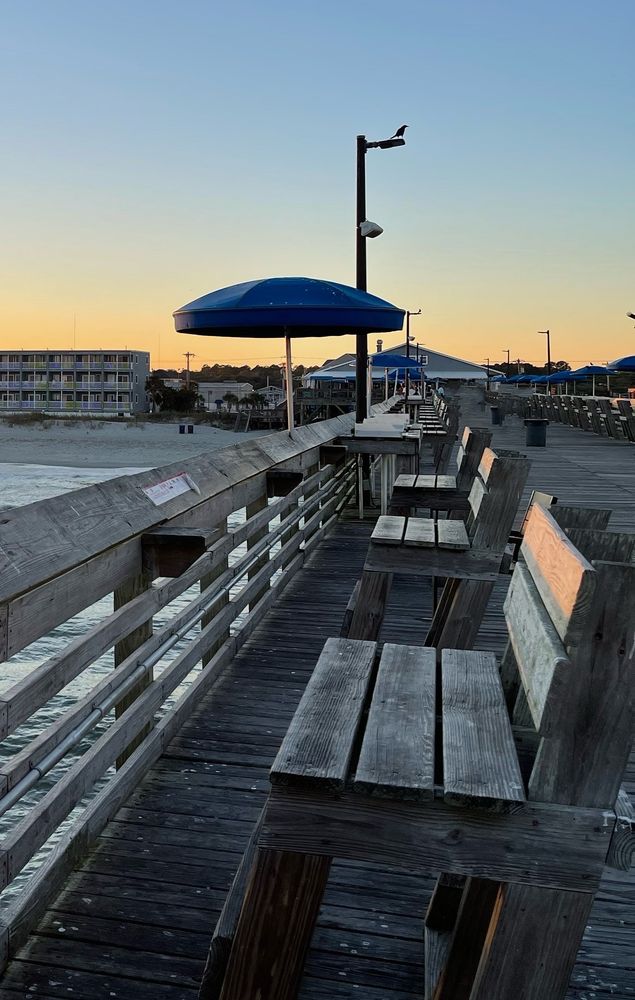
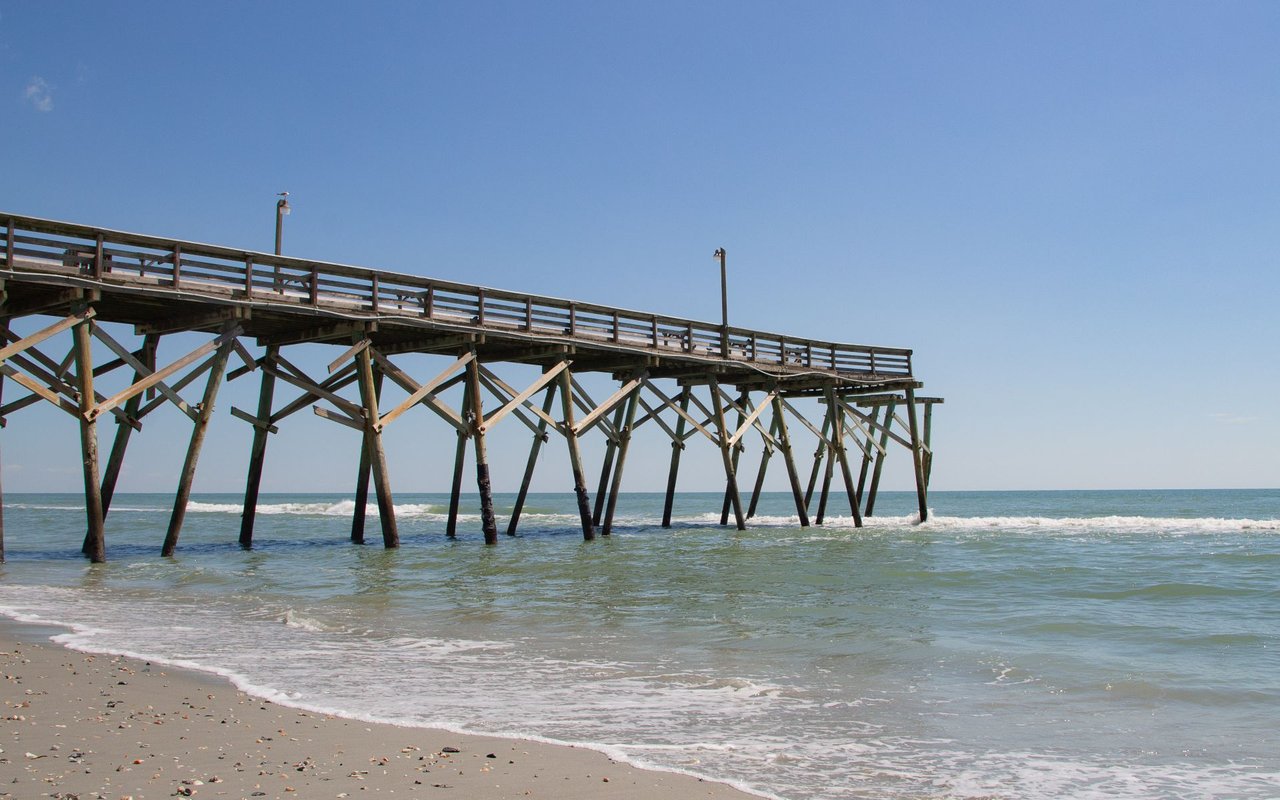
In 2016, Surfside Beach became the first certified autism-friendly travel destination in the United States, a designation backed by sensory-friendly dining, daily lifeguards, beach wheelchairs available free through the police department, and accessible ramps at multiple beach access points. The newly rebuilt concrete Surfside Beach Fishing Pier anchors the town's Pier Village—a walkable cluster of open-air restaurants, ice cream shops, and local boutiques where flip-flops are the standard dress code.
Life here moves at a different speed. Seven public parks host bocce tournaments, tennis matches, and Sunday evening live music under live oaks. Golf carts share the roads legally and conveniently. The Atlantic is never more than a short ride away. It's the kind of place where neighbors know each other year-round, and that's not an accident—it's the result of zoning choices the town has defended for sixty years.
Surfside Beach operates as a two-tier coastal market, and understanding which tier you're shopping in matters more than any single headline statistic. The overall median sale price across all property types now sits around $532,000, reflecting a modest 2.7% year-over-year increase heading into spring 2026. But that number blends small inland condos with multi-million-dollar oceanfront rentals, so it can be misleading.
Detached single-family homes tell a different story. Their median has climbed to roughly $825,000, a 6.2% jump from 2025. Meanwhile, when you factor in the volume of smaller condos and inland townhomes, the typical home value index lands closer to $350,000 to $360,000, which keeps entry-level coastal ownership genuinely accessible. Price per square foot averages about $322 town-wide but climbs to $540 in ocean-adjacent and turnkey corridors.
The market currently leans toward sellers, with inventory hovering around 330 to 400 active listings—not tight, but not flooded either. Premium turnkey single-family homes are moving in 34 to 38 days, while the broader market averages 55 to 83 days. The sale-to-list ratio sits around 96.7% to 98%, meaning sellers are getting close to asking but rarely above it. That gap is where prepared buyers find leverage.
One trend worth watching: oceanfront and "beachwalk" corridors have appreciated 7% to 9% year-over-year, driven largely by short-term rental demand. Inland pockets are appreciating more modestly at 3% to 4%. If you're buying for income, the front rows are still where the math works hardest. If you're buying for lifestyle and long-term value, the inland subdivisions offer more home for the money.
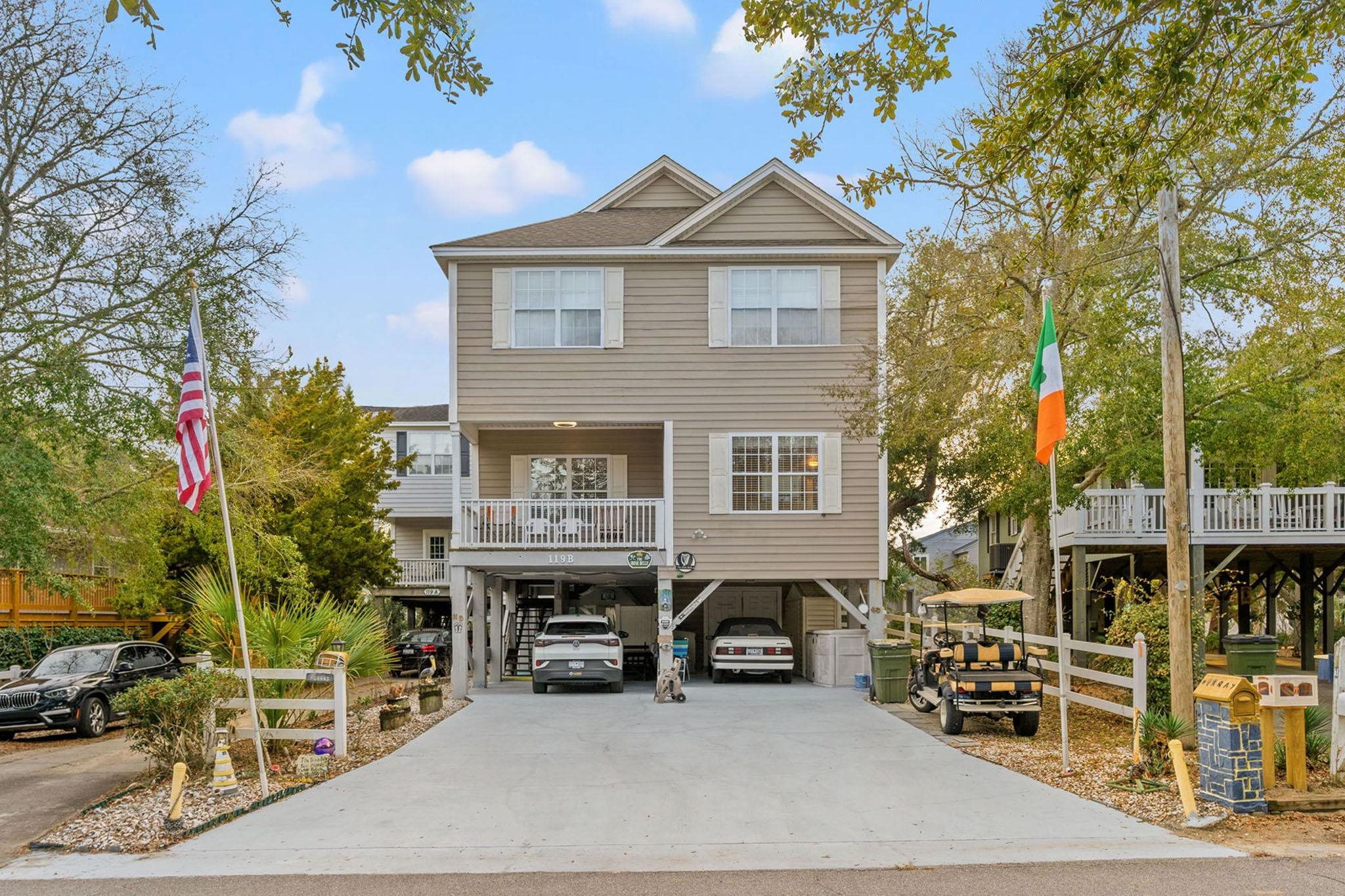
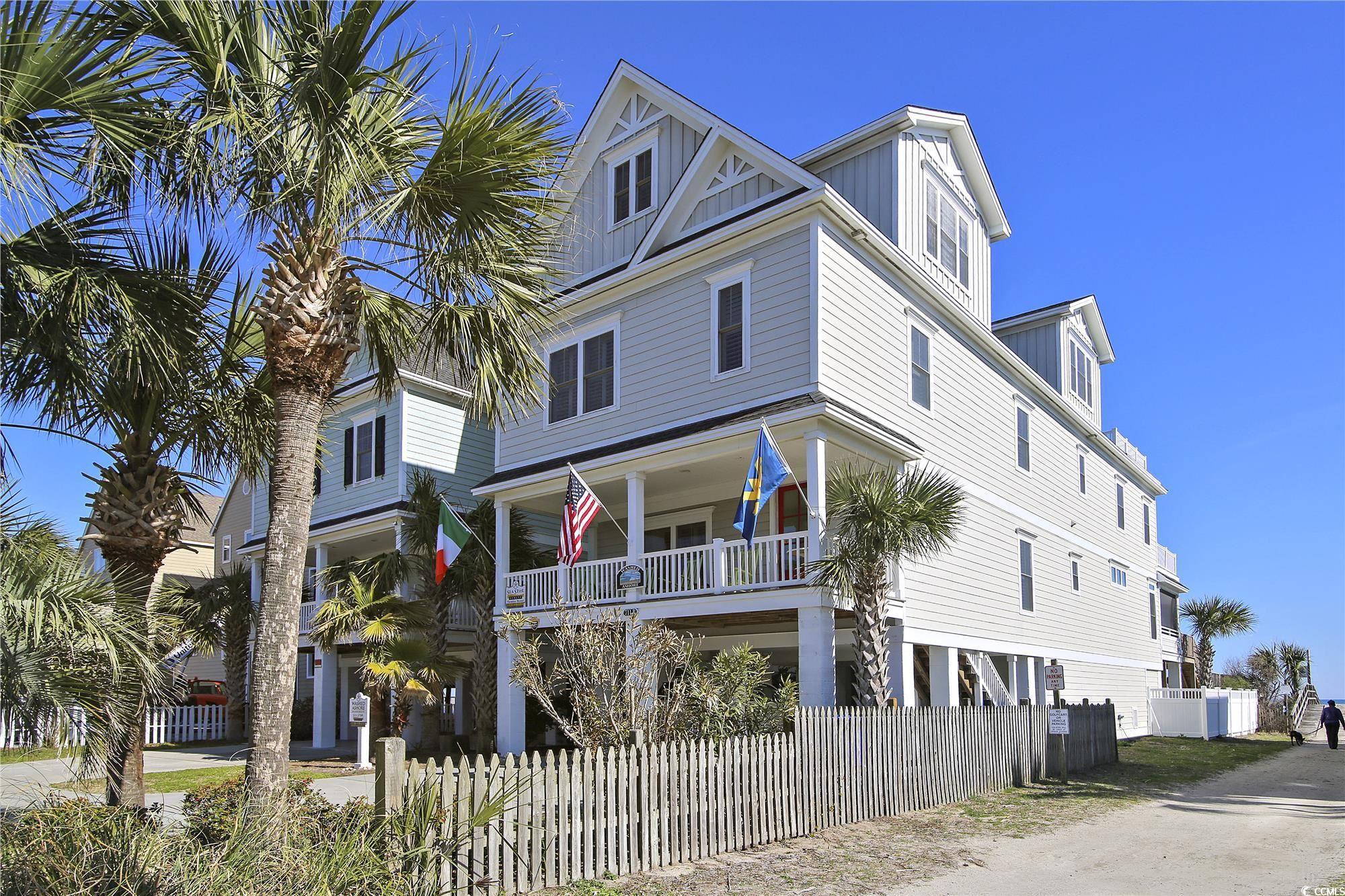
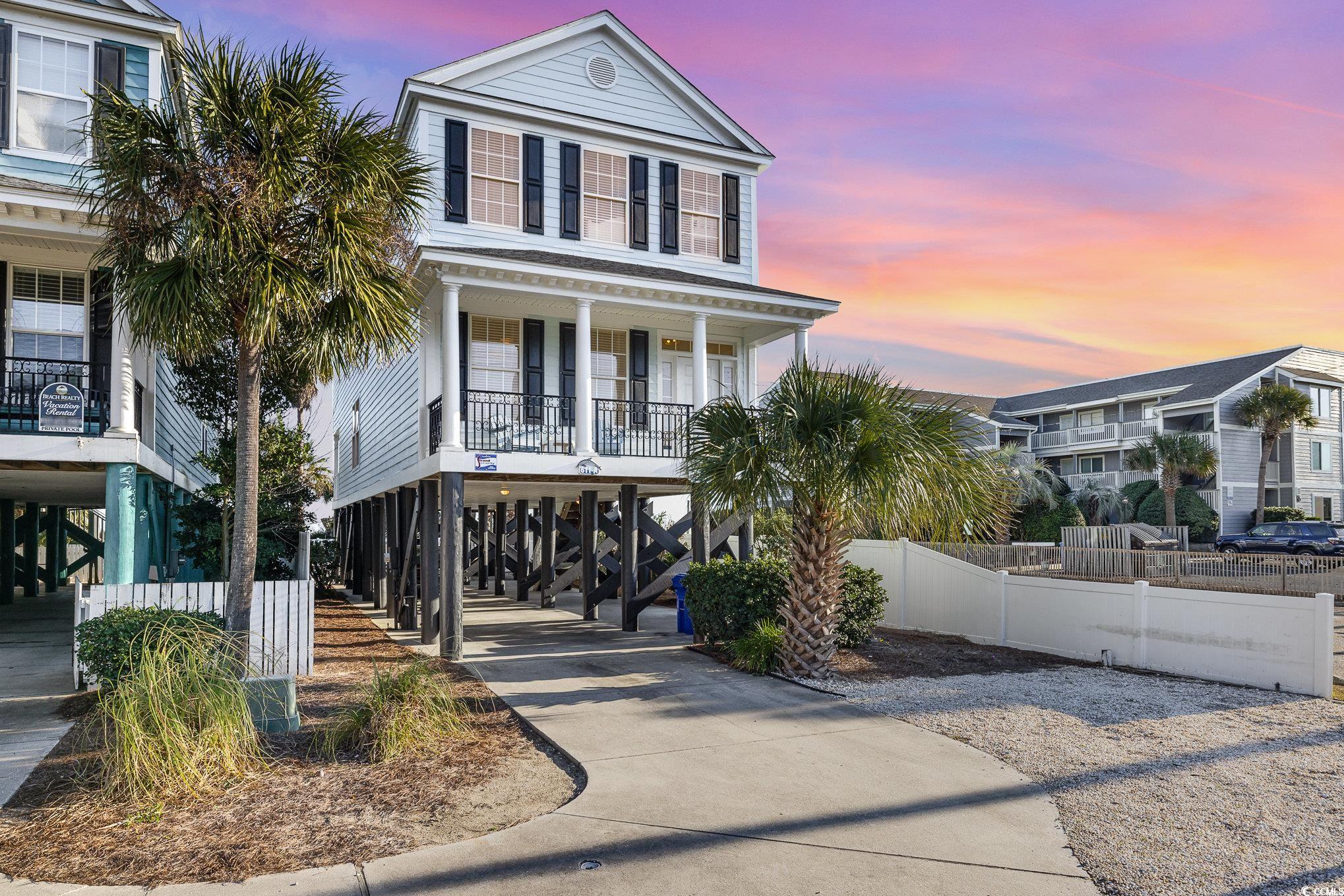
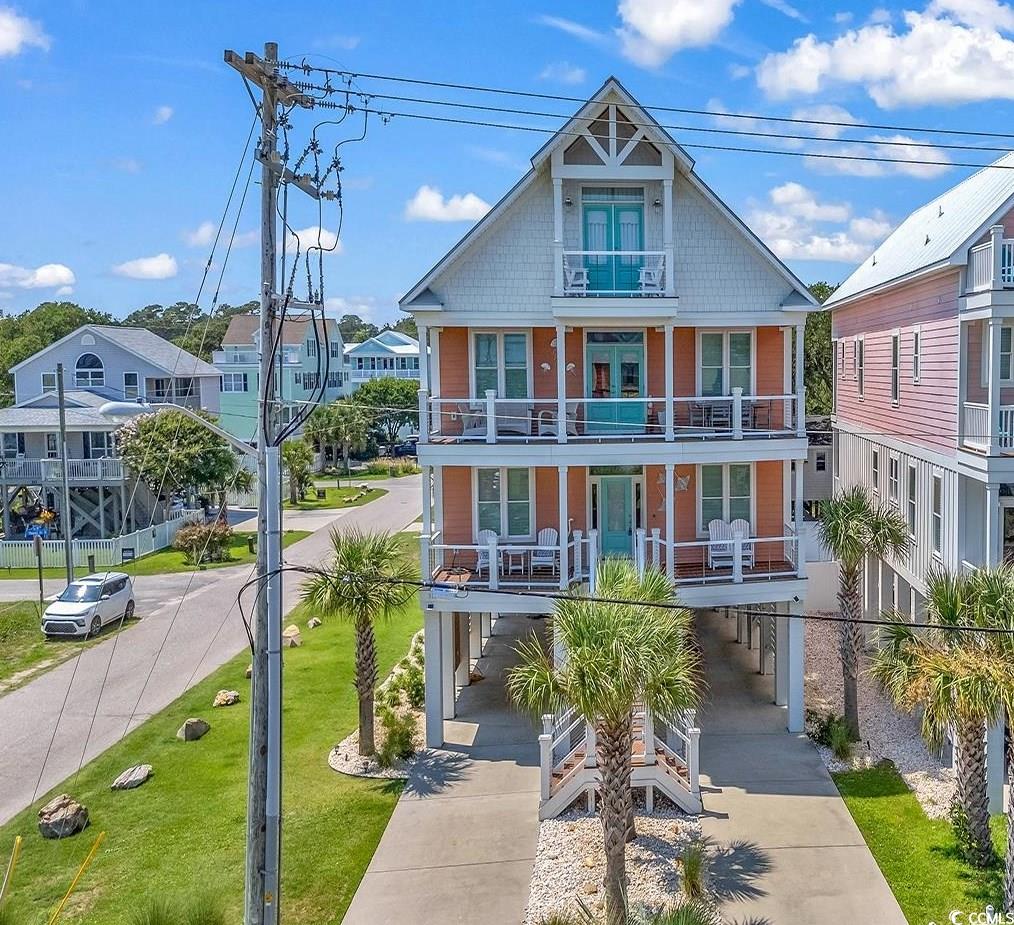
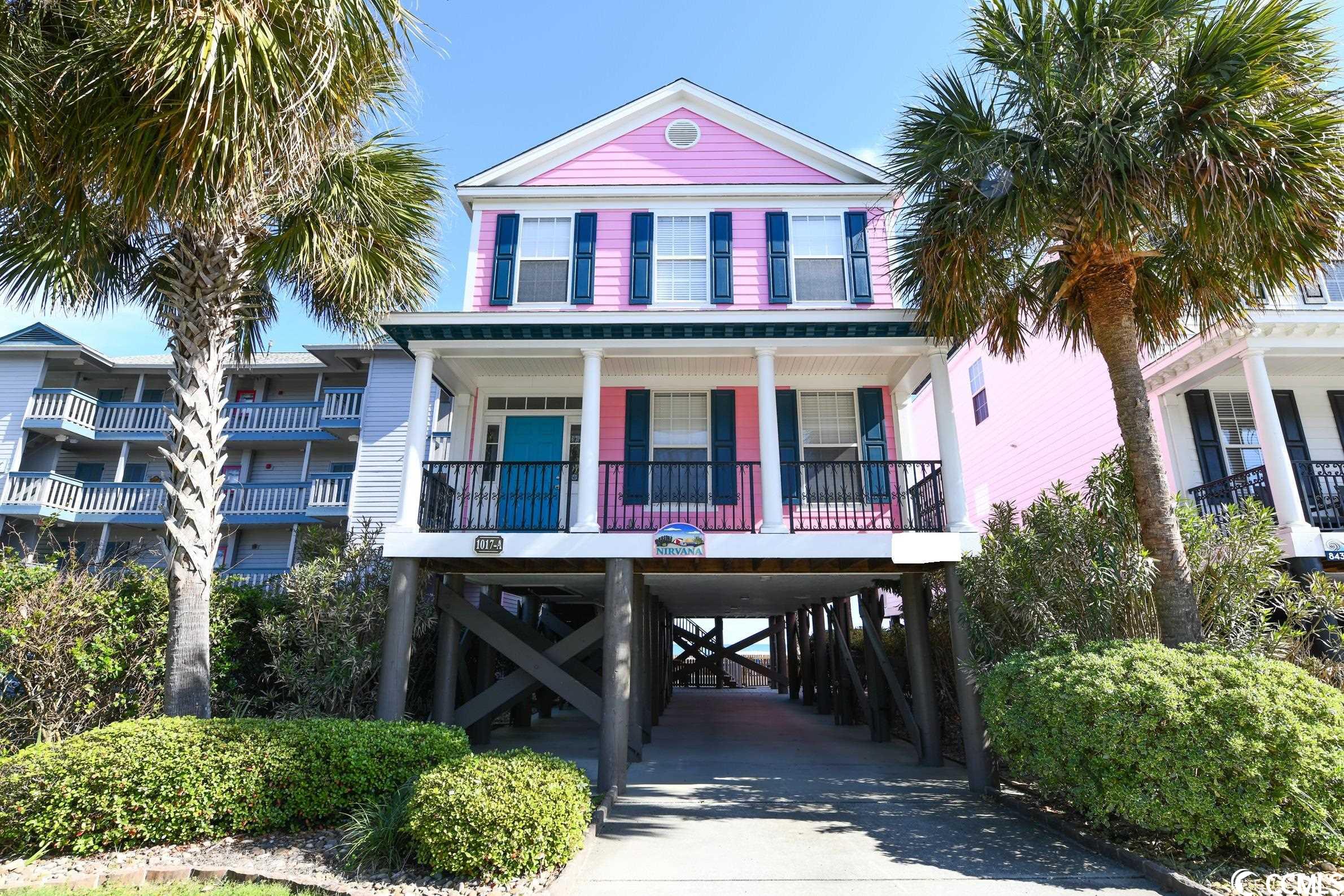
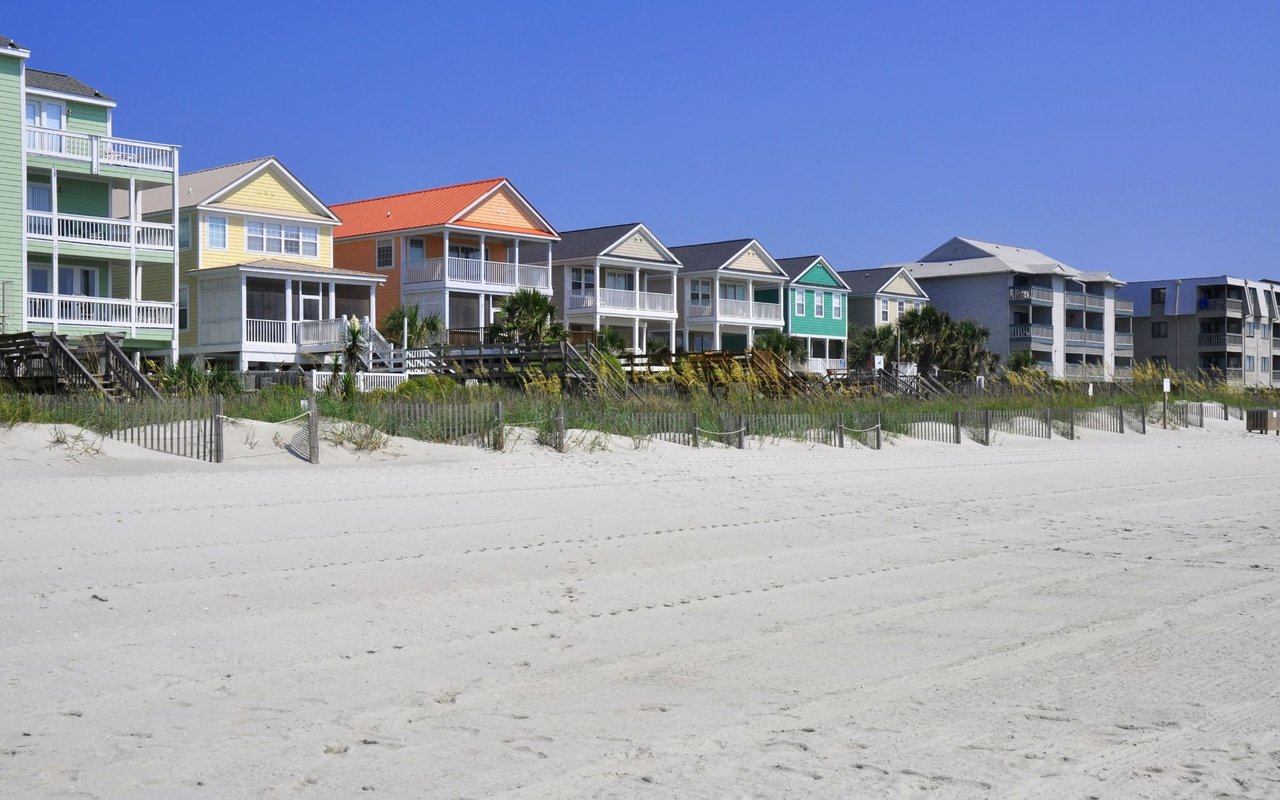
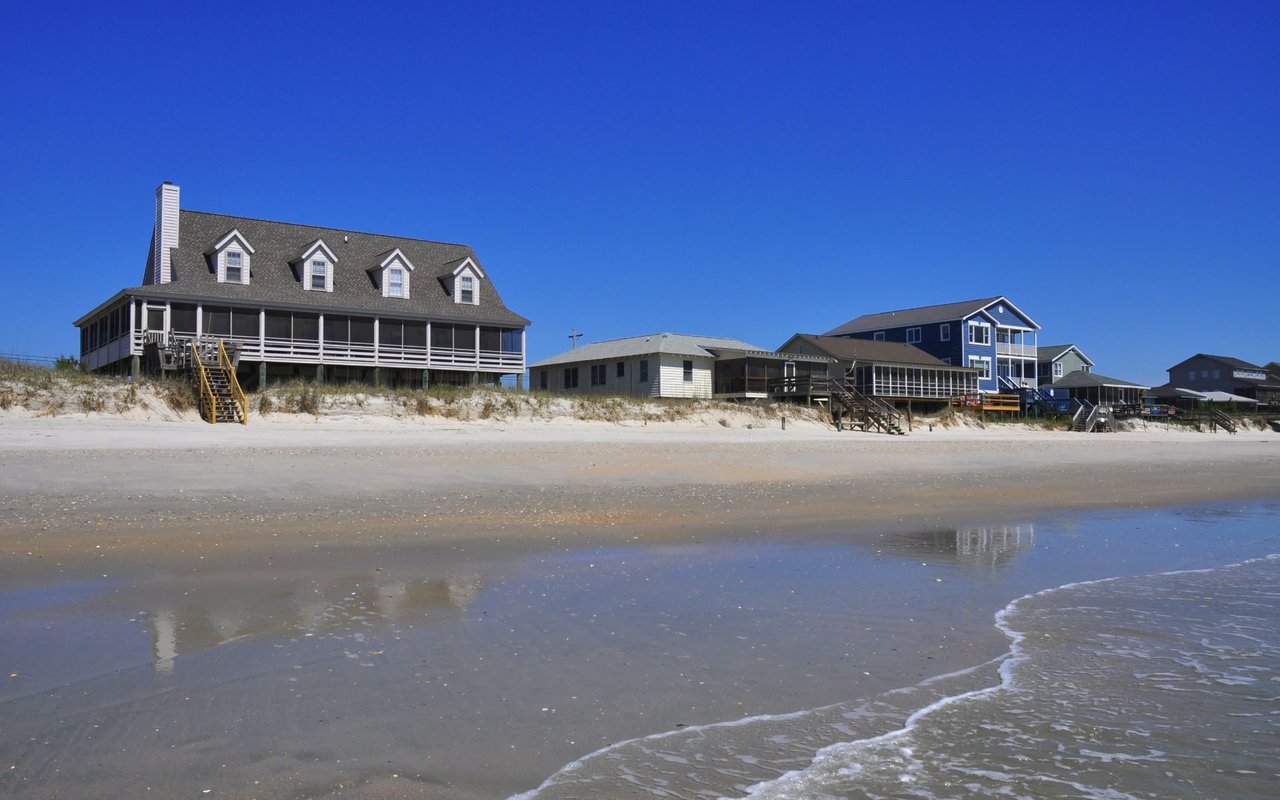
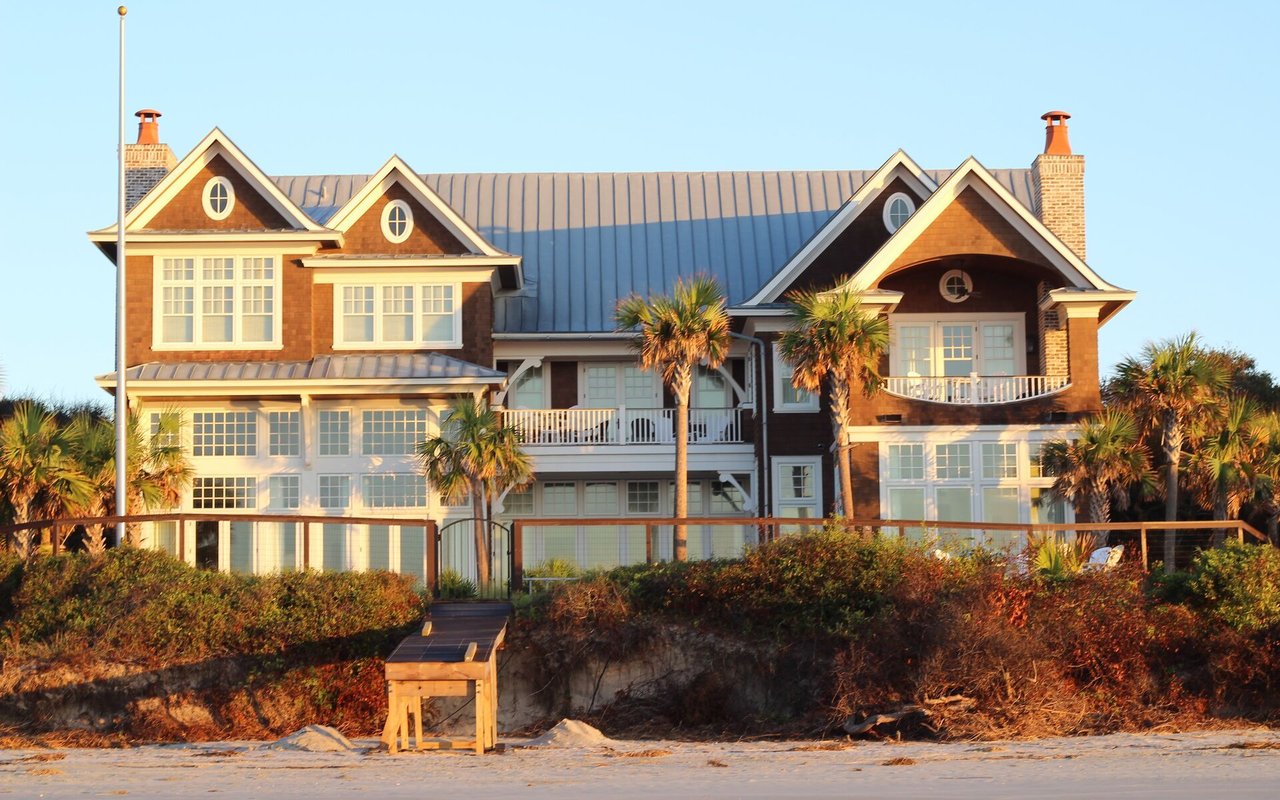
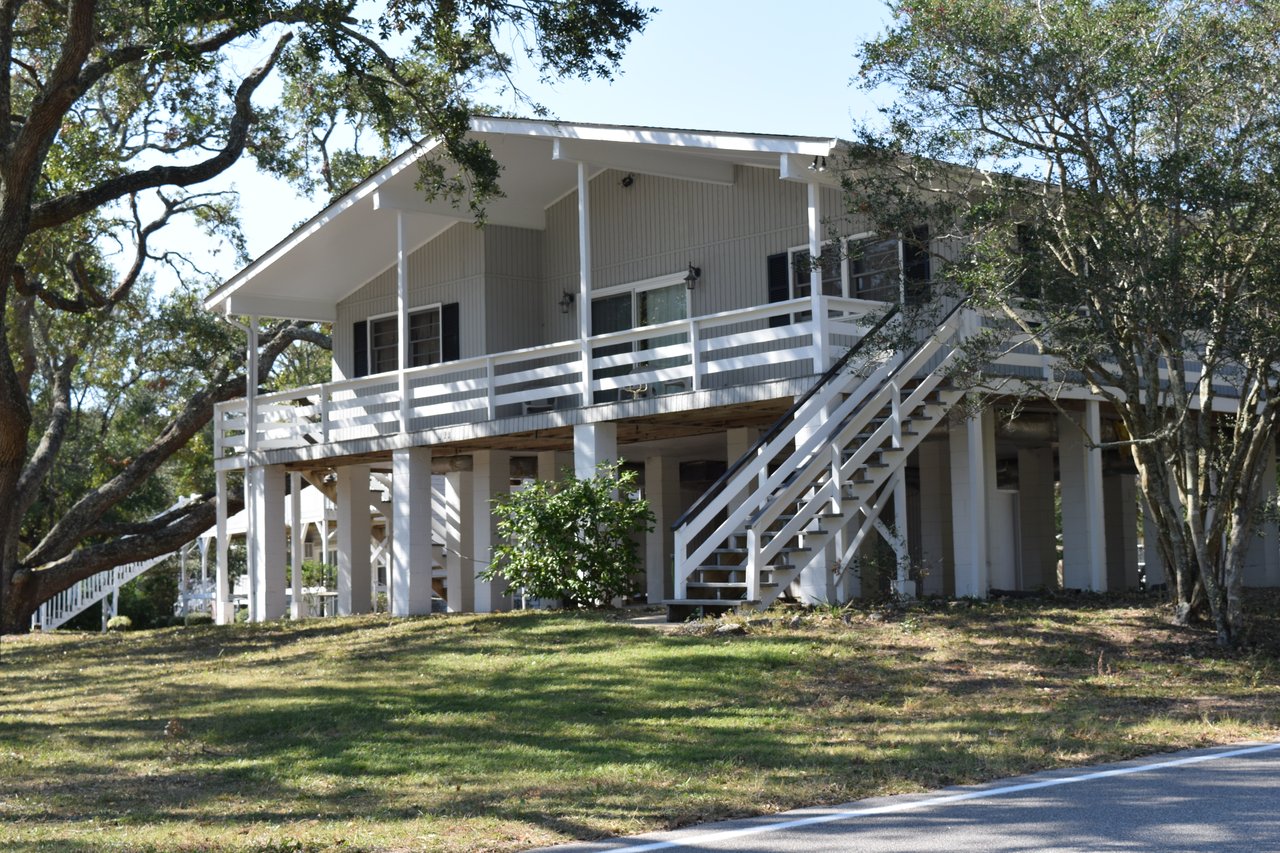
The housing stock in Surfside Beach shifts quickly as you move west from the Atlantic, and each layer offers a fundamentally different lifestyle. Closest to the ocean, you'll find the iconic raised "stilt" homes lining Ocean Boulevard and the first few rows. These properties sit on thick wooden or concrete pilings to handle storm surges, with the ground level reserved for golf cart parking, outdoor showers, and grilling areas. They range from charming 1970s three-bedroom cottages to massive eight-bedroom luxury builds with private elevators and pools—most of them earning their keep as short-term vacation rentals.
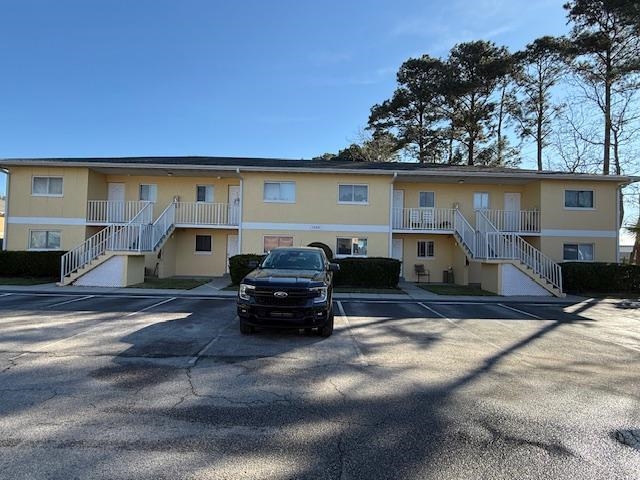
Surfside's condo landscape is one of its defining features. Unlike Myrtle Beach's towering oceanfront high-rises, the town's zoning keeps buildings low. Most condo buildings here are two to four stories, wood-framed, and capped at modest heights. Front-row units offer ocean views; second- and third-row options sell for noticeably less while keeping the beach a short walk away. Inland, golf-course villas in communities like Deerfield offer some of the most affordable coastal ownership on the Grand Strand.
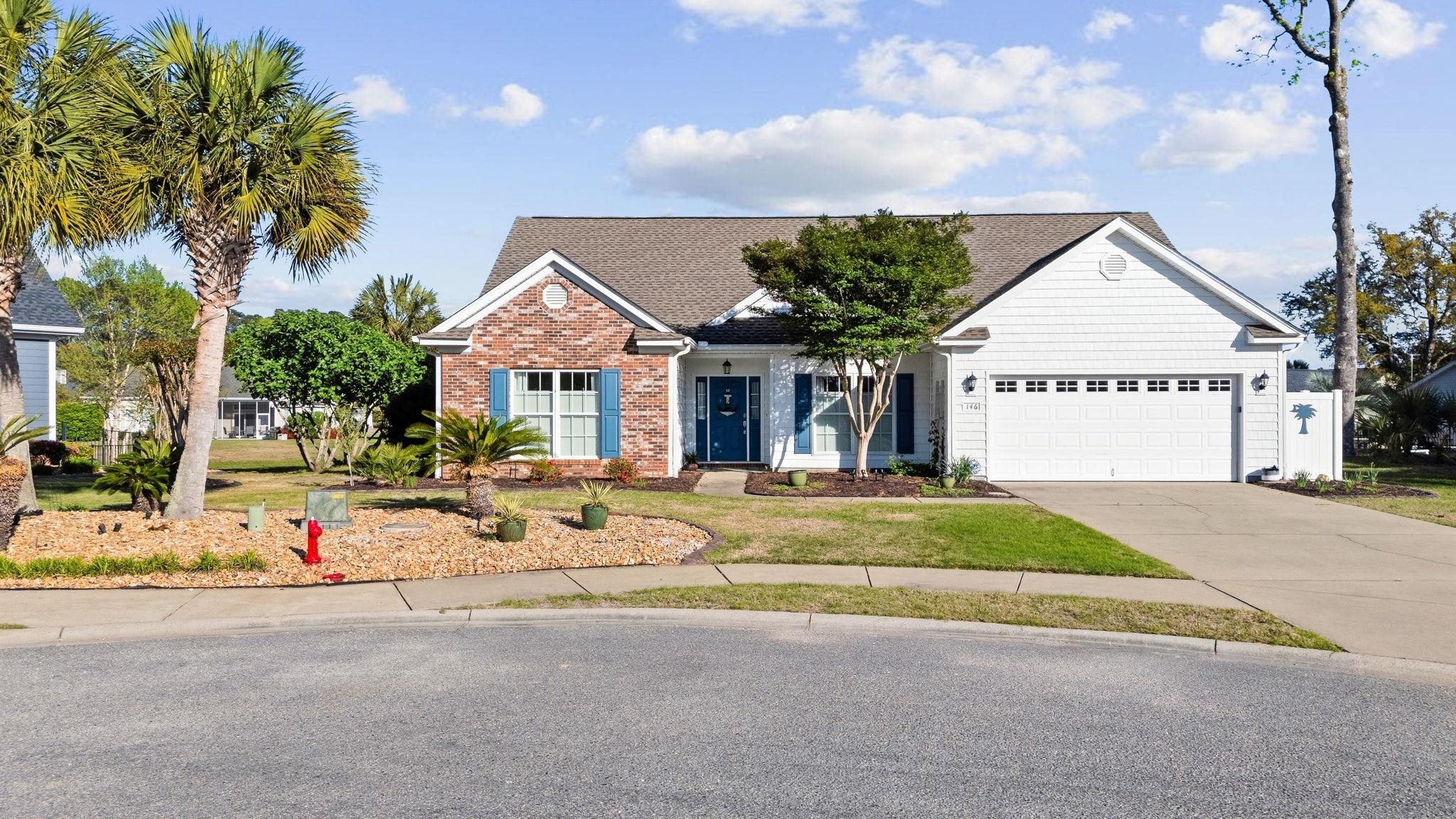
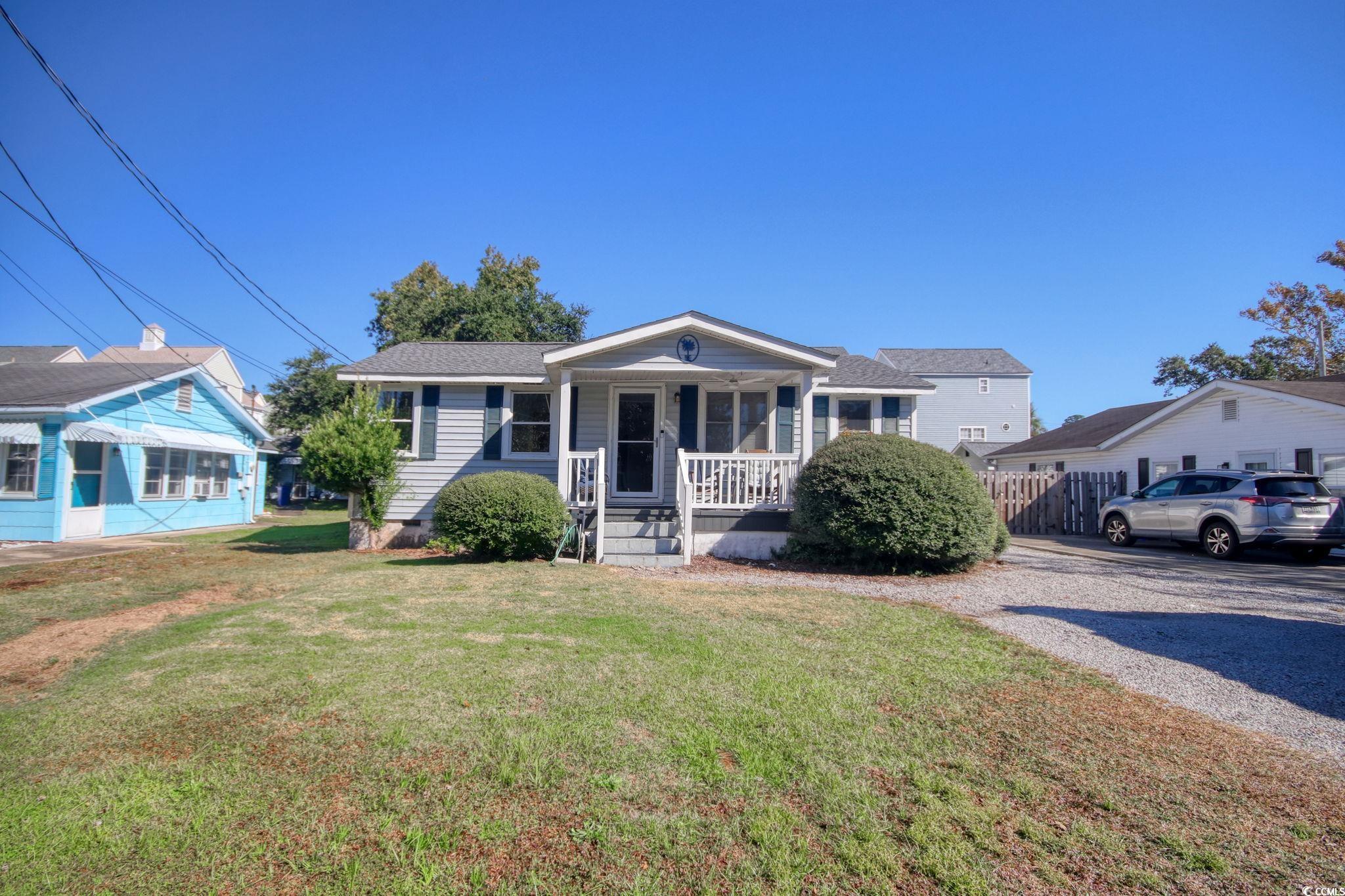
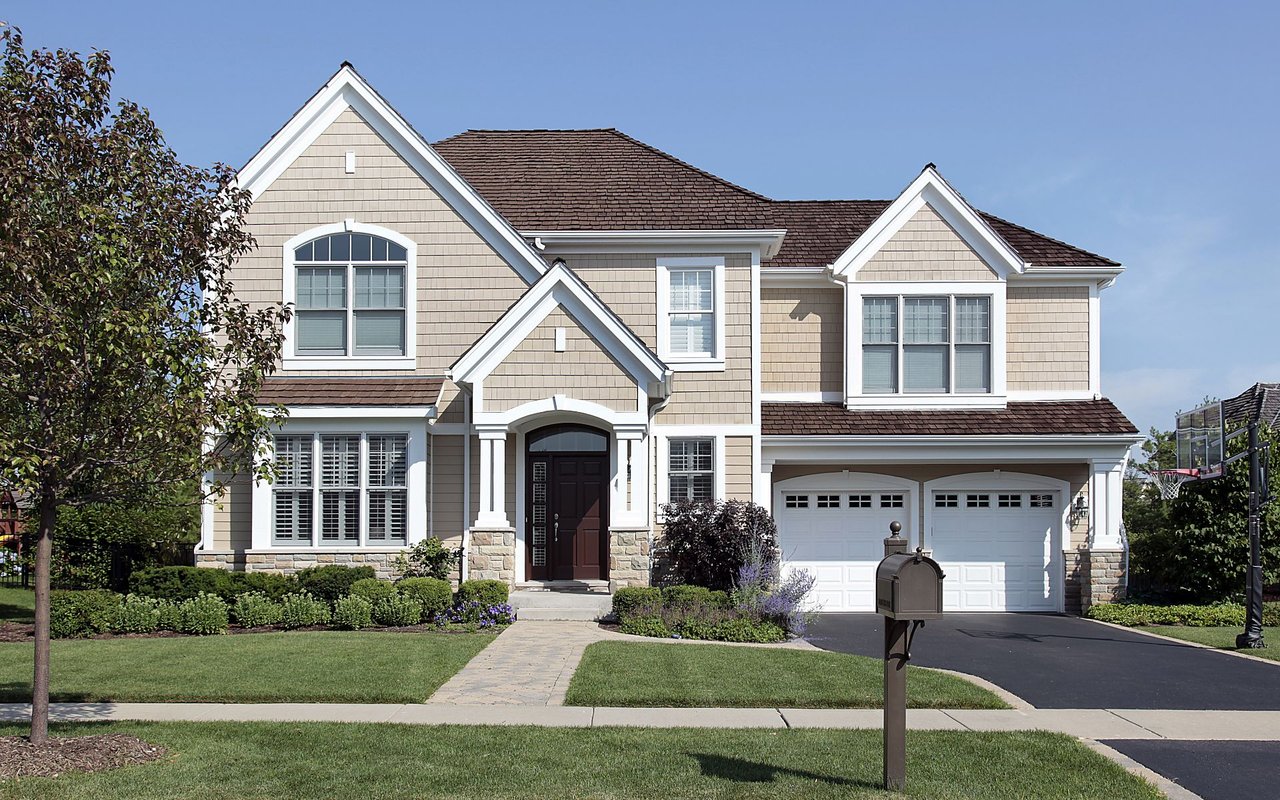
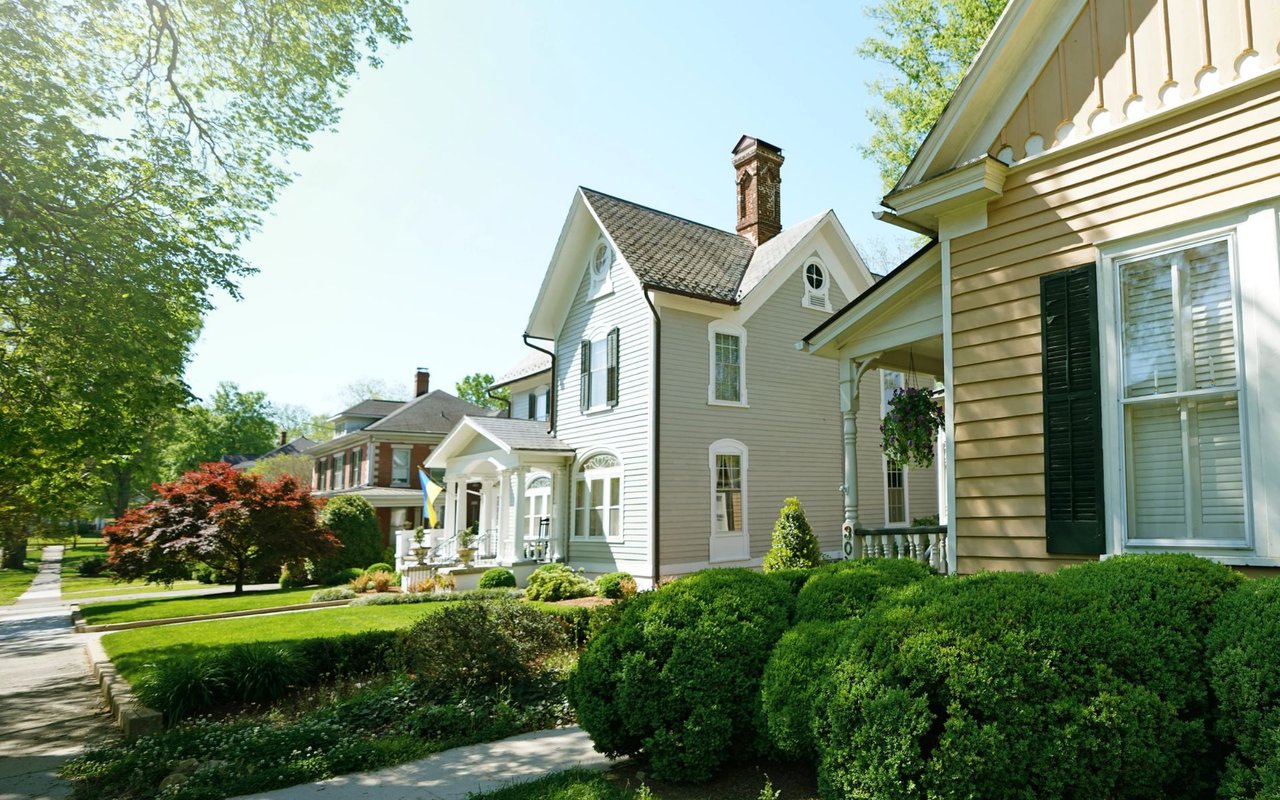
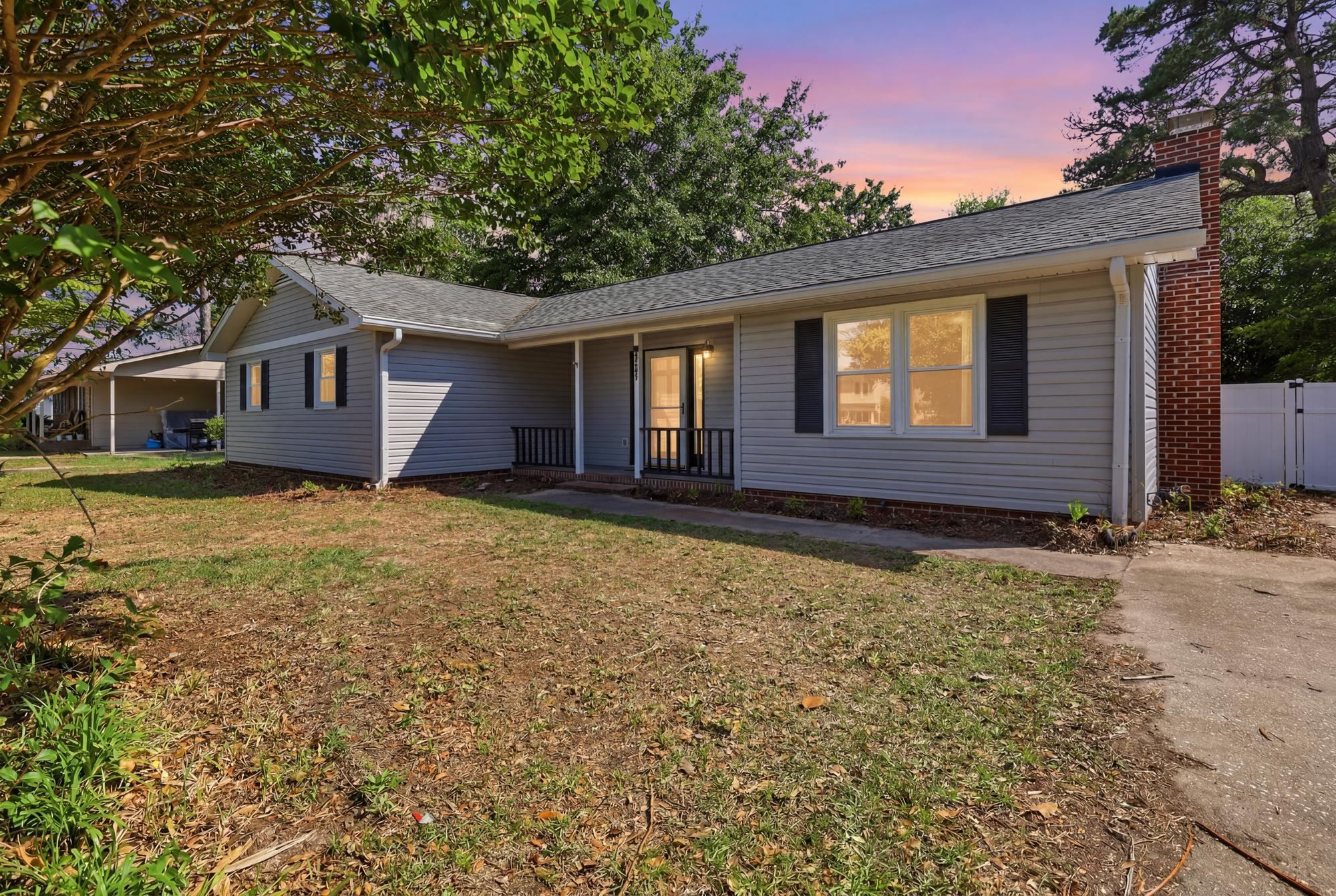
Move a few blocks west of Highway 17 Business and the character shifts dramatically. Traditional single-family neighborhoods—ranch homes with mature landscaping, gated communities with manicured lawns, and developments like the Surfside Beach Club—become the dominant product. Townhomes and raised duplexes fill out the middle market, offering single-family square footage with reduced exterior maintenance. These are the homes where full-time residents and retirees build their lives.
Buying a coastal property requires a different playbook than buying inland, and there are five areas where buyers consistently get into trouble if they don't prepare correctly.
Master the three layers of coastal insurance. A standard homeowners policy will not protect you here. You will need a hazard or HOA policy for structural coverage, separate wind and hail coverage (frequently written through the South Carolina Wind and Hail Underwriting Association, locally known as "The Beach Plan"), and a flood policy. The FEMA flood zone of your specific property will determine your premium. V zones (oceanfront velocity zones) carry the highest costs, A zones are moderate, and X zones are low-risk but still worth covering because of tropical storm pooling.
Scrutinize condo regime fees. In Surfside Beach, HOA dues on condos are called "regime fees." Many associations have raised these fees 10% to 25% in recent years as coastal insurance premiums have surged. Before you close on a condo, ask for the reserve study. A healthy reserve fund protects you from getting hit with a massive special assessment after the next storm or major repair. A thin reserve fund is a financial trap waiting to spring.
Verify short-term rental zoning before you write an offer. Surfside Beach enforces strict short-term rental laws. Rentals under 30 days are permitted in the R3 high-density residential zone closer to the ocean, but they are heavily restricted or outright prohibited in R1 low-density zones inland. Assuming you can list any property on Airbnb is the single most expensive mistake new buyers make here.
Factor in salt air maintenance. That ocean breeze is corrosive. HVAC condenser coils, outdoor lighting, deck hardware, and metal railings deteriorate fast near the water. Coastal HVAC units without anti-corrosive coastal coatings often last just 5 to 7 years on the front rows. Build that replacement cycle into your long-term budget.
Use a local Grand Strand lender. Coastal properties—especially condotels and homes in high-risk flood zones—face strict underwriting that national lenders frequently fumble. A local mortgage broker who understands South Carolina coastal guidelines is the difference between closing on time and watching the deal collapse at the table.
Because Surfside Beach is geographically small and largely built out, new construction happens in two distinct ways: teardowns near the ocean and master-planned communities just west of the Highway 17 Bypass. Each offers a different value equation.
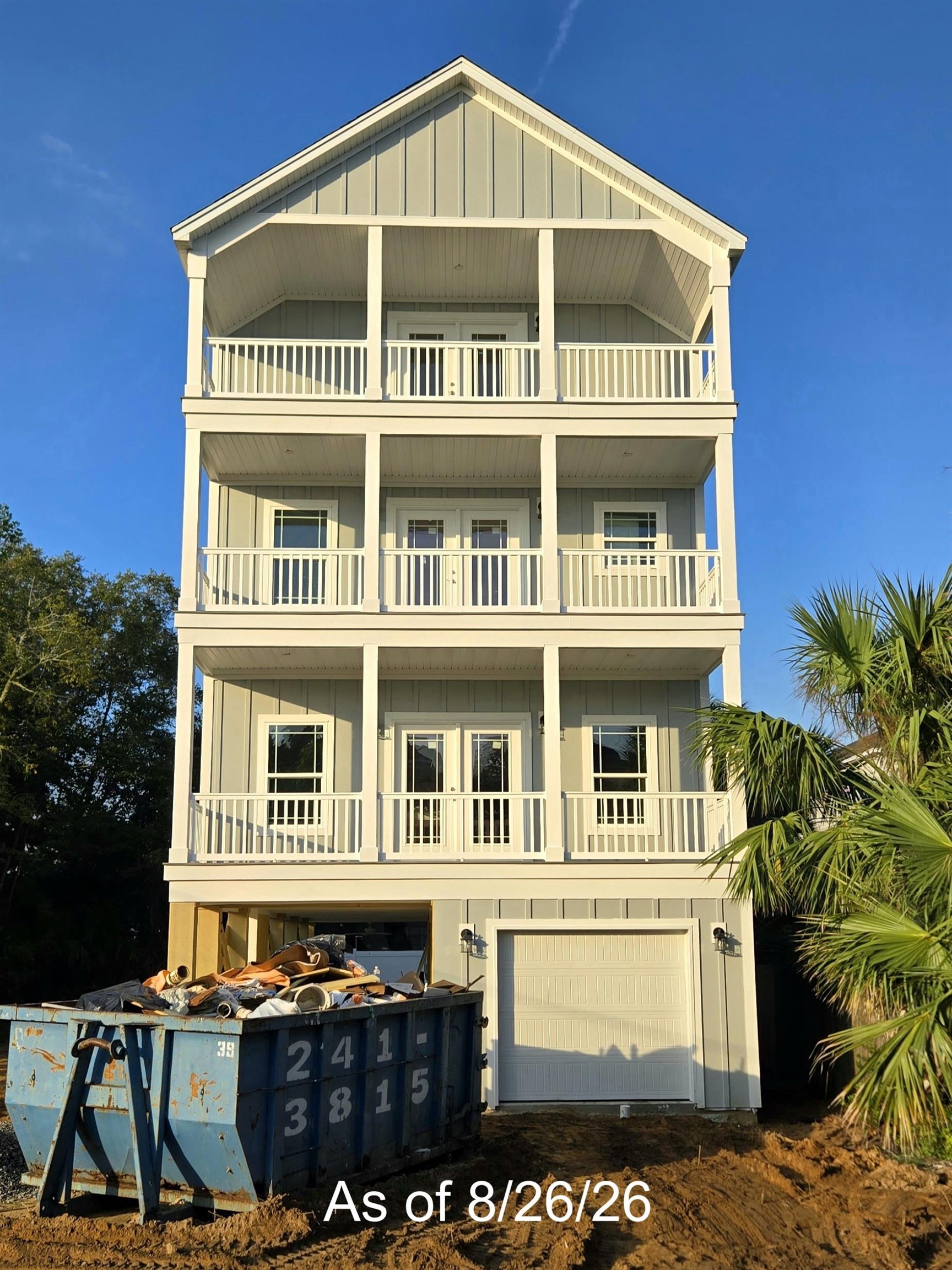
New builds carry real advantages. They meet the strictest current hurricane and wind-borne debris codes, which can substantially lower your initial insurance premiums. They come with modern layouts, smart-home wiring, and no immediate capital expenditures looming. Builders like D.R. Horton (currently active at The Cove at Glenns Bay) and several custom builders are producing inventory ranging from townhomes in the high $200s to custom raised beach homes well above $1.3 million. The trade-offs: water-adjacent new construction routinely tops $1.2 million, and inland new builds tend to sit on smaller lots with less mature landscaping.
Established homes, which make up the vast majority of Surfside's inventory, hold the monopoly on the most desirable locations. You cannot build a new home in the coveted "east of 17" golf-cart zone without first tearing down something old. Established properties offer larger lots, mature trees, distinctive coastal character, and locations that simply aren't being created anymore. The trade-offs are real too: older homes can carry outdated floor plans, aging HVAC systems, and—critically—higher flood insurance premiums if they were built before modern FEMA elevation requirements.
The right answer depends entirely on what you're prioritizing. New construction wins on insurance, efficiency, and zero immediate maintenance. Established homes win on location, character, and lot size.
Where you buy in Surfside Beach shapes your daily life more than almost any other decision. The town breaks naturally into three zones, each with its own personality.
The first zone is the "East of 17" golf cart zone, the grid of streets between Highway 17 Business and the Atlantic. This is where you want to be if walking or carting to the beach, the pier, and local restaurants is non-negotiable. Ocean Boulevard, Dogwood Drive, and Poplar Drive aren't formal subdivisions but they're the most coveted addresses in town—a dynamic blend of raised beach homes, classic stilt structures, low-rise condos, full-time residents, and short-term vacationers. Lakewood Terrace, just blocks from the ocean, has emerged as a favorite for buyers wanting an upscale beach-walking lifestyle, mixing classic older homes with pristine custom new builds.
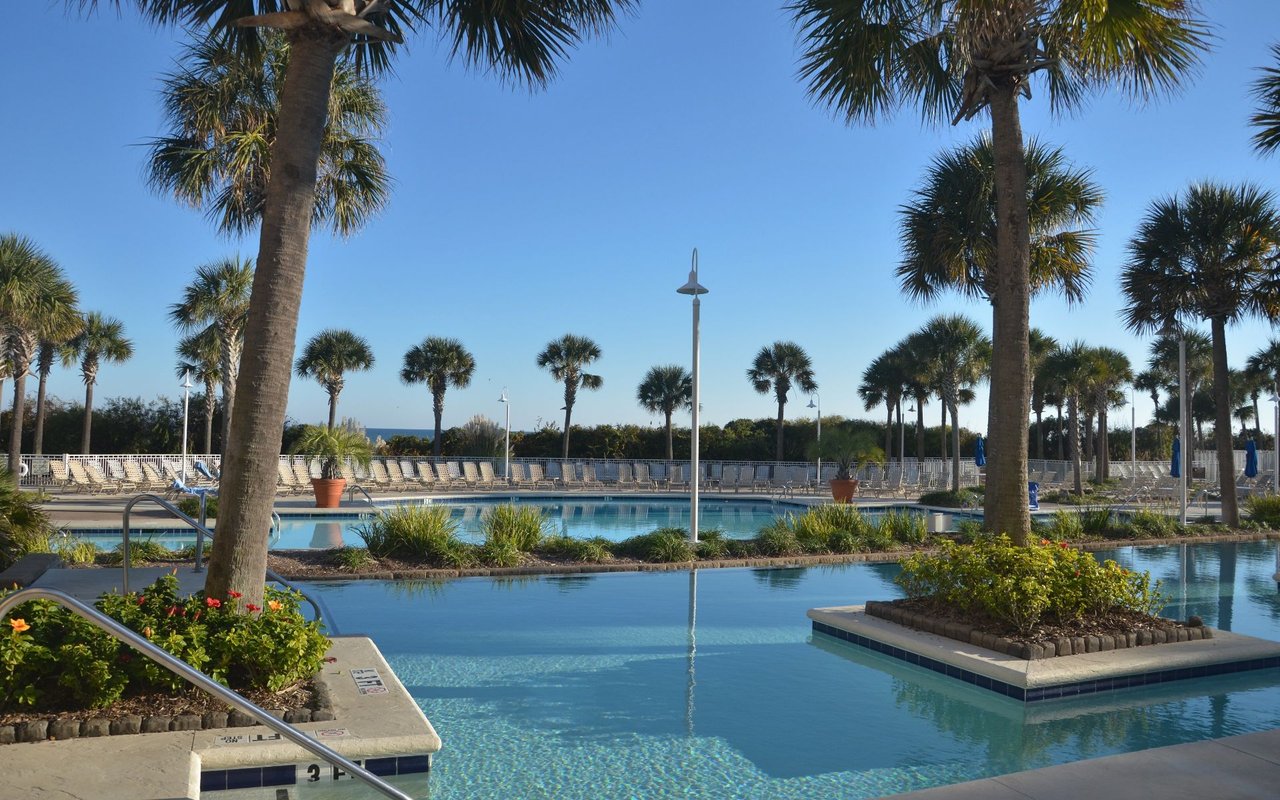
The second zone is the mid-town residential haven west of Highway 17 Business, where the tourist energy thins and year-round neighborhoods take over. Deerfield is one of the largest established communities in the area, built around a former golf course corridor with mature trees, winding streets, and wide lakes. It's a retiree favorite, offering ranch-style homes, contemporary multi-story houses, and affordable golf villas all in one neighborhood. The Surfside Beach Club, a premier gated community with sub-sections like Clear Water and Coral Springs, delivers manicured lawns, sidewalks, a community pool and fitness center, and a short golf cart ride to the beach.
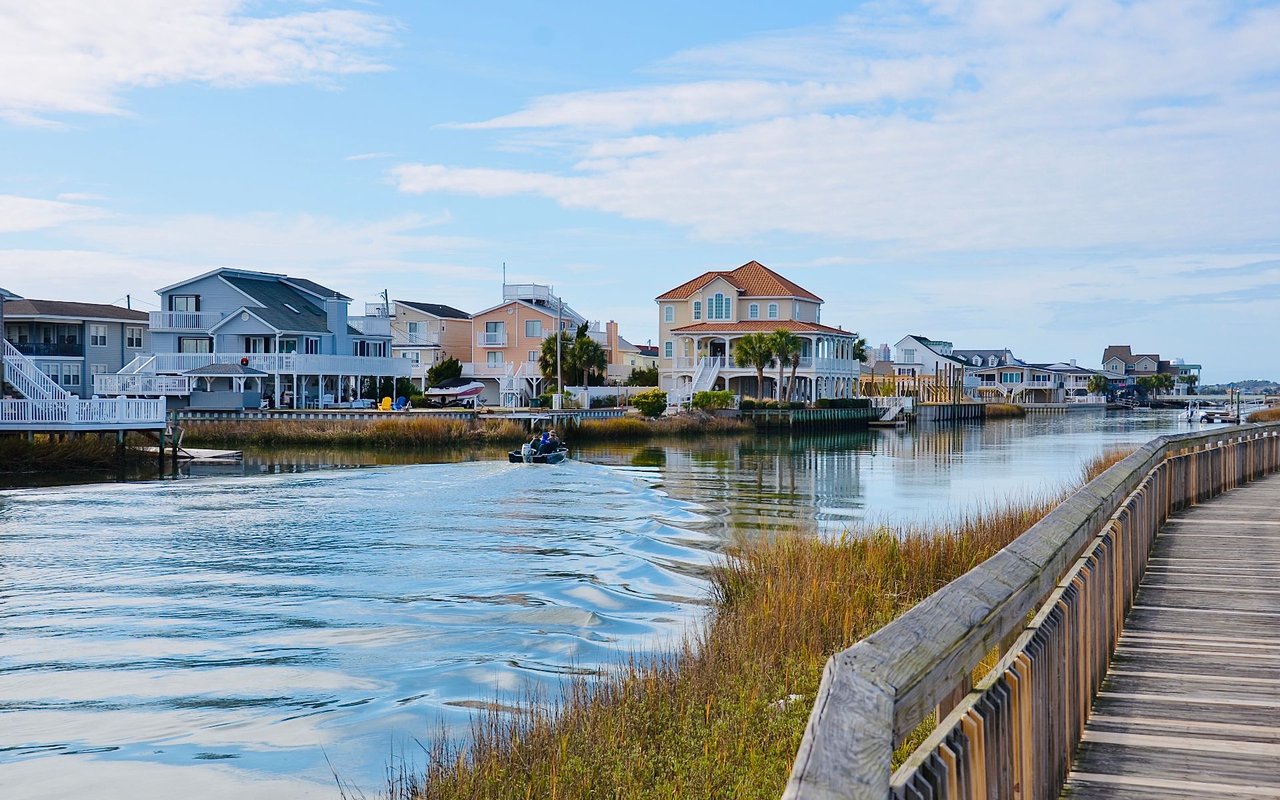
The third zone is the inland master-planned subdivisions near the bypass, where you get the most square footage for your money and the lowest flood risk. Ocean Palms—built exclusively by Beverly Homes—is widely regarded as one of the best recent developments in the area, featuring natural gas, community pools, and a modest $75/month HOA. Southwood offers contemporary detached homes with attached garages and a true suburban feel, insulated from seasonal tourism. The Lakes is famous for its interconnected freshwater lakes, where residents fish and kayak directly from their backyards.
The decision between these three positions has more consequences than most buyers realize. Oceanfront ownership delivers the experience people dream about—unobstructed Atlantic views, the sound of waves at all hours, and immediate sand access. Single-family oceanfront homes typically start above $1 million, and they command the highest short-term rental rates during peak season. They also carry the highest insurance exposure, the most aggressive salt air corrosion, and direct exposure to summer foot traffic outside your windows.
Second-row properties—those across Ocean Boulevard, Waccamaw Drive, or Seaside Drive from the front row—are the smart buyer's value play. You can typically save 20% to 35% off an equivalent oceanfront home while still walking to a public beach access in under a minute. Many second-row homes sit on stilts elevated enough to capture partial ocean views over the rooflines in front of them. Rental income is still strong, just not at oceanfront rates.
Inland properties, west of Highway 17, are where true residential life happens. The tourist traffic disappears, the lots get bigger, and the streets get quieter. You're typically a 3-to-10-minute golf cart or car ride from the beach rather than a 60-second walk, but your flood insurance drops dramatically (often into preferred Zone X), and your home sits well-protected from storm surge. For full-time residents and retirees, inland is almost always the right answer. For income properties, the math usually points east.
Both communities share South Carolina's retirement-friendly tax structure—no state tax on Social Security, low property taxes, and a generous Homestead Exemption for residents over 65. But the daily experience of living in these two towns is fundamentally different, and that's why a steady stream of retirees specifically chooses Surfside.
Myrtle Beach is built for high-volume tourism: tall oceanfront towers, the boardwalk, the entertainment district. Surfside Beach is the opposite by design. Strict building height caps have kept the skyline low. The pace is slower. The streets are walkable. The community is permanent rather than transient. Retirees moving here consistently report that within a few months they recognize faces at the farmer's market, the pier, and the local restaurants—something that rarely happens in Myrtle Beach proper.
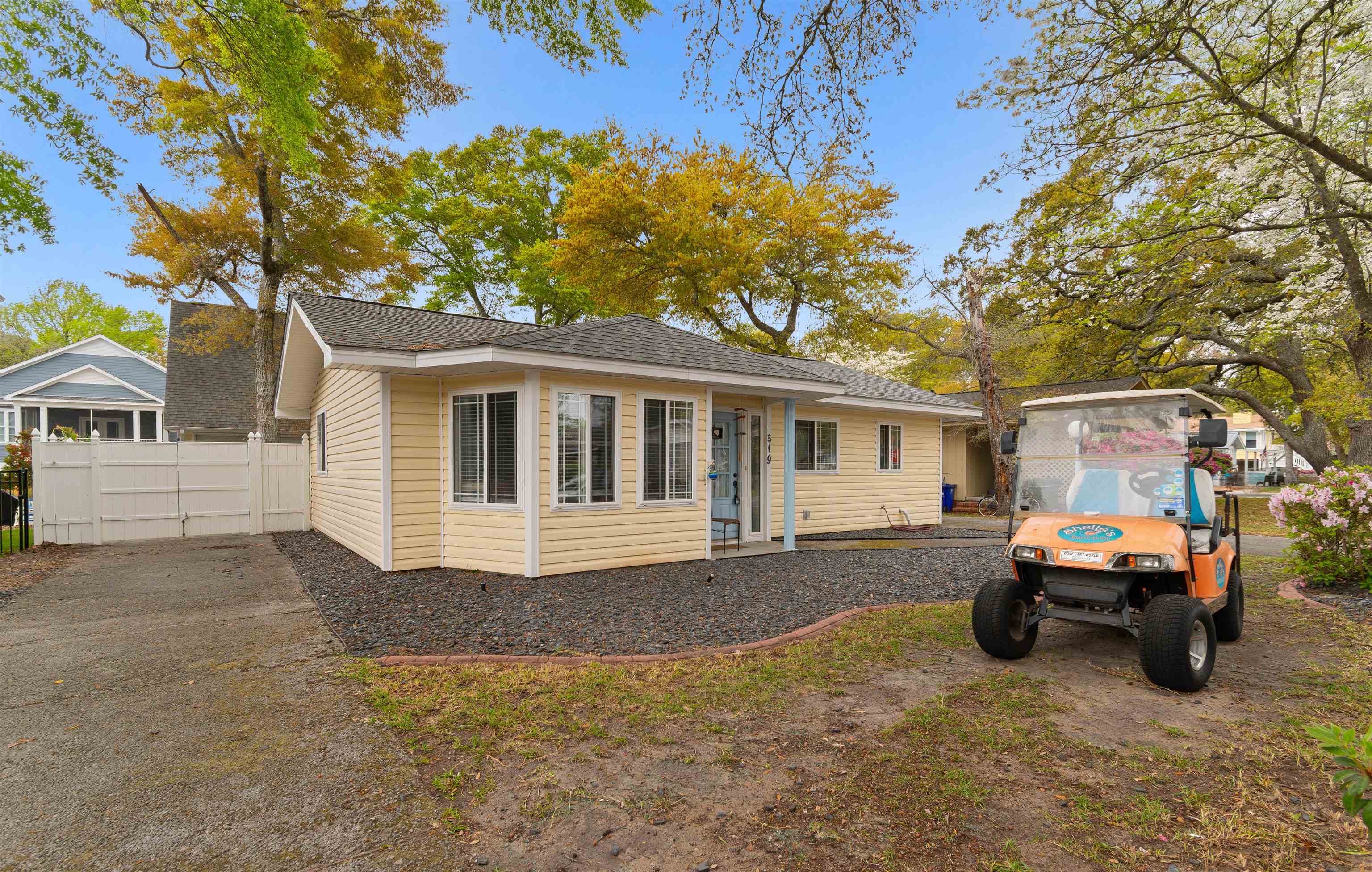
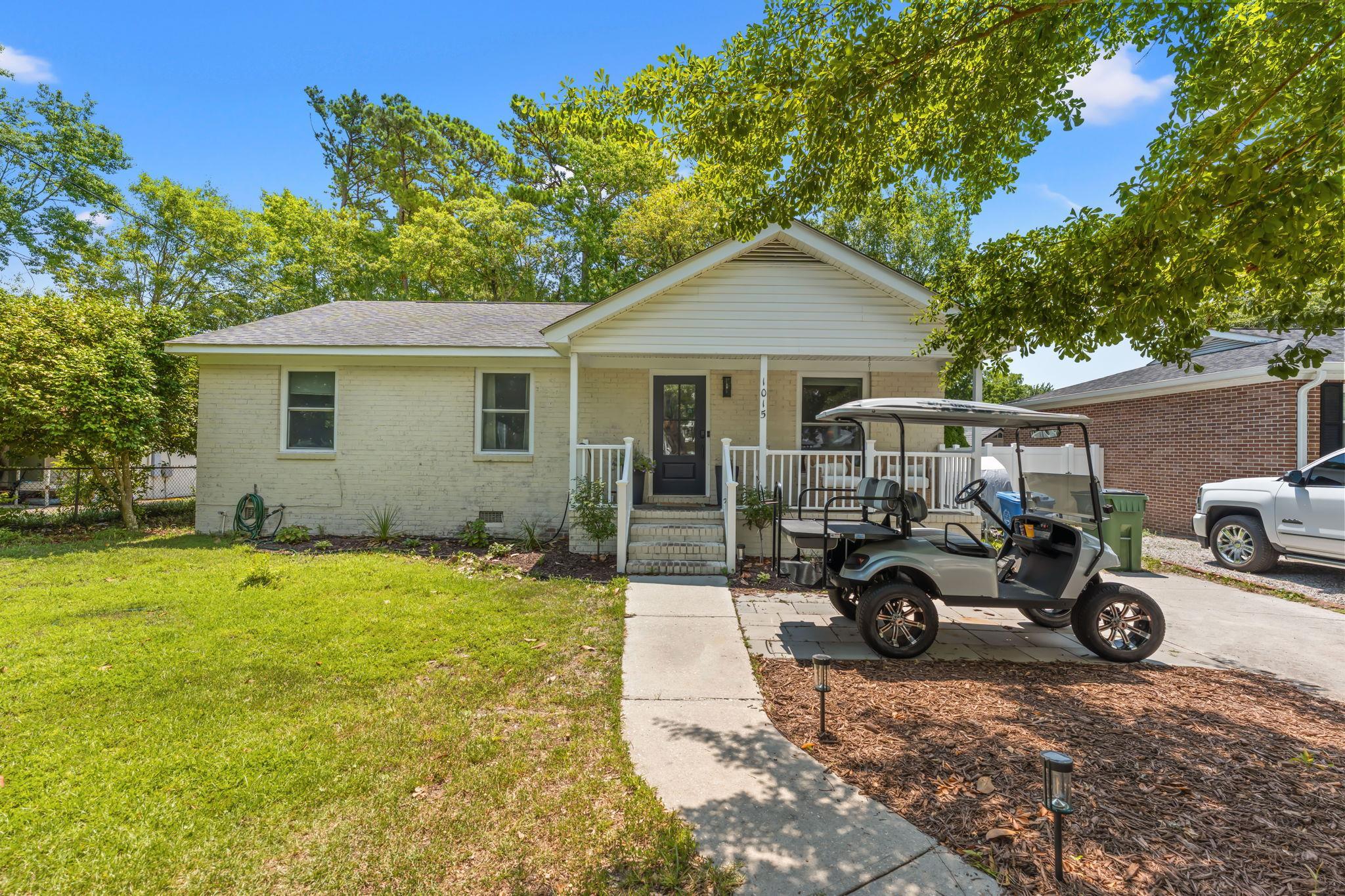
The golf cart culture is another major draw. Surfside is famously flat and golf-cart-legal, meaning a properly registered street-legal cart can take you to the grocery store, the doctor, the pier, and the beach without ever starting your car. For active adults who want independence without the hassle of constant driving and parking, it's a quality-of-life upgrade that's hard to overstate.
Healthcare logistics also favor Surfside. The town sits squarely between Grand Strand Medical Center in Myrtle Beach (a Level 1 Adult Trauma Center, roughly 15 minutes north) and Tidelands Waccamaw Community Hospital in Murrells Inlet (about 10 to 12 minutes south). You get access to specialized cardiac care, orthopedics, and emergency services without living inside the congested medical traffic corridor. Combine that with the town's nationally recognized accessibility infrastructure—wheelchair ramps and beach mats at multiple access points, free beach wheelchairs from the police department—and Surfside becomes one of the most thoughtfully designed retirement communities on the East Coast.
Surfside Beach falls within Horry County Schools (HCS), the third-largest district in South Carolina and a consistent A-minus rated district. Because the town itself is compact, students typically attend schools just outside town limits within the St. James and Socastee attendance zones.
Seaside Elementary serves local children through grade 4 with a small-school feel and strong parental involvement. St. James Intermediate and St. James Middle School cover grades 5 through 8 with consistently strong academic, athletic, and arts ratings. At the high school level, your address determines whether your student attends St. James High School (known for strong STEM and AP tracks) or Socastee High School—one of the few schools in South Carolina to offer the prestigious International Baccalaureate Diploma Programme, which makes it a serious destination for academically driven students.
For students who want to accelerate, the district offers application-based programs including HCS Early College High School (located on Horry-Georgetown Technical College's campus, allowing students to earn two years of transferable college credit alongside their diploma) and the Academy for the Arts, Science, and Technology, a career-technical academy focused on advanced arts, pre-engineering, computer science, and medical sciences.
One of Surfside Beach's underrated advantages is being geographically centered between three major healthcare hubs without sitting inside any of their traffic zones. Grand Strand Regional Medical Center, about 15 minutes north, is the region's flagship—a Level 1 Adult Trauma Center and Level 2 Pediatric Trauma Center with internationally recognized cardiac, stroke, and orthopedic care. Tidelands Waccamaw Community Hospital in Murrells Inlet, 10 to 12 minutes south, is highly rated for patient satisfaction and operates a state-of-the-art joint replacement center. Conway Medical Center, inland, runs a network of urgent care and primary facilities that feed directly into Surfside Beach.
For everyday medical needs, you rarely have to leave town. Highway 17 is lined with primary care offices, including CMC Primary Care - Surfside Beach and the Tidelands Health Medical Park complex just south of town. For same-day urgent care, CareNow Urgent Care on 10th Avenue South handles X-rays, stitches, and sports physicals and is integrated directly with Grand Strand Health for seamless transfers if a condition escalates. Doctors Care - Surfside is the other widely used walk-in option along the main business corridor.
The Surfside dining scene reflects the town's personality: casual, locally owned, and unpretentious. The Pier Village is the cultural and culinary heart of town. The Whistling Duck operates as the pier's premier oceanfront wine and charcuterie bar, while the Surf Diner serves classic coastal comfort food with full Atlantic views. Drippy's Homemade Ice Cream handles dessert, with its famous "Salty Goat" flavor as the locals' pick.
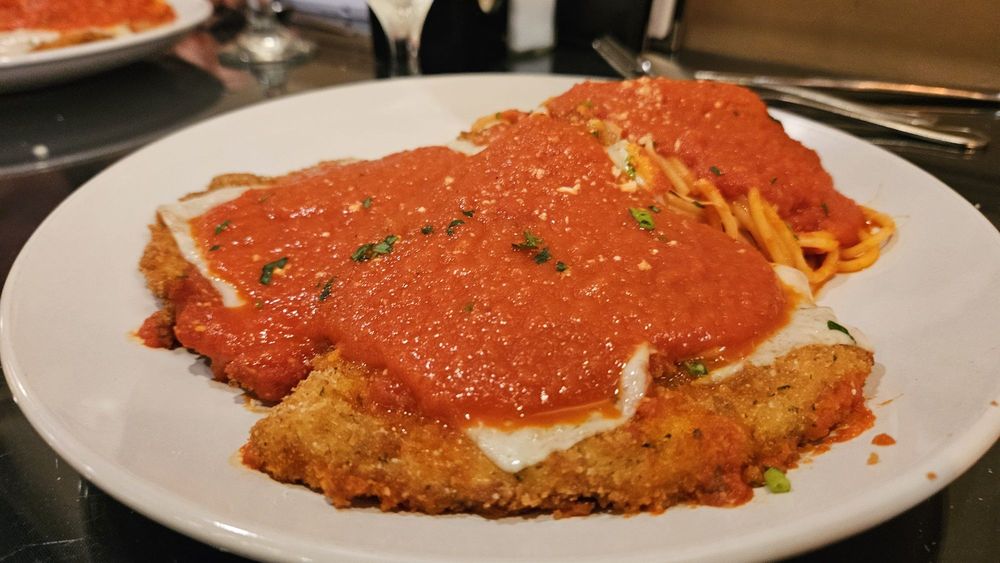
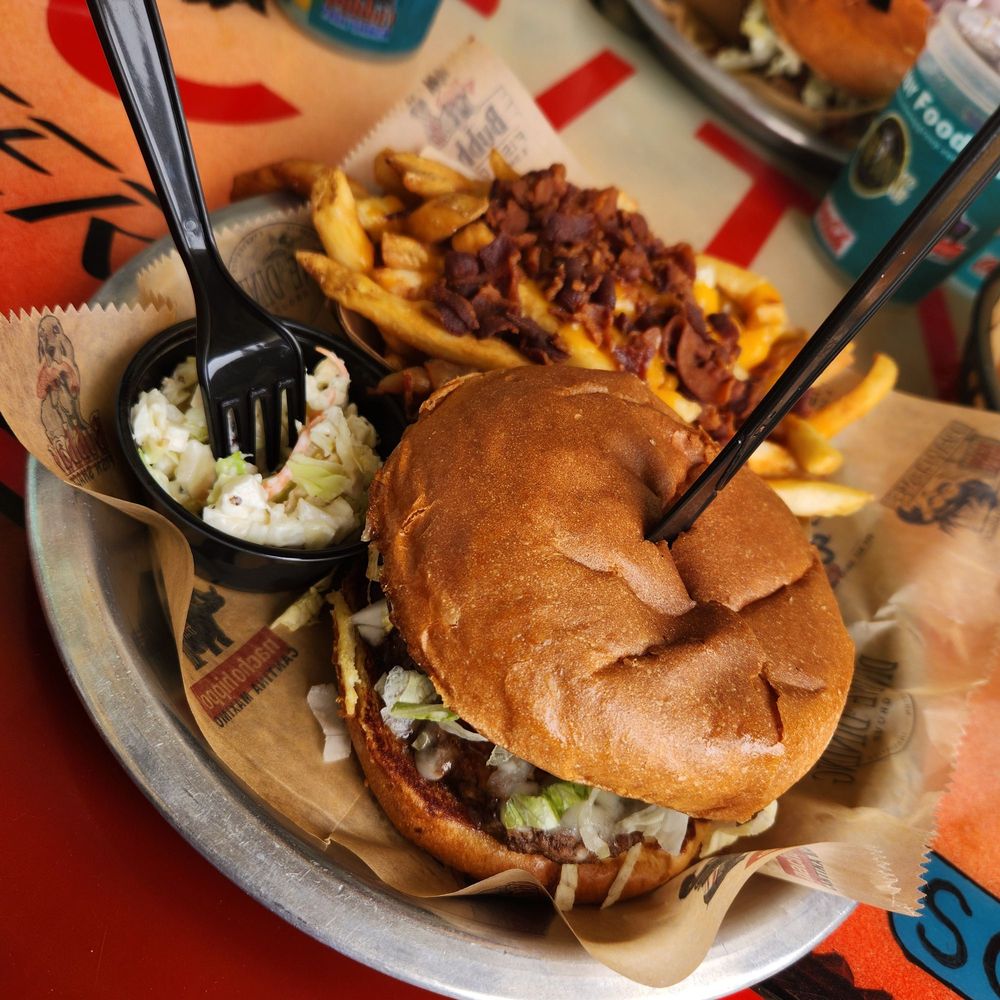
Just off the boardwalk you'll find River City Café for messy classic burgers, Pizza Hyena for wood-fired pizzas, Gracious Pig Smokehouse for pit-smoked barbecue, and Chimichanga Llama for Latin-inspired dishes with live music. Breakfast is taken seriously here—Benjamin's Bakery & Café has been a Grand Strand fixture for over 30 years, churning out scratch-made bagels and pastries, while Johnny D's Waffles and Benedicts packs in crowds daily. For Calabash-style seafood feasts, Crabby Mike's is the perennial favorite, and Dagwood's Deli & Sports Bar is the casual go-to for sandwiches and sports.
Shopping leans toward beach essentials, boutique gifting, and daily conveniences rather than luxury retail. The Pier Village and Highway 17 Business host surf shops, souvenir stores, and coastal décor boutiques. Daily errands cluster around Hudson's Surfside Plaza and along the Highway 17 corridor, with grocery stores, hardware stores, and pharmacies all accessible by golf cart. For major retail, residents drive less than 10 minutes north to The Market Common in Myrtle Beach.
For a town just two square miles in size, Surfside Beach has built a remarkably intentional park system. Passive Park, at the corner of Surfside Drive and Willow Drive, sits beneath a canopy of historic live oaks and features walking paths with exercise stations, a central gazebo, and the town's Veterans Memorial. In warm months it hosts the "Sunday Serenades" free live music series.
Fuller Park offers tennis courts, a children's playground, and public restrooms next to the Surfside Beach branch of the Horry County Memorial Library, with the adjacent Surfside Bark Park providing separate fenced spaces for large and small dogs. All Children's Park, at 10th Avenue South and Hollywood Drive, deserves special mention—it features two playground areas specifically designed to be fully accessible to both handicapped and able-bodied children, reflecting the town's deeper commitment to inclusivity.
For organized athletics, the H. Blue Huckabee Recreation Complex on Spanish Oak Drive spans 10 acres with three baseball/softball diamonds, two football/soccer fields, four batting cages, a toddler "tot lot," and a concession stand. The Surfside Beach Fishing Pier itself functions as a recreational boardwalk—fully ADA-accessible by elevator and ramps, the 814-foot concrete pier is open to walkers, wildlife watchers, and sunrise spectators, not just anglers. And every week in spring, summer, and fall, Harrison Park hosts the Surfside Beach Farmers Market, where regional growers and producers sell directly to the community.
One of Surfside Beach's quiet advantages is that you don't have to host upscale nightlife inside your own town to enjoy it. The Murrells Inlet MarshWalk—a historic half-mile wooden boardwalk along a pristine saltwater estuary—sits just 6 to 7 miles south, a 10-to-12-minute drive down Highway 17 Business under normal conditions. During peak summer dinner hours that drive stretches to about 20 minutes, but it remains one of the easiest evening getaways on the Grand Strand.
Because Surfside intentionally keeps its commercial footprint quiet, residents effectively treat the MarshWalk as their nightlife district. You get immediate access to top-rated waterfront seafood restaurants like Wicked Tuna, Dead Dog Saloon, and The Claw House, with nearly every restaurant featuring indoor and outdoor live music throughout the summer and on weekends year-round. The MarshWalk is also the regional launching point for deep-sea fishing charters, pontoon rentals, kayak tours, and jet ski excursions—the water sports infrastructure Surfside Beach itself doesn't host.
Getting around Surfside Beach works differently than most coastal communities, and that's because the town leans heavily on alternative open-air transit rather than traditional car traffic. Golf carts are the real local mode of transport. South Carolina law allows street-legal, registered carts on secondary roads during daylight hours within 4 miles of your home or business, and the town has built dedicated golf cart parking at nearly every public beach access and throughout the Pier Village.
Public transit is managed by Coast RTA (Regional Transit Authority), which operates year-round climate-controlled bus routes connecting Surfside Beach north to Myrtle Beach and Myrtle Beach International Airport, and south to Garden City and the Murrells Inlet MarshWalk. All buses are fully ADA-compliant. During peak season (Memorial Day through Labor Day), Coast RTA also operates free seasonal shuttles, allowing riders to park near local hubs and ride directly to beach frontages without paying for parking.
For events, weddings, or large group outings transitioning between Surfside hotels and Murrells Inlet venues, private companies like Carolina Limousine & Coach and Tito's Trolley operate vintage-style wooden trolleys. Uber and Lyft also run heavily throughout the area, with airport rides typically costing $15 to $25 depending on season and time of day.
Surfside Beach makes getting to the ocean easier than almost anywhere on the Grand Strand. The town maintains 36 public beach access points—effectively a public walkway or drive at every block along its two-mile coastline. Accessibility infrastructure is built in: wheelchair ramps and sturdy beach walking mats are installed at 3rd Avenue North, the Surfside Pier, 3rd Avenue South, 13th Avenue South, and Melody Lane, and the Surfside Beach Police Department (at 811 Pine Drive) loans out balloon-tire beach wheelchairs free of charge on a first-come, first-served basis.
The town operates 12 public parking lots, several of them direct oceanfront. Paid parking is enforced March 1 through October 31, from 8:00 AM to 6:00 PM—free outside those hours and free all winter. Standard lots cost $2.00 per hour with a $10.00 daily maximum, while the premium Surfside Pier Lot runs $4.00 per hour with no daily cap. There are no traditional meters; the town uses a digital License Plate Recognition system, and payment is made via the ParkMobile app or the Text2Park service displayed on lot signage. Full-time residents who register their vehicles receive decals for free city-wide parking, though no decals are exempt from fees at the Surfside Pier Lot. One rule worth knowing: if you park on a public right-of-way or side street, all four wheels must be completely off the pavement and parallel to traffic, or you'll be hit with a $50 fine.
Surfside Beach is the right fit if you want a true neighborhood feel where you know your year-round neighbors rather than rotating short-term tourists. It works beautifully if you love the idea of running daily errands by golf cart, if you prioritize a peaceful beach experience over big commercial energy, if accessibility and inclusivity matter to your household, or if you're looking for a property that can double as a quiet personal getaway and a strong summer rental.
It's probably not the right fit if you crave urban nightlife, neon boardwalks, late-night clubs, and walkable mega-malls—Myrtle Beach proper will serve you much better. It also won't fit if your beach dream involves a 15th-floor condo balcony, lazy rivers, valet parking, and resort-style concierge amenities; Surfside's low-rise zoning makes those buildings impossible here. And if you're working with a tight beachfront budget, the limited two-mile coastline keeps front-row pricing at a premium compared to less constrained coastal markets.
The honest test is whether the trade-offs match your priorities. People who choose Surfside Beach almost always do so with their eyes open, and they tend to stay.
The difference between a good Surfside Beach purchase and a costly mistake usually comes down to local knowledge—understanding which zone allows short-term rentals, which condo associations have healthy reserves, which streets flood and which don't, and which builders deliver on their promises. That's where having the right agent in your corner matters.
Jan and Dan Sitter of Coastal Beach Homes LLC are licensed South Carolina REALTORS® who specialize in the Surfside Beach and broader Grand Strand market. They work as a team, handling every aspect of the transaction personally and staying in constant communication from first showing through closing and beyond. Their clients consistently describe them as professional, resourceful, and deeply knowledgeable about the local nuances—from school zoning to insurance considerations to neighborhood dynamics.
Whether you're buying your first beach property, selling a long-held family home, or exploring whether Surfside Beach is the right next chapter, Jan and Dan are happy to answer questions with no pressure attached.
Coastal Beach Homes LLC 9628 N Kings Hwy, Myrtle Beach, SC 29572 Phone: (854) 269-1593 Email: [email protected]
There's plenty to do around Surfside Beach, including shopping, dining, nightlife, parks, and more. Data provided by Walk Score and Yelp.
Explore popular things to do in the area, including Surfside Farmers Market, Griffin’s Public House, and Daddio's Ice cream.
| Name | Category | Distance | Reviews |
Ratings by
Yelp
|
|---|---|---|---|---|
| Dining | 0.22 miles | 0 reviews | 0/5 stars | |
| Dining | 0.23 miles | 8 reviews | 4.1/5 stars | |
| Dining | 0.24 miles | 0 reviews | 0/5 stars | |
| Dining | 0.25 miles | 48 reviews | 3.9/5 stars | |
| Dining | 0.33 miles | 2 reviews | 1/5 stars | |
| Dining · $$ | 0.35 miles | 386 reviews | 4.4/5 stars | |
| Dining · $$ | 0.38 miles | 832 reviews | 4/5 stars | |
| Dining · $$ | 0.41 miles | 1 review | 5/5 stars | |
| Dining · $$$ | 0.41 miles | 884 reviews | 3.9/5 stars | |
| Dining · $$ | 0.42 miles | 521 reviews | 3.7/5 stars | |
| Dining | 0.42 miles | 3 reviews | 5/5 stars | |
| Shopping | 0.01 miles | 0 reviews | 0/5 stars | |
| Shopping | 0.24 miles | 0 reviews | 0/5 stars | |
| Active | 0.01 miles | 0 reviews | 0/5 stars | |
| Active | 0.28 miles | 17 reviews | 4.6/5 stars | |
| Active | 0.42 miles | 53 reviews | 4.2/5 stars | |
| Active | 0.44 miles | 0 reviews | 0/5 stars | |
| Beauty | 0.01 miles | 0 reviews | 0/5 stars | |
| Beauty | 0.32 miles | 17 reviews | 2.2/5 stars | |
| Beauty | 0.33 miles | 0 reviews | 0/5 stars | |
| Beauty | 0.35 miles | 30 reviews | 2.9/5 stars | |
| Beauty | 0.42 miles | 0 reviews | 0/5 stars | |
| Beauty | 0.43 miles | 0 reviews | 0/5 stars | |
|
|
||||
|
|
||||
|
|
||||
|
|
||||
|
|
||||
|
|
Surfside Beach has 1,994 households, with an average household size of 2.11. Data provided by the U.S. Census Bureau. Here’s what the people living in Surfside Beach do for work — and how long it takes them to get there. Data provided by the U.S. Census Bureau. 4,217 people call Surfside Beach home. The population density is 2,165 and the largest age group is Data provided by the U.S. Census Bureau.
Total Population
Population Density Population Density This is the number of people per square mile in a neighborhood.
Median Age
Men vs Women
Population by Age Group
0-9 Years
10-17 Years
18-24 Years
25-64 Years
65-74 Years
75+ Years
Education Level
Total Households
Average Household Size
Average individual Income
Households with Children
With Children:
Without Children:
Marital Status
Blue vs White Collar Workers
Blue Collar:
White Collar:

When you hire Jan and Dan, you get a team of professional real estate agent diligently working together on your behalf. They are knowledgeable and experienced professionals you can trust to best represent your interests in our unique market.
JAN AND DAN SITTER | COASTAL BEACH HOMES
ADDRESS
9628 N KINGS HWY
MYRTLE BEACH SC 29572