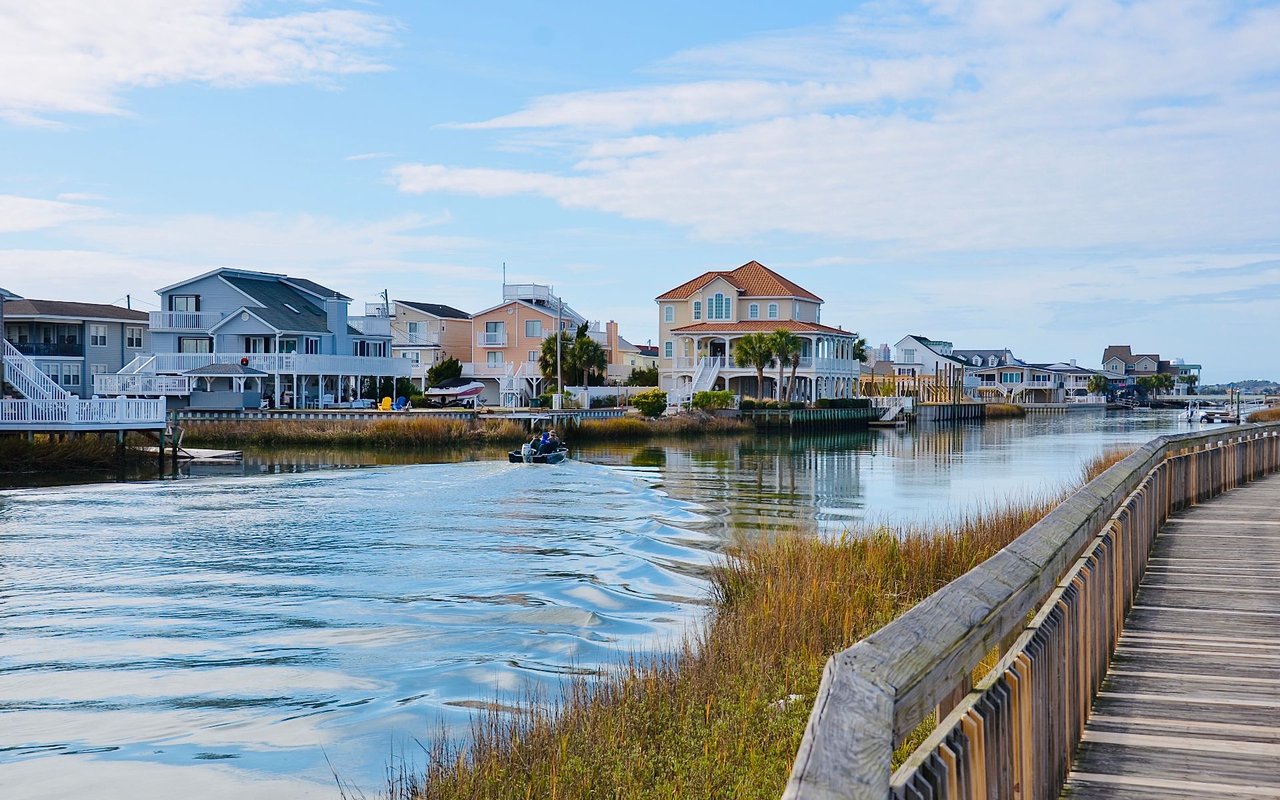
North Myrtle Beach Real Estate & Luxury Living
Features a variety of communities, fine dining, incredible golf, and water fun.
Features a variety of communities, fine dining, incredible golf, and water fun.
20,113 people live in North Myrtle Beach, where the median age is 59.9 and the average individual income is $50,430. Data provided by the U.S. Census Bureau.
Total Population
Median Age
Population Density Population Density This is the number of people per square mile in a neighborhood.
Average individual Income
North Myrtle Beach sits along the northern stretch of South Carolina's Grand Strand, a coastal city of roughly 21,000 permanent residents that swells into a vibrant vacation hub during peak travel seasons and settles into a quieter, more residential rhythm in the cooler months. Incorporated in 1968 through the consolidation of four original beach towns—Cherry Grove, Ocean Drive, Crescent Beach, and Windy Hill—the city blends decades of coastal heritage with the polish of modern upscale living.
What gives North Myrtle Beach its identity is the balance between laid-back tradition and modern amenities. It is widely regarded as the more relaxed, family-friendly counterpart to its busier neighbor to the south, and it carries the distinction of being the birthplace of Shag dancing, South Carolina's official state dance, with the cultural epicenter still pulsing along Ocean Drive's Main Street.
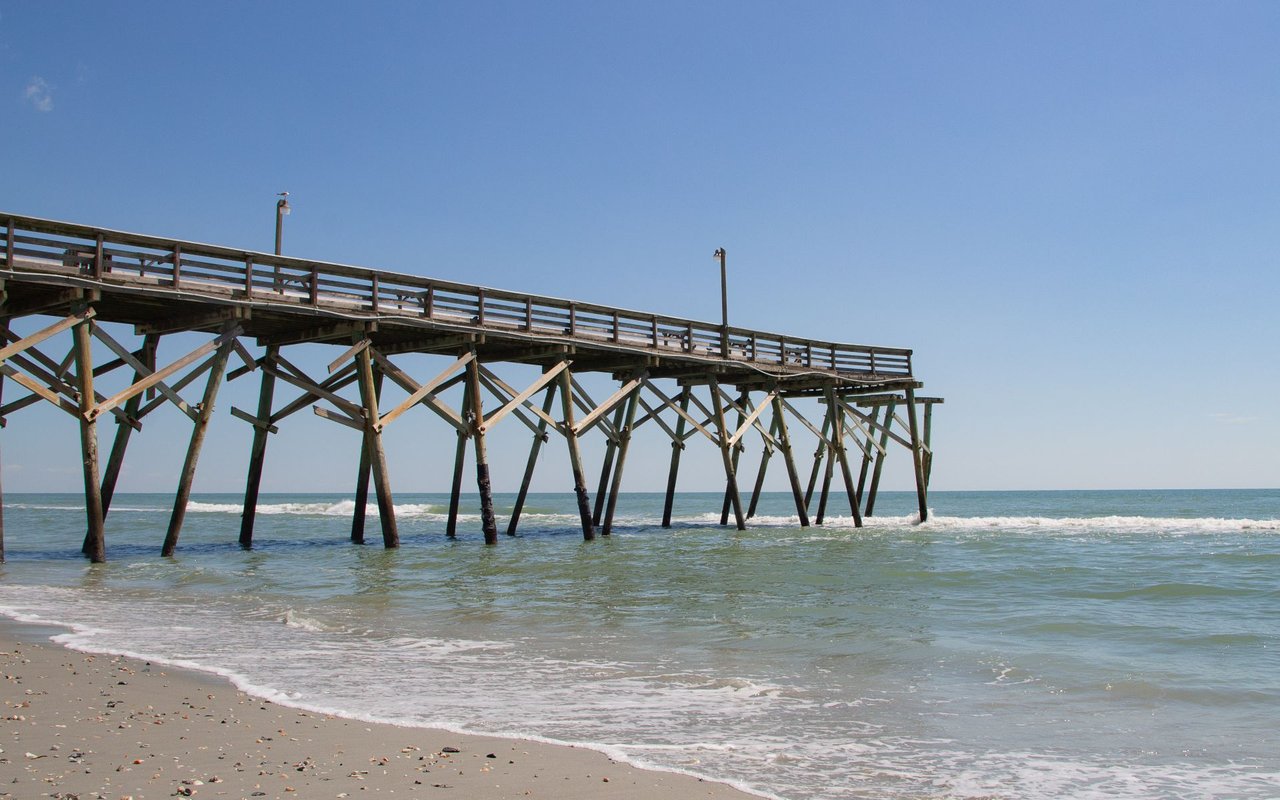
Outdoor life is the daily currency here. Beyond the wide Atlantic beaches, residents enjoy premier golf courses, the expansive North Myrtle Beach Park and Sports Complex, deep-sea fishing at the Cherry Grove Pier, and the open-air shopping and entertainment village of Barefoot Landing along the Intracoastal Waterway. The community itself reflects an affluent mix of retirees, second-home owners, and remote professionals—nearly 40% of adult residents hold a bachelor's degree or higher, and over 16% of the local workforce telecommutes.
The North Myrtle Beach real estate market reflects a highly unique, bifurcated landscape shaped by steady inward migration, remote work trends, and strong interest from second-home buyers and retirees relocating from the Northeast and Midwest. After the intense highs of the post-pandemic period and the subsequent rate-hike correction, the market has stabilized into a balanced environment—though the experience varies dramatically depending on the type of property you're chasing.
The median sale price currently floats comfortably around $388,000 to $390,000, with prices showing steady, modest year-over-year adjustments rather than dramatic swings. Days on market average anywhere from 60 to 140 days to go pending, heavily dependent on property type, positioning, and pricing accuracy.
The most important nuance to understand is that this is truly a tale of two markets:
Property Type | Inventory / Months Supply | Market Dynamics |
|---|---|---|
Single-Family Homes | ~4.8 Months Supply | Slightly favors sellers / balanced. Inventory is tight, particularly in family-oriented neighborhoods and new construction. Long-term relocation buyers continue to support demand. |
Condos / Co-ops | ~7.8 to 8.6 Months Supply | Firmly a buyer's market. Higher HOA fees, rising insurance, and structural assessments have placed inventory pressure on oceanfront resorts. Buyers have substantial leverage. |
North Myrtle Beach also features some of the newest housing stock in South Carolina. To combat high mortgage rates, builders have aggressively offered incentives—rate buy-downs, closing cost credits, and design upgrades—to keep transaction volumes steady. Meanwhile, the rise of work-from-home culture has converted many former vacation properties into primary residences, deepening the long-term residential base. The era of immediate multiple offers above asking price has wound down; today, accurately priced homes sell steadily, while overpriced listings sit and ultimately face price reductions.
Buying in North Myrtle Beach is less about chasing the lowest price and more about aligning your purchase strategy with the realities of coastal real estate. The right approach depends entirely on whether you're relocating full-time, securing a second home, or pursuing rental income.
Full-time relocators tend to do best in neighborhoods slightly inland or along the Intracoastal Waterway—areas like Barefoot Resort or Palmetto Harbor—where you get a buffer from peak summer tourist traffic while keeping HOA costs manageable. Second-home buyers, on the other hand, gravitate toward classic beach sections like Cherry Grove and Ocean Drive, where proximity to the sand outweighs convenience trade-offs. If you're buying for short-term rental income, zoning is everything: North Myrtle Beach enforces strict regulations, and most established single-family residential zones require minimum 30-day stays. Transient rentals are largely concentrated in oceanfront high-rises and properties zoned Resort Commercial (RC).
Due diligence in this market is also different than it is inland. For oceanfront or second-row condominiums, reviewing the HOA's financial reserves and recent structural meeting minutes is non-negotiable—rising insurance rates and updated regional safety regulations have triggered steep special assessments at some older buildings. And whether condo or single-family, every coastal budget needs to account for the "big three" insurance categories: hazard, wind/hail (typically through the South Carolina Windstorm and Hail Underwriting Association), and flood. Properties east of Highway 17 or near marsh channels usually sit in designated FEMA flood zones requiring active policies.
At the negotiation table, buyers have regained meaningful leverage. The sale-to-list ratio is currently hovering around 96.5%, meaning most properties close slightly below their asking price. Unlike the hyper-competitive climate of recent years, buyers can now successfully include home inspection contingencies, appraisal gaps, and home-sale contingencies without their offers being instantly discarded.
New construction is one of the most active segments of the local economy. Builders have recognized the continuous influx of out-of-state retirees and remote workers, and they've responded with planned communities offering modern layouts, energy-efficient building codes, and lower initial maintenance costs.
While oceanfront land is essentially built out aside from the occasional custom teardown-and-rebuild, new development is thriving just minutes from the shoreline—particularly along the Highway 17 and Intracoastal Waterway corridors and near the North Myrtle Beach Park and Sports Complex. National and prominent regional builders like Lennar, Ryan Homes, Pulte, and Beverly Homes dominate the landscape, with active developments such as Seachase Pointe, Hope Pointe, and Kingswood on the Waterway offering everything from low-maintenance townhomes to sprawling multi-story single-family homes.
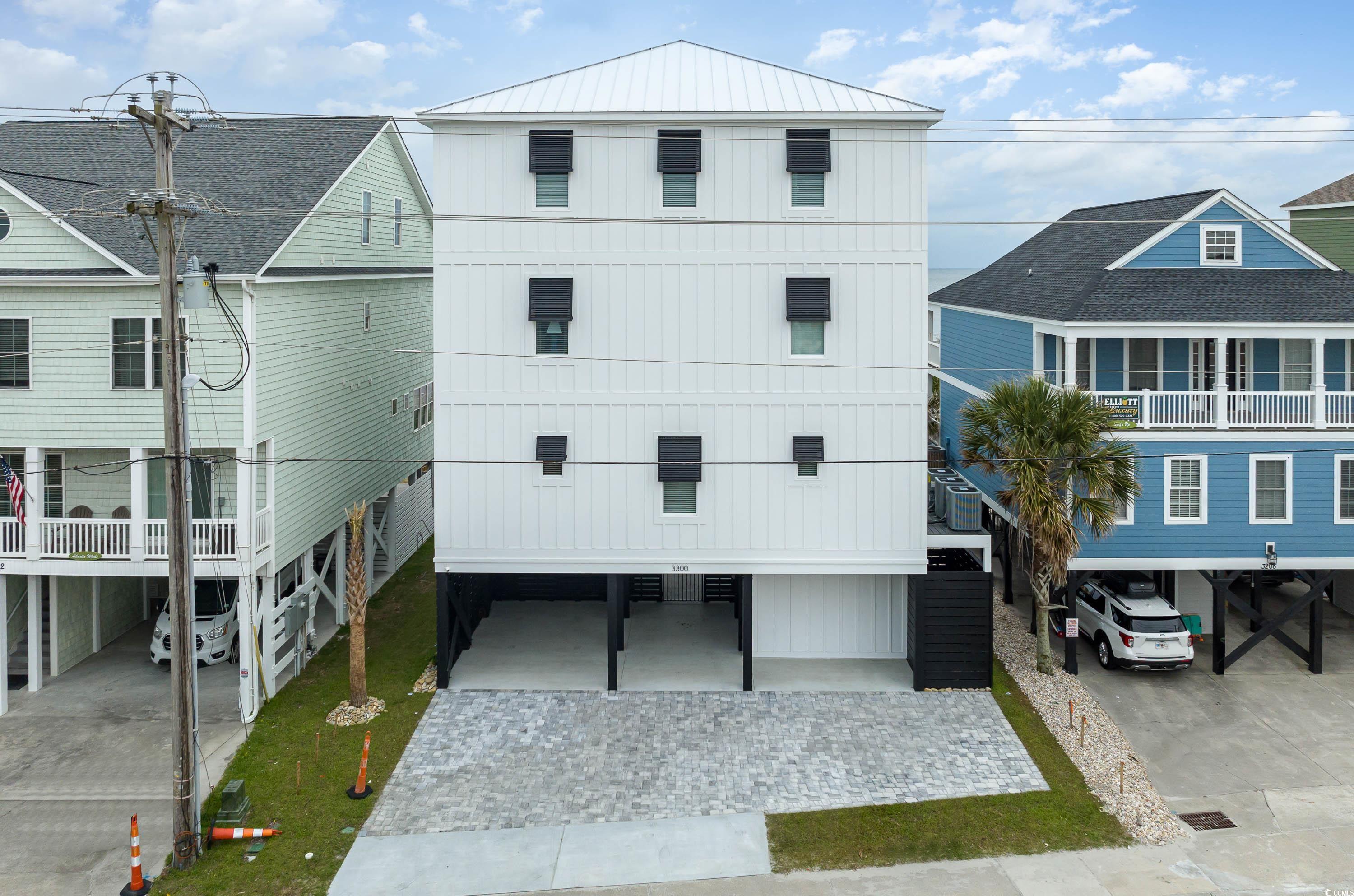
Pricing across new construction generally falls into three tiers. Entry-level townhomes and multi-family villas typically start in the $290,000 to $350,000 range. The sweet spot for single-family homes—three to five bedrooms, 1,700 to 2,600 square feet—ranges between $420,000 and $650,000. Luxury custom builds, including raised beach houses and waterway-front estates with elevators and private pools, easily push from $900,000 to well over $3,000,000.
The real edge with new construction right now is financial. Because corporate builders manage inventory closely, they're offering incentives that traditional resale sellers simply cannot match: interest rate buy-downs (some advertising rates in the 4% or low 5% range through preferred lenders), closing cost assistance that can cover up to 100% of buyer-side costs, and structural or design upgrades thrown in to move spec inventory. A piece of advice that pays for itself: always hire an independent buyer's agent when visiting a new construction community. The on-site sales representative works for the builder—having your own representation ensures your interests are protected during phase walkthroughs and final blue-tape inspections.
Buying property along this stretch of the coast comes with considerations that simply don't exist in inland markets. The five points below are the ones that catch most out-of-state buyers off guard.
Coastal insurance is its own category. A standard homeowners policy here costs significantly more than the national average due to hurricane exposure, with mid-range homes running roughly $3,500 to $4,500+ annually. Wind and hail coverage is often excluded from base policies and requires a separate rider or a policy through the South Carolina Windstorm and Hail Underwriting Association (commonly called the "Beach Plan"). Flood insurance is dictated by FEMA flood maps—properties east of Highway 17 or near Cherry Grove's marsh channels frequently require separate NFIP or private flood policies that can add thousands to annual carrying costs.
Short-term rentals are zoned, not assumed. Single-family residential neighborhoods strictly prohibit transient rentals, often enforcing 30-day minimum stays. Short-term rentals are concentrated in Resort Commercial zones, oceanfront high-rises, and specific master-planned districts like Barefoot Resort. To operate legally, owners must obtain a City Business License, submit a Short-Term Rental Management Form, and collect and remit local, county, and state accommodations taxes. Rental platforms don't always automate every local tax allocation, leaving uninformed owners liable for compliance gaps.
Condo ownership comes with rising overhead. While condo prices currently favor buyers, the lower purchase prices often come with a catch. High-rise HOAs are absorbing steep increases in commercial master insurance premiums, pushing monthly dues anywhere from $500 to over $1,000 depending on the building's amenities. State safety laws also mandate rigorous structural integrity reserves—reviewing the HOA's meeting minutes and reserve studies before closing is essential, because buildings with major structural needs and insufficient reserves can hit owners with sudden, significant special assessments.
Property taxes treat primary and secondary homes very differently. If you relocate permanently and register the property as your primary residence, your legal assessment rate is 4%. Vacation homes, second homes, and investment properties are assessed at 6%—and because of how Horry County's tax formulas work, that 6% assessment results in a tax bill that is often nearly triple what a primary resident pays for the exact same property value.
South Carolina is an attorney closing state. State law requires a licensed attorney to supervise all residential real estate closings, perform the title search, and clear any liens. The buyer selects and pays the closing attorney, with typical fees running between $500 and $1,000. The state also charges Deed Stamps of $3.70 per $1,000 of the sales price; while traditionally paid by the seller, this is technically negotiable.
A practical takeaway: always request a comprehensive CLUE (Comprehensive Loss Underwriting Exchange) report to review past weather or water claims, and obtain binding insurance quotes during your due diligence period—never the week of closing.
North Myrtle Beach is a patchwork of distinct coastal communities. While the city was originally consolidated from four beach towns, it has since grown to include exclusive master-planned golf communities and modern, high-amenity residential subdivisions—each with its own personality, price point, and lifestyle rhythm.
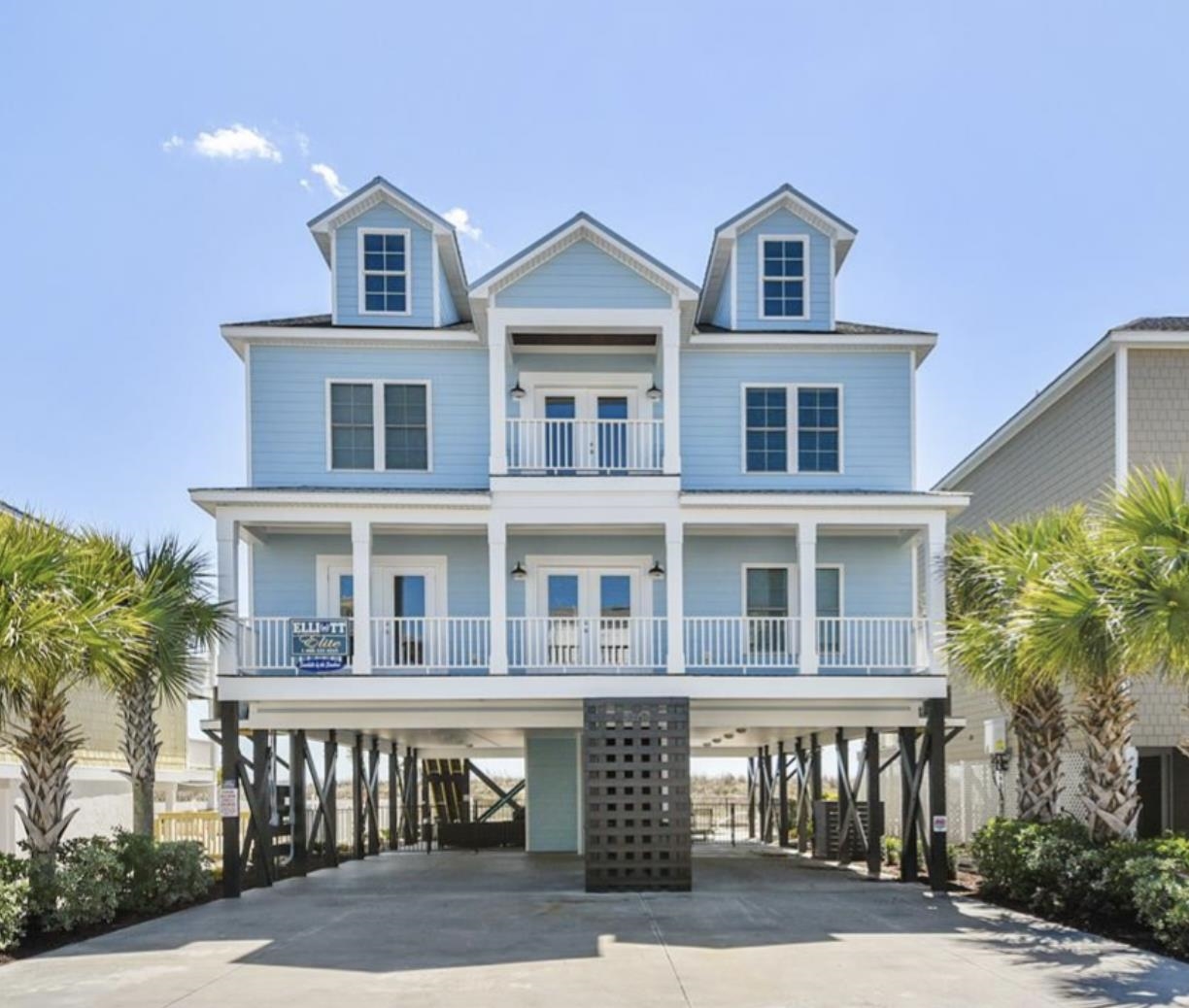
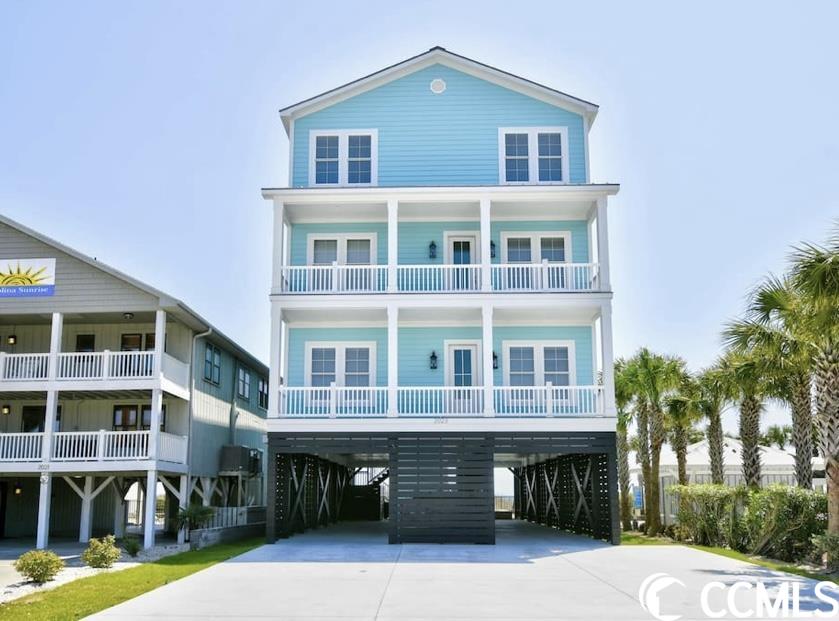
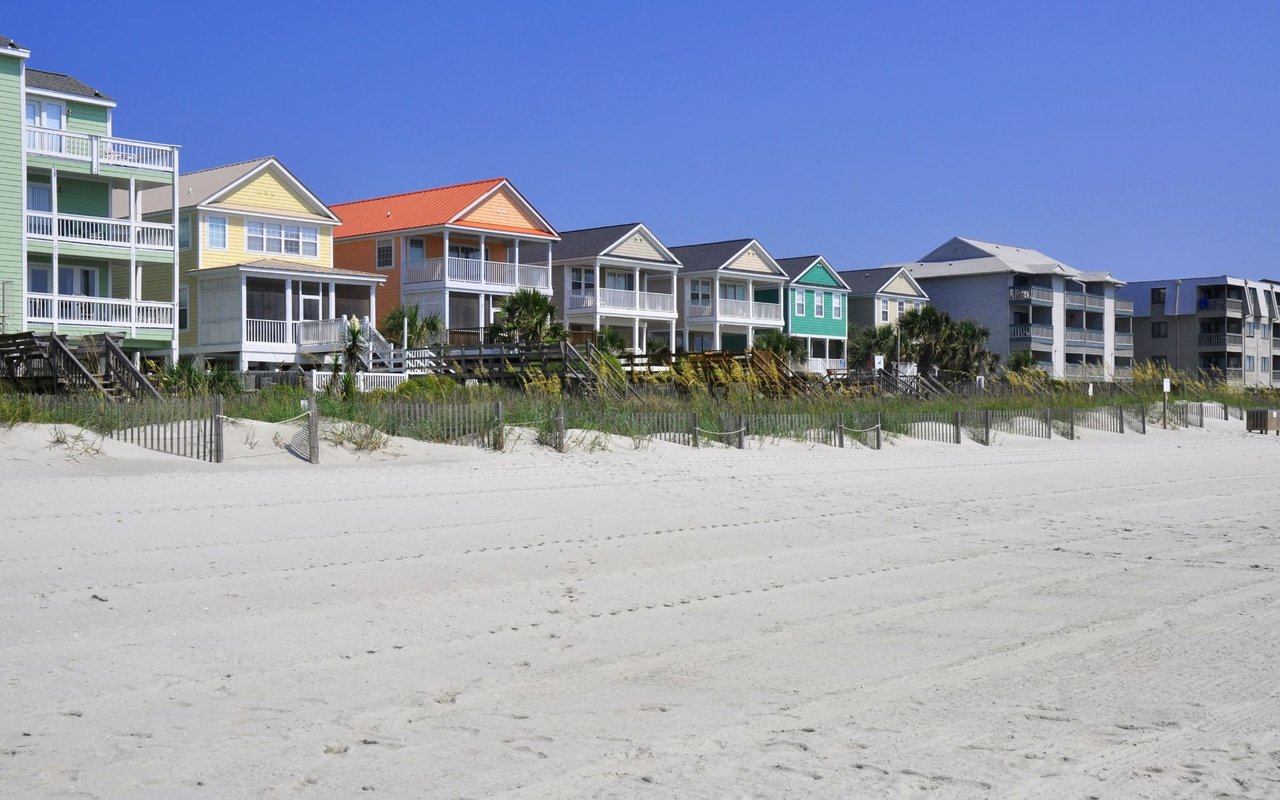
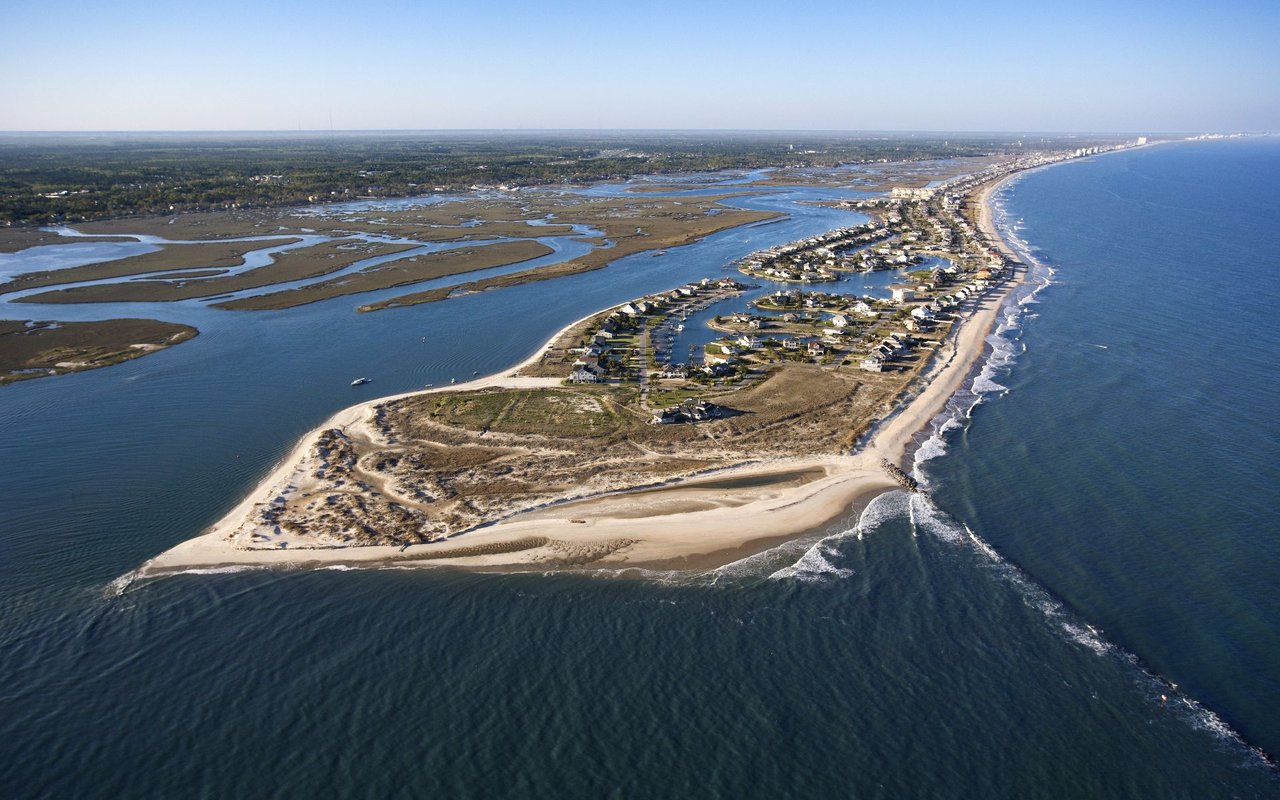
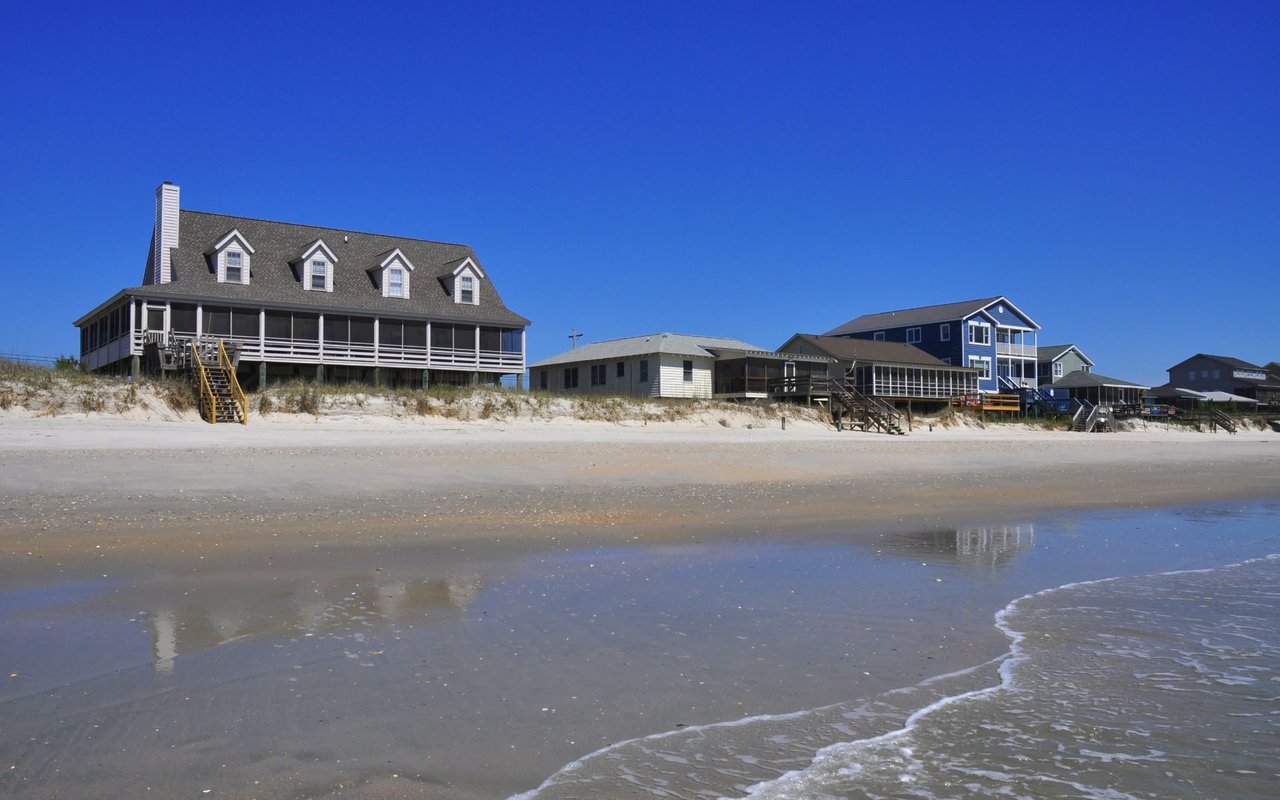
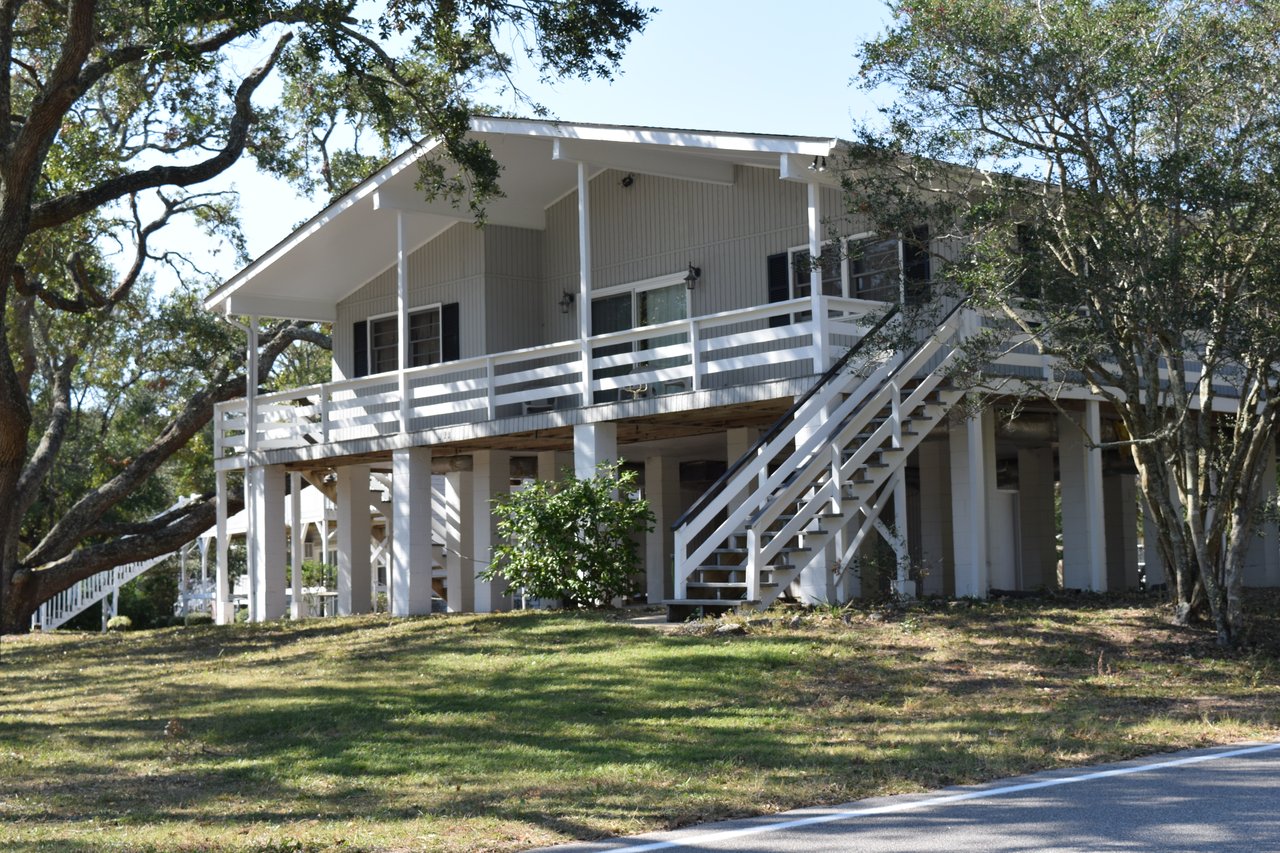
Cherry Grove is the northernmost beach section and arguably the most distinctive, defined by an extensive network of saltwater marsh channels and canals that give it a character unlike anywhere else on the Grand Strand. The housing stock here is a mix of vintage mid-century stilt cottages, massive multi-story raised beach houses, and low-rise oceanfront condos. It's the capital of deep-sea fishing—home to the iconic Cherry Grove Pier—and a haven for kayaking. Because of its channel system and oceanfront exposure, it carries some of the highest flood insurance requirements in the city, and short-term rentals are heavily concentrated here.
Ocean Drive is the historical and cultural heartbeat of North Myrtle Beach. Centered around Main Street, it's globally celebrated as the birthplace of the Shag dance, and its identity is built around that legacy. Housing ranges from oceanfront high-rises to historical single-family cottages and luxurious estate homes set a few blocks back from the water. Exceptionally walkable and golf-cart friendly, living in Ocean Drive means easy access to oceanfront festivals, live beach music, shag clubs, and local dining—and property values here remain remarkably resilient through market cycles.
Positioned directly between Ocean Drive and Windy Hill, Crescent Beach acts as a quieter, predominantly residential transition zone. The beachfront is dominated by a strip of high-rise oceanfront condo towers, while the interior gives way to well-established mid-century single-family homes. It offers a slightly calmer summer atmosphere than Ocean Drive or Cherry Grove, making it a longtime favorite among secondary-home owners who still want to be steps from the Atlantic.
Windy Hill is the southernmost beach section of the city, bordered by the Atlantic on one side and the expansive Barefoot Landing entertainment complex across Highway 17 on the other. Housing here is a dense blend of resort-style high-rises, timeshares, and classic single-family homes. The location is exceptionally convenient for shopping and dining, though it gets noticeably congested during peak tourist seasons due to its proximity to major commercial attractions.
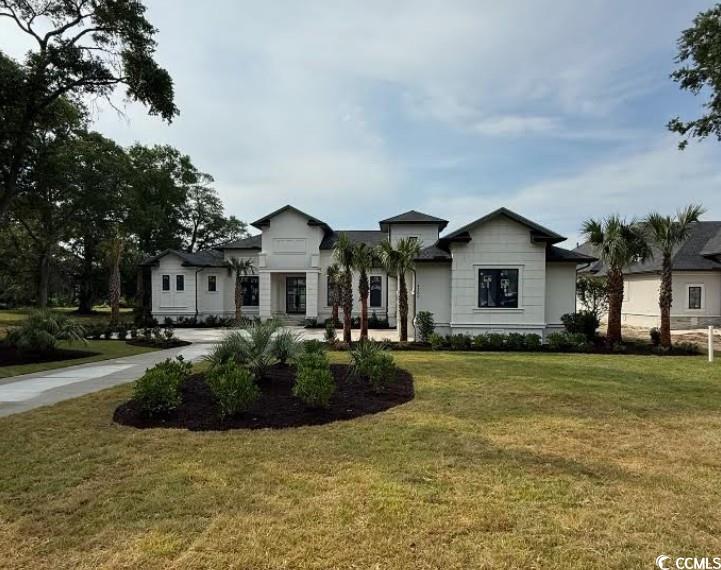
Tilghman Estates is one of the most prestigious and established luxury neighborhoods in North Myrtle Beach. It features sprawling, custom-built single-family estates, brick ranch homes, and luxury builds sitting on large, mature lots—many of which frame the historic Surf Golf and Beach Club. Located east of Highway 17, Tilghman delivers a rare combination: peaceful, heavily wooded, private properties that are still within walking or golf-cart distance to the ocean. HOAs here are active but generally reasonable compared to oceanfront condo resorts.
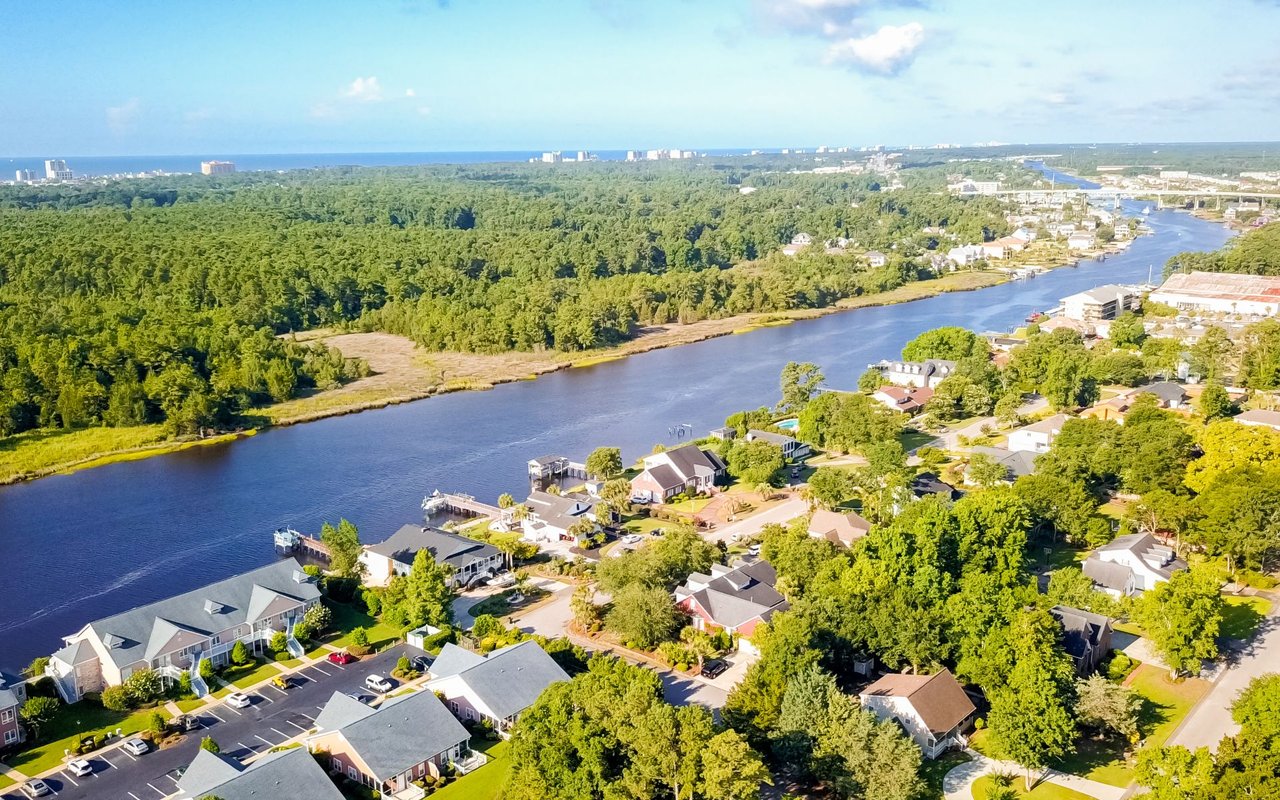
Barefoot Resort is a 2,300-acre master-planned community nestled along the Intracoastal Waterway, and its scale shapes everything about it. The housing mix is highly diverse, from affordable multi-family condos and townhomes to multi-million-dollar custom luxury estates. It's a golfer's paradise with four championship courses designed by Fazio, Love, Norman, and Dye, and residents enjoy access to a private beach cabana, a massive marina, and miles of walking trails. One important nuance: different sub-neighborhoods within Barefoot have varying HOA structures and rules regarding short-term renting, so buyers need to look at the specific section rather than treating the resort as a single entity.
Tidewater Plantation is a secure, heavily gated golf community tucked away in the northern section of the city, occupying a peninsula between the Intracoastal Waterway and the saltwater marshes of Cherry Grove. The housing stock is upscale single-family custom homes, patio homes, and quiet townhouses and condos. The neighborhood is known for its dramatic topography and pristine natural preservation, and it features the top-ranked Tidewater Golf Club along with pools, tennis courts, and fitness centers. Because it sits entirely west of the marsh, it functions as a peaceful enclave completely isolated from tourist traffic.
Seaside Plantation is an exclusive gated neighborhood located just two short blocks from the ocean in the Ocean Drive/Tilghman area, and it's unusually rare for what it offers: gated security and privacy east of Highway 17. The housing is predominantly high-end, custom-built all-brick estate homes, many featuring private lakefront lots and meticulously manicured landscaping. The community includes a private clubhouse, pool, hot tub, and dedicated golf-cart parking, and it strictly values a quiet, non-transient lifestyle.
Robber's Roost is a newer eco-friendly residential subdivision located just behind the Coastal North Town Center, built on a former golf course. The homes are modern, energy-efficient single-family smart homes featuring natural gas, James Hardie siding, and upscale interior trims. What sets it apart is the golf-cart lifestyle at its peak: residents can use backroads via golf cart to reach Publix, restaurants, and the beach without ever merging onto major highways. It has quickly become one of the most popular options for modern families.
The single biggest decision shaping your North Myrtle Beach budget, lifestyle, and ongoing financial liability is whether you buy directly oceanfront or move just a few miles inland.
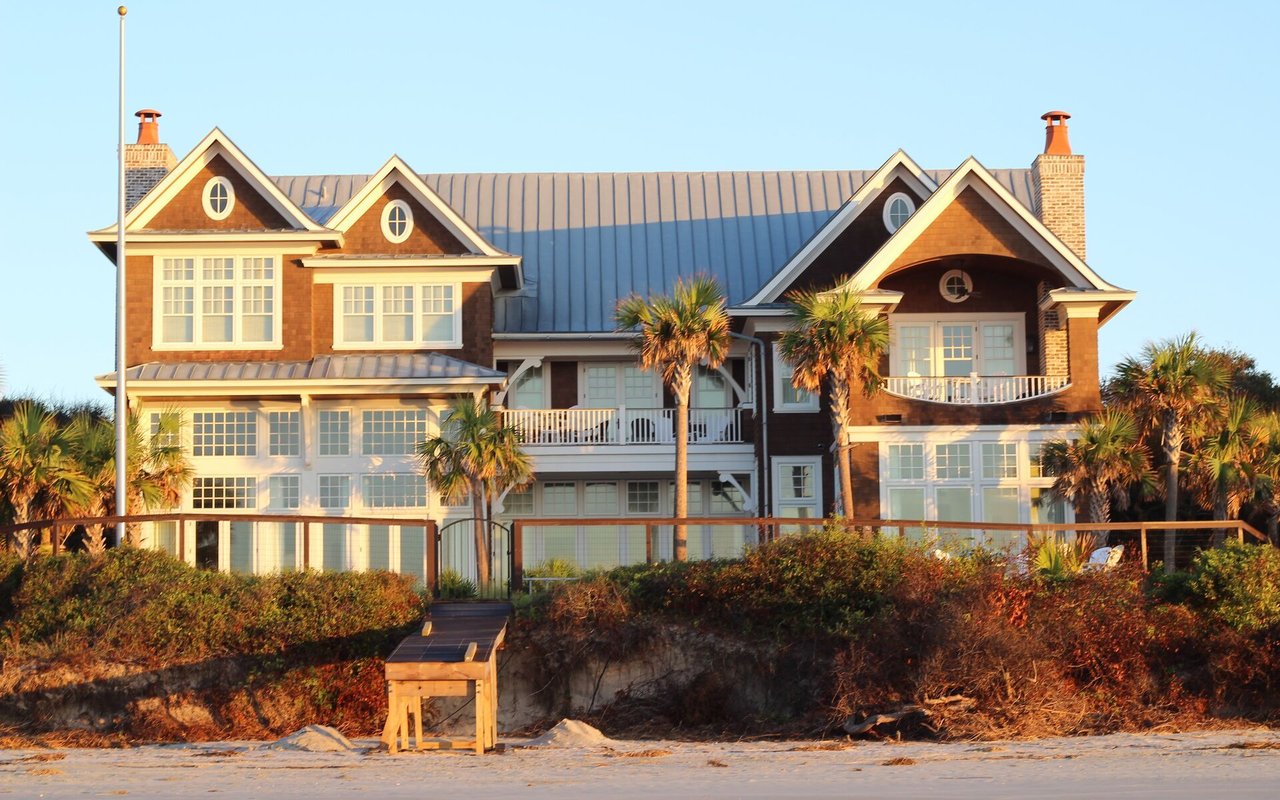
Oceanfront living delivers unmatched views, immediate beach access, and a front-row seat to coastal energy—but the barrier to entry is high. While the median home in North Myrtle Beach sits around $390,000, luxury oceanfront single-family homes easily push past $1.5 to $3 million, and oceanfront condos command a strong premium per square foot. The hidden overhead is also real: saltwater air and humidity accelerate wear and tear on HVAC units, exterior paint, siding, and deck hardware. Oceanfront high-rises are currently absorbing structural safety mandates that have driven HOA fees up significantly. The upside, if rental income is part of your strategy, is that oceanfront properties yield the highest nightly rates and peak summer occupancy of any segment in the market.
Inland properties—west of Highway 17 or along the Intracoastal Waterway—offer a fundamentally different value equation. Buyers consistently find they can purchase a spacious, modern four-bedroom single-family home with a two-car garage and private yard for the same price as a one- or two-bedroom oceanfront condo. The risk profile is also significantly mitigated: while wind and storm policies remain smart coastal practice, inland properties generally sit outside high-cost FEMA flood zones, which drops annual insurance premiums substantially. HOA fees in inland master-planned subdivisions are typically a fraction of oceanfront condo costs because there's no high-rise commercial structure to insure or maintain. The trade-off is straightforward: you give up immediate beach access for space, value, and lower ongoing carrying costs.
North Myrtle Beach is one of the most established golf destinations in the country, and that infrastructure makes golf course communities some of the most stable and lifestyle-rich neighborhoods in Horry County. Living directly on a golf course lot typically commands a 15% to 30% pricing premium over an identical home elsewhere in the same neighborhood—a premium that protects your backyard views from future development and guarantees rolling greens.
The most important thing to understand before buying into a golf community is that owning a home doesn't automatically grant you golf privileges. Membership structures vary widely. Some high-end HOAs bundle social memberships or basic course access into mandatory dues. Communities like the Surf Golf & Beach Club (Tilghman) and Tidewater offer fully optional, tier-based private memberships requiring initial initiation fees and monthly club dues that can range from a few thousand to over $10,000 annually. Mega-resorts like Barefoot operate semi-public courses where residents receive deep discounts on daily tee times without needing a fully vested club membership.
Architectural Review Boards in these communities also maintain strict authority over what trees you can cut down, what colors you can paint your home, and what fencing you can place near the fairways—so personal architectural freedom is more limited than in a standard subdivision. And one structural point of advice worth keeping in mind: if you're buying a home flanking a fairway or tee box, study the geometry of the hole before writing an offer. Homes positioned roughly 150 to 250 yards from the tee box on the right side—the "slice zone"—are statistically more susceptible to stray balls, which can mean broken windows and higher maintenance over time.
Gated and resort-style living forms the backbone of North Myrtle Beach's premier housing segments. These master-planned communities offer controlled access, manicured shared spaces, and active homeowner associations that manage everything from amenities to architectural standards.
Security generally falls into two categories. Twenty-four-hour guard-gated communities—Tidewater Plantation, ultra-luxury enclaves within Barefoot Resort, and Seaside Plantation—feature staffed gatehouses that vet incoming traffic. Other mid-range gated subdivisions rely on automated barcode scanners, RFID chips, or call-box keypads, which still effectively keeps tourist traffic out of residential streets.
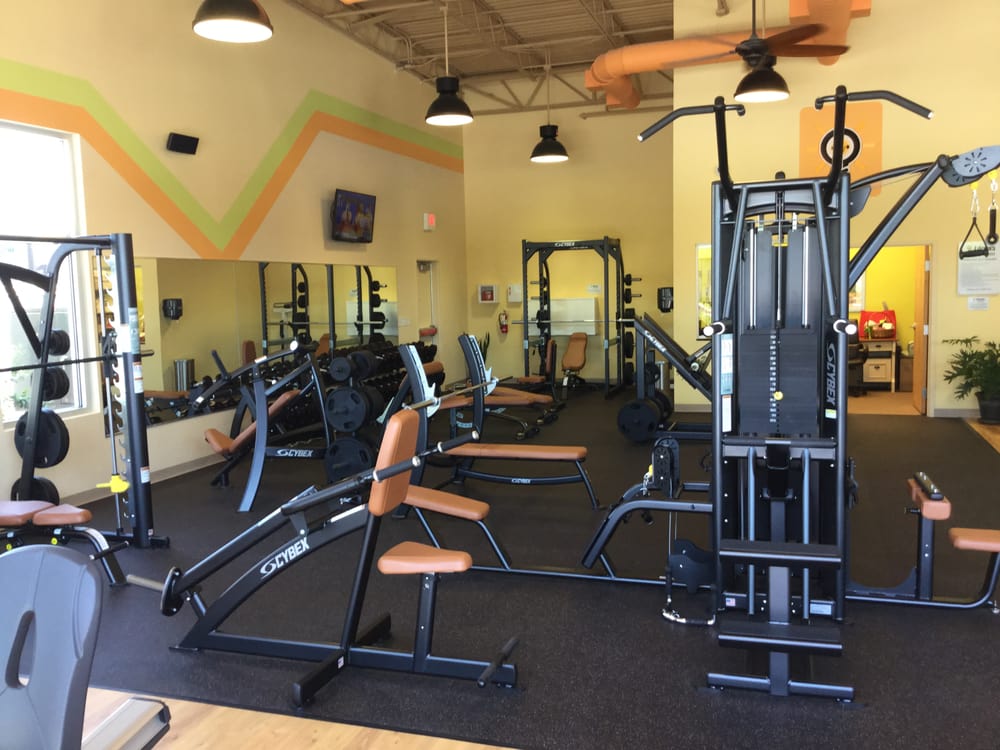
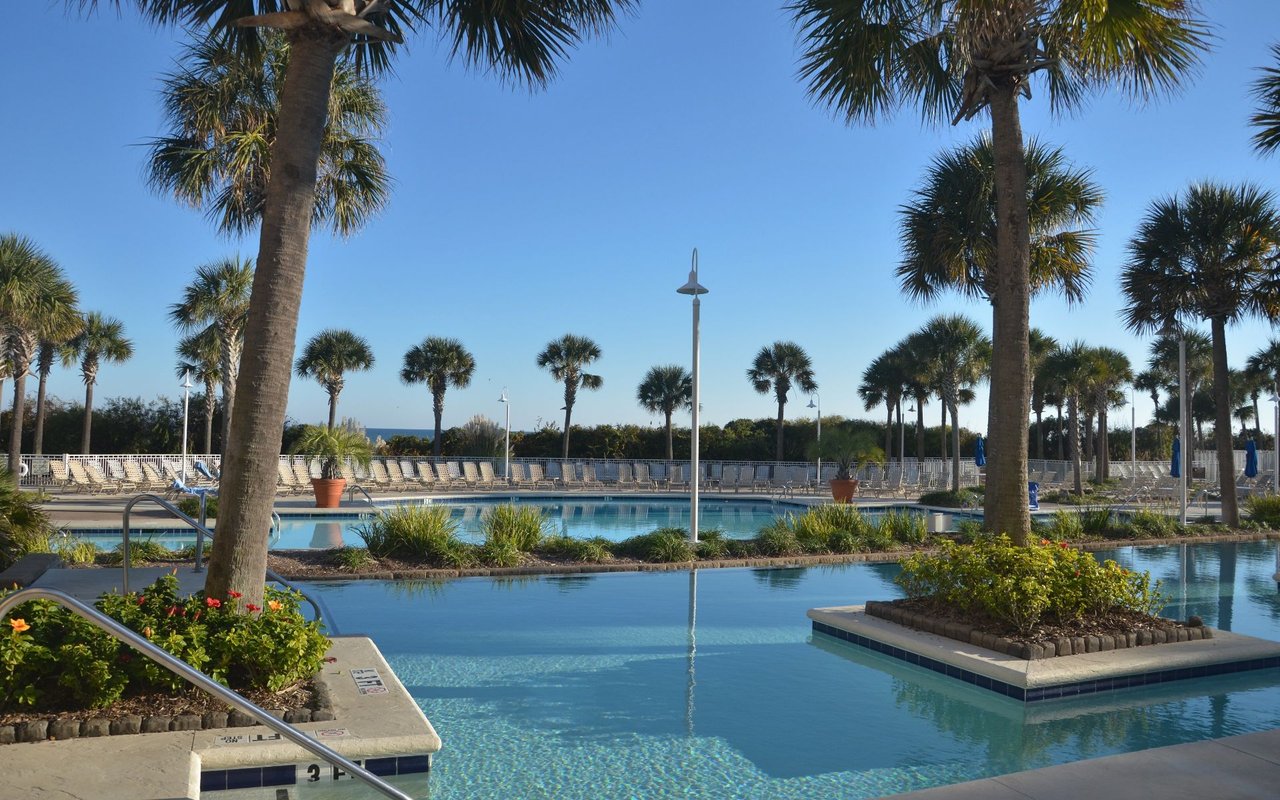
What you're really buying into, though, is a built-in lifestyle infrastructure that goes well beyond a neighborhood pool. Many of these communities own private oceanfront cabanas—Barefoot Resort being the most well-known—where residents can take a community shuttle or park their golf carts right at the oceanfront and access private restrooms, showers, and lounge decks without dealing with public beach crowds. Communities flanking the Intracoastal Waterway often include private boat docks, day docks, boat storage, or full-service marinas like Barefoot Marina. State-of-the-art fitness centers, walking trails, multi-million-dollar clubhouses, tennis courts, and dedicated pickleball complexes are now standard, not exceptional.
Because North Myrtle Beach accommodates such a wide range of buyers, the right neighborhood depends almost entirely on your current stage of life and what you actually want out of this market.
Families relocating here typically prioritize safe streets, low traffic, proximity to well-rated schools like Ocean Drive Elementary, and easy access to youth sports complexes. Robber's Roost is a standout—a golf-cart-friendly subdivision where kids can ride bikes safely and families can reach Publix, dining, and the beach via backroads without crossing major highways. The single-family sub-neighborhoods of Barefoot Resort, such as Coquina Ridge and Brookstone, offer traditional cul-de-sac layouts, low traffic speeds, community pools, and walking paths, alongside robust holiday and community programming. Hope Pointe, a newer master-planned Ryan Homes community along the Intracoastal Waterway, has also become a top choice—particularly for families who want a fresh, energy-efficient build with structural warranties and zero immediate home maintenance.
Retirees here generally look for quiet surroundings, low-maintenance properties, strong social networks, and proximity to medical facilities and golf. Tidewater Plantation is the ultimate retreat for retirees seeking a secure, peaceful, visually stunning setting—gated, buffered by marshes and the Intracoastal Waterway, and home to highly active golf, tennis, and pickleball groups. Del Webb North Myrtle Beach is the premier active-adult (55+) master-planned community, purpose-built for empty nesters with a sprawling clubhouse, fitness center, indoor lap pool, resort pool, pickleball courts, and full-time lifestyle directors organizing daily activities. Tilghman Estates suits affluent retirees who want an established, custom home on a mature lot with privacy—a quiet, dignified setting framing the historic Surf Golf and Beach Club, within golf-cart distance of the ocean and free of the cookie-cutter feel of newer master-planned developments.
Investors and second-home buyers need favorable short-term rental zoning, resilient property values, and strong historical occupancy. Cherry Grove is the short-term rental capital of single-family homes in the city—the channel system allows investors to purchase raised stilt houses with both beach access and private boat docks, and the Cherry Grove Point area draws multi-generational vacation crowds year after year. Ocean Drive, particularly Main Street and the oceanfront strip, is excellent for condo investors and vacation home buyers who want historic beach culture; oceanfront high-rises here are insulated from vacancy risk because tourists actively want to walk directly to Main Street's shag clubs and festivals. For a lower entry point, Barefoot Resort's condo villas—Riverview, Ironwood, and The Havens—offer 2- and 3-bedroom golf villas with established on-site property management, allowing out-of-state owners to seamlessly lease to golf groups in spring and beachgoers in summer.
North Myrtle Beach public education is managed by Horry County Schools (HCS), a county-wide district that consistently earns an "A-minus" rating from national databases like Niche and ranks among the top 15 school districts in South Carolina.
Families living within the city limits generally follow a unified local feeder track. Ocean Drive Elementary, located right in the heart of the city, regularly earns high praise for strong parental involvement, an excellent student-to-teacher ratio of roughly 14:1, and top-tier student growth metrics. From there, students move on to North Myrtle Beach Middle School in nearby Little River, which emphasizes robust STEM programming and transitional counseling. North Myrtle Beach High School serves as the area's central high school, recognized for solid graduation rates, comprehensive AP coursework, and strong athletic and fine arts programs.
What many families don't realize until they arrive is that because HCS operates as a unified county district, students aren't restricted to their zoned base schools. High-achieving or specialized students can apply to competitive district-wide secondary academies—the Academy for the Arts, Science, and Technology (AAST), which offers majors in pre-engineering, computer science, and biomedical sciences; the Academy for Technology and Academics (ATA), which provides direct certifications in culinary arts, automotive technology, digital media, and health sciences; and the Early College High School on the campus of Horry-Georgetown Technical College, where ambitious students can graduate with both a high school diploma and a fully transferable two-year Associate Degree simultaneously.
The defining hallmark of daily life in North Myrtle Beach is the ubiquitous use of street-legal golf carts. State and city laws permit residents to drive properly equipped golf carts on secondary roads with speed limits of 35 mph or less during daylight hours, as long as they stay within four miles of their residence. Neighborhoods like Robber's Roost, Ocean Drive, and Cherry Grove are heavily integrated with custom golf-cart parking paths at public beach access points, grocery stores, and restaurants—making the cart a genuine second vehicle rather than a novelty.
The North Myrtle Beach Park and Sports Complex is the crown jewel for active families. This expansive inland facility includes baseball and soccer complexes, public dog parks, miles of walking trails, an amphitheater that hosts a live summer concert series, and a wakeboard and zip-line adventure park centered around a freshwater quarry lake. For adults and retirees, social life often revolves around the historic beach music clubs along Main Street—Fat Harold's Beach Club and the OD Pavilion among them—where the Shag is celebrated through year-round festivals, weekly socials, and national dance championships.
North Myrtle Beach takes a different approach to nightlife and food than its neighbor to the south. Rather than relying on amusement parks and flashy boardwalks, it leans into a mix of award-winning upscale restaurants, waterfront entertainment villages, and well-loved local fixtures.
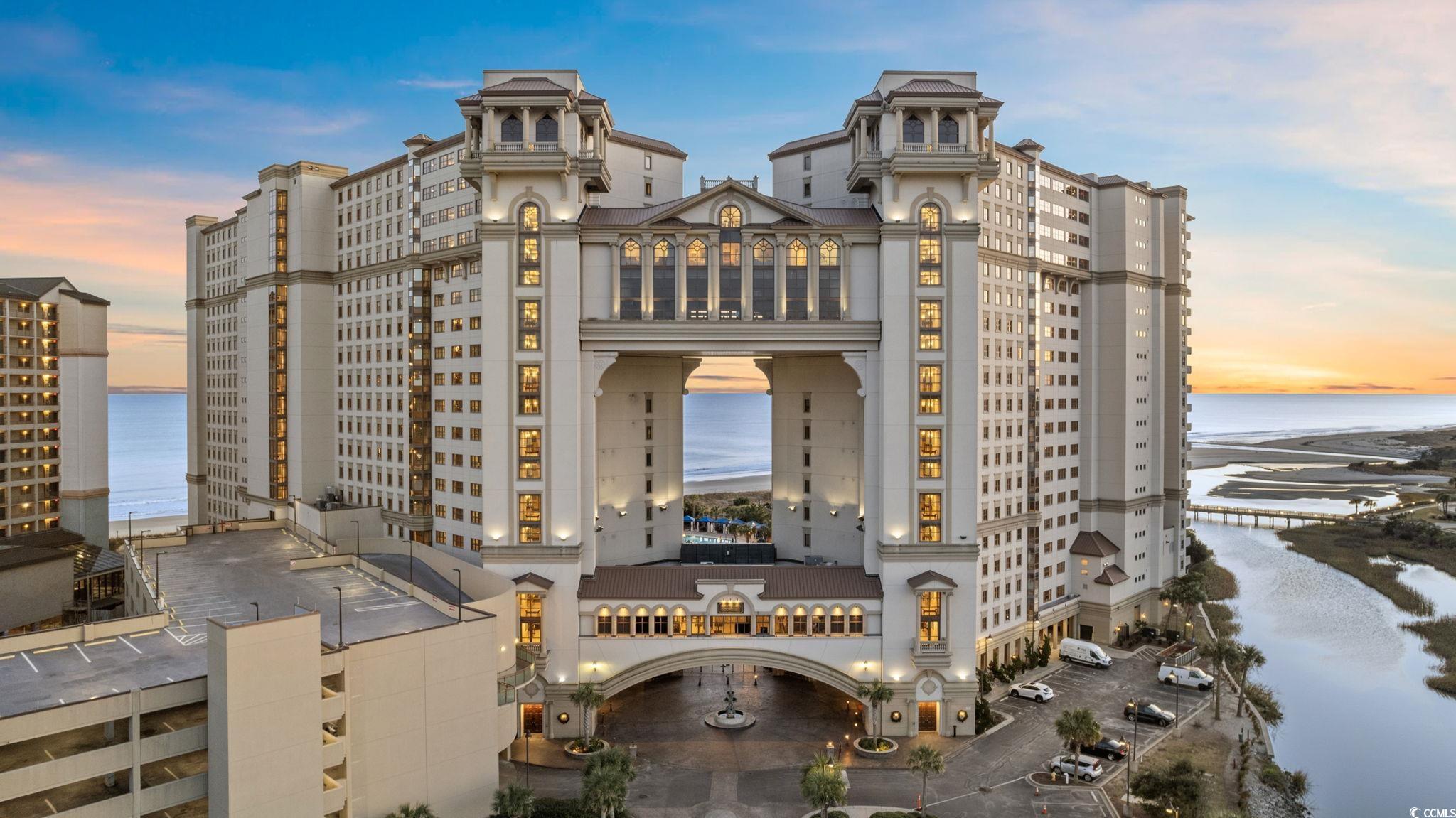
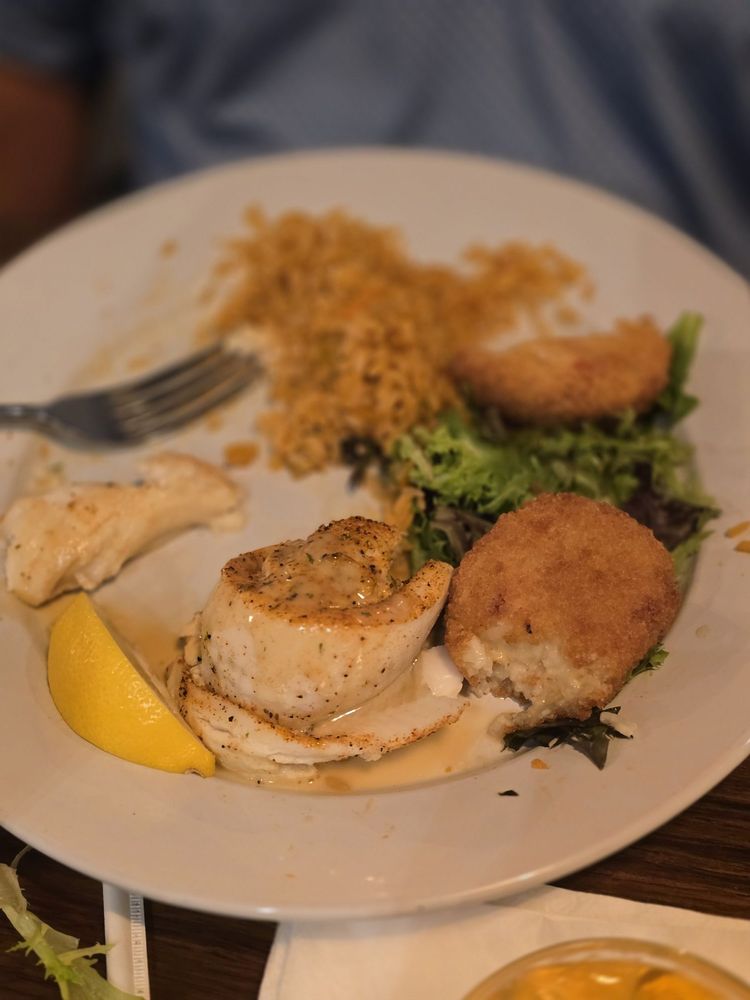
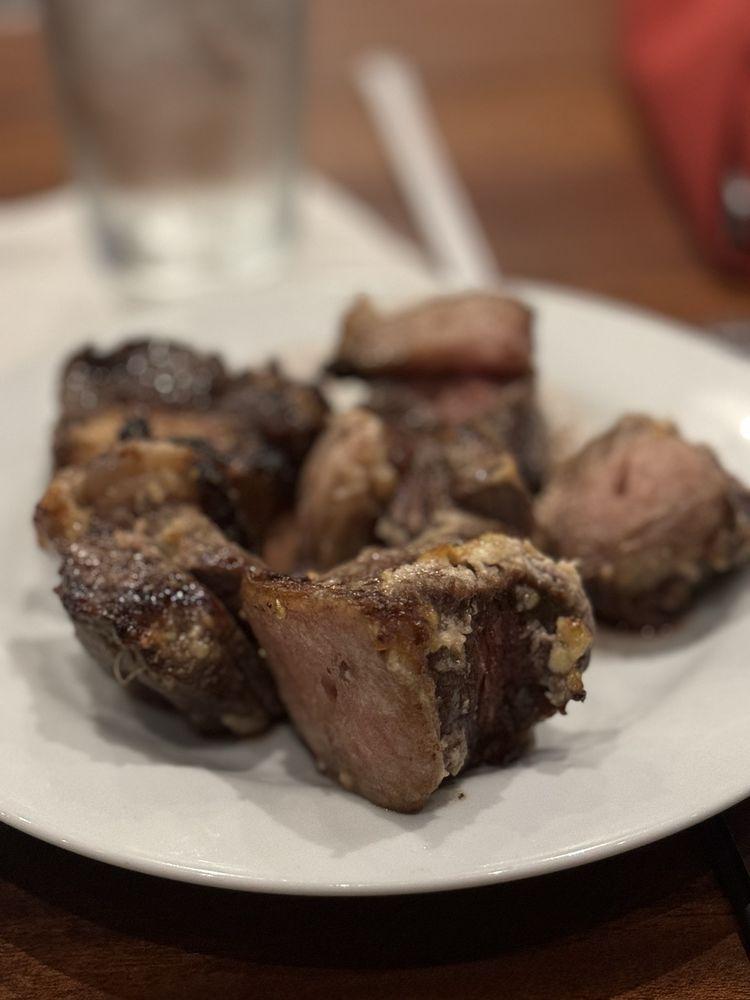
On the upscale end, 21 Main Prime Steakhouse inside the North Beach Resort & Villas is the premier choice for fine dining, celebrated for its 28-day dry-aged USDA Prime cuts and courtyard sushi bar. SeaBlue Restaurant & Wine Bar delivers an intimate, ultra-premium experience recognized for a world-class, multi-award-winning wine list and locally sourced contemporary American menu. For waterfront energy, Flying Fish Public Market & Grill at Barefoot Landing combines a casual seafood market and sushi bar directly over the Intracoastal Waterway, while Rockefellers Raw Bar remains a beloved local fixture for steam kettles and Lowcountry boils.
The two major commercial entertainment anchors are Barefoot Landing and Main Street. Barefoot Landing, built along the Intracoastal Waterway, is the area's focal point for shopping, dining, and evening entertainment, featuring the House of Blues, the Alabama Theatre's live variety shows, and newer waterfront concepts like Big Chill Island House and Crooked Hammock Brewery with its family-friendly outdoor backyard. Main Street, by contrast, offers a more walkable, localized block of boutiques, surf shops, open-air bars, and pizzerias that capture the historic beach-town personality the city was built on.
The honest reality of buying or selling in North Myrtle Beach is that every transaction is shaped by details that don't show up on a listing page—HOA reserve health, flood zone designations, short-term rental zoning, primary versus secondary tax assessments, and the specific personality of each sub-neighborhood inside larger resorts like Barefoot. That's where having a local, experienced guide makes the difference.
Jan and Dan Sitter of Coastal Beach Homes LLC are licensed South Carolina real estate agents who specialize in the Grand Strand and know North Myrtle Beach at the level of detail this guide reflects. They personally handle all aspects of each transaction—buyer representation, listing strategy, contract negotiation, inspection coordination, and closing oversight—and stay in direct communication with their clients throughout the process. Their approach is built around the belief that buying or selling a home is a life decision, not just a transaction, and clients consistently describe them as professional, resourceful, and genuinely invested in the outcome.
Whether you're exploring Cherry Grove for a second home, weighing Tidewater Plantation for retirement, evaluating new construction along the waterway, or preparing to list a property, Jan and Dan are available to help you think through the decision before you ever sign anything.
Jan and Dan Sitter | Coastal Beach Homes 9628 N Kings Hwy, Myrtle Beach, SC 29572 Phone: (854) 269-1593 Email: [email protected]
There's plenty to do around North Myrtle Beach, including shopping, dining, nightlife, parks, and more. Data provided by Walk Score and Yelp.
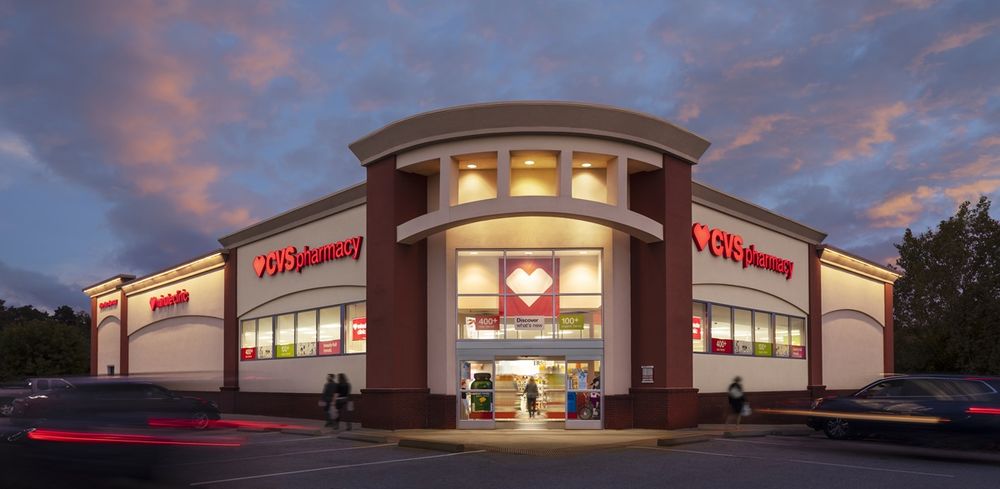
Explore popular things to do in the area, including CVS Pharmacy, Cha House - North Myrtle Beach, and Parlor Doughnuts.
| Name | Category | Distance | Reviews |
Ratings by
Yelp
|
|---|---|---|---|---|
| Dining · $ | 0.46 miles | 16 reviews | 1.3/5 stars | |
| Dining | 0.48 miles | 49 reviews | 3.9/5 stars | |
| Dining | 0.48 miles | 27 reviews | 4.3/5 stars | |
| Dining · $$ | 0.48 miles | 200 reviews | 3.9/5 stars | |
| Dining · $$$ | 0.5 miles | 140 reviews | 4.4/5 stars | |
| Dining | 0.5 miles | 1 review | 1/5 stars | |
| Dining · $$ | 0.51 miles | 81 reviews | 3.5/5 stars | |
| Dining | 0.52 miles | 5 reviews | 1/5 stars | |
| Dining · $$$ | 0.52 miles | 221 reviews | 4.2/5 stars | |
| Dining · $$ | 0.54 miles | 195 reviews | 3.2/5 stars | |
| Dining | 0.54 miles | 0 reviews | 0/5 stars | |
| Shopping | 0.48 miles | 5 reviews | 5/5 stars | |
| Shopping | 0.48 miles | 9 reviews | 2.4/5 stars | |
| Active | 0.43 miles | 5 reviews | 3.6/5 stars | |
| Active | 0.44 miles | 18 reviews | 4.1/5 stars | |
| Nightlife | 0.54 miles | 0 reviews | 0/5 stars | |
| Beauty | 0.23 miles | 0 reviews | 0/5 stars | |
| Beauty | 0.43 miles | 20 reviews | 2.4/5 stars | |
| Beauty | 0.45 miles | 93 reviews | 2.6/5 stars | |
| Beauty | 0.47 miles | 19 reviews | 1.9/5 stars | |
| Beauty | 0.48 miles | 2 reviews | 3/5 stars | |
| Beauty | 0.53 miles | 0 reviews | 0/5 stars | |
|
|
||||
|
|
||||
|
|
||||
|
|
||||
|
|
||||
|
|
North Myrtle Beach has 9,839 households, with an average household size of 2.04. Data provided by the U.S. Census Bureau. Here’s what the people living in North Myrtle Beach do for work — and how long it takes them to get there. Data provided by the U.S. Census Bureau. 20,113 people call North Myrtle Beach home. The population density is 918 and the largest age group is Data provided by the U.S. Census Bureau.
Total Population
Population Density Population Density This is the number of people per square mile in a neighborhood.
Median Age
Men vs Women
Population by Age Group
0-9 Years
10-17 Years
18-24 Years
25-64 Years
65-74 Years
75+ Years
Education Level
Total Households
Average Household Size
Average individual Income
Households with Children
With Children:
Without Children:
Marital Status
Blue vs White Collar Workers
Blue Collar:
White Collar:
When you hire Jan and Dan, you get a team of professional real estate agent diligently working together on your behalf. They are knowledgeable and experienced professionals you can trust to best represent your interests in our unique market.
JAN AND DAN SITTER | COASTAL BEACH HOMES
ADDRESS
9628 N KINGS HWY
MYRTLE BEACH SC 29572