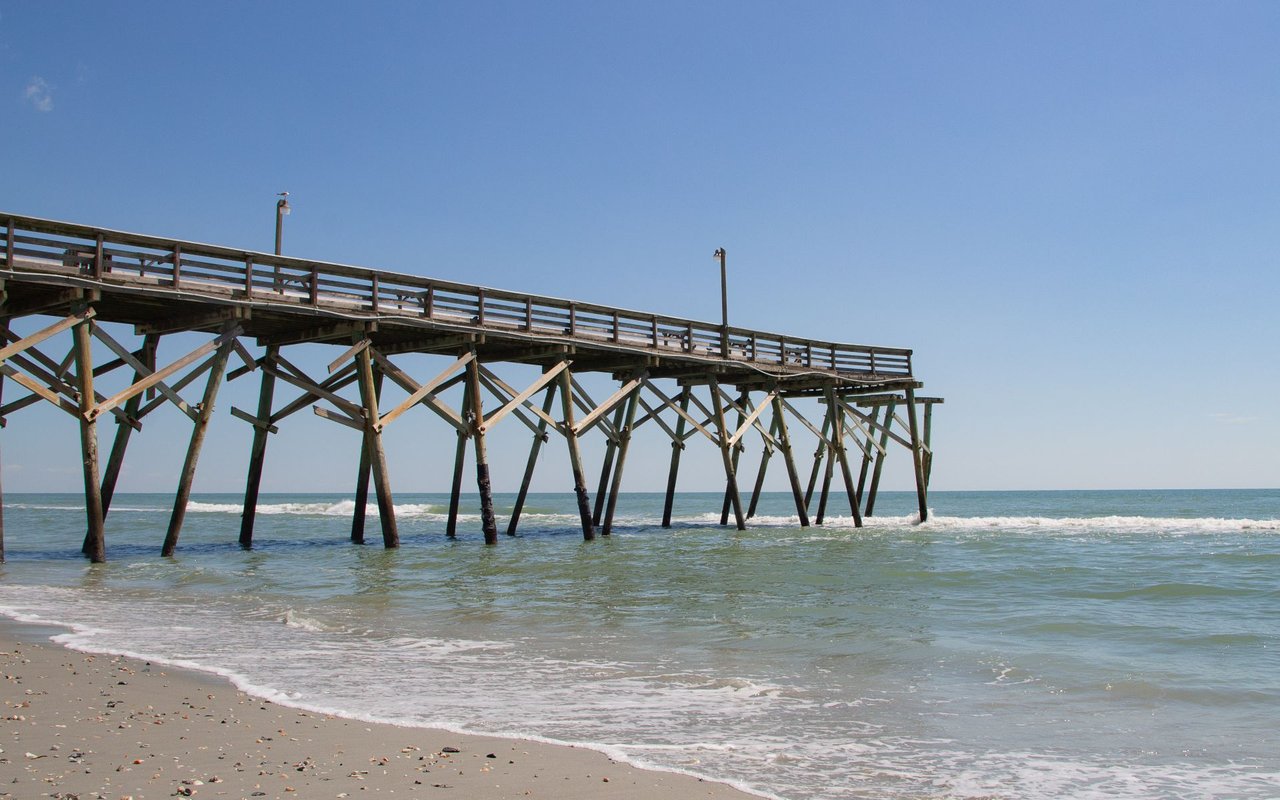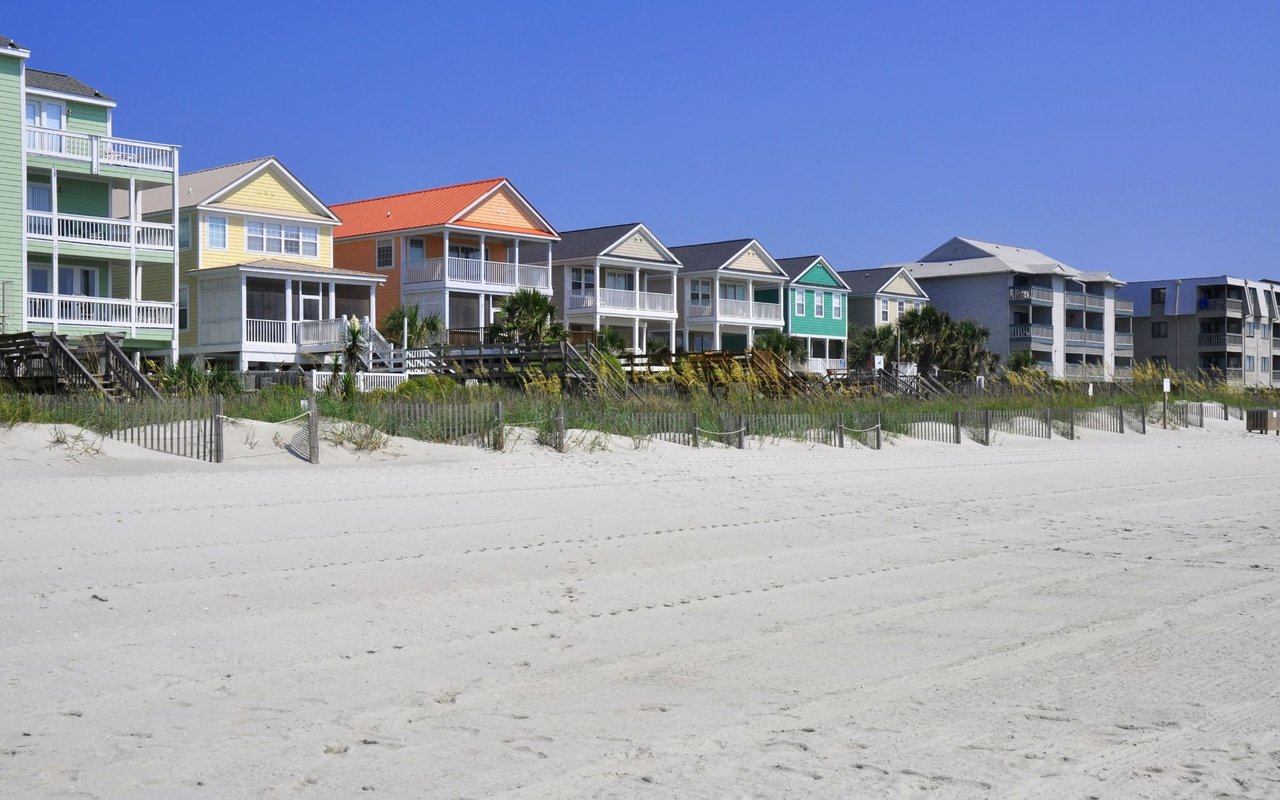
Discover Myrtle Beach Real Estate – Luxury Living Awaits
Home of a growing and diverse population spanning numerous area.
Home of a growing and diverse population spanning numerous area.
172,796 people live in Myrtle Beach, where the median age is 46.1 and the average individual income is $38,984. Data provided by the U.S. Census Bureau.
Total Population
Median Age
Population Density Population Density This is the number of people per square mile in a neighborhood.
Average individual Income
A Place to Put Down Roots on the Grand Strand
Myrtle Beach has quietly completed one of the more impressive transformations in American real estate. What was once a seasonal destination — a stretch of Atlantic coastline known for summer vacations and golf weekends — has become one of the fastest-growing permanent residential markets in the country. As of 2026, the Grand Strand draws more year-round residents than ever before, and the infrastructure has grown to match: new hospitals, expanded highways, master-planned communities with resort-caliber amenities, and a dining and cultural scene that no longer shuts down after Labor Day.
The climate is a genuine draw. Myrtle Beach averages over 215 sunny days per year, with mild winters that rarely dip below freezing and a shoulder season in September and October that locals describe as the area's best-kept secret. The heat and humidity of July and August are real, but residents who have traded a Northeast or Midwest winter for that trade-off tend not to look back.
What distinguishes Myrtle Beach from other Sun Belt retirement and relocation corridors is the combination of coastal access and affordability. You get 60 miles of shoreline, nearly 90 golf courses, a growing culinary scene, and legitimate medical infrastructure — at a price point that remains significantly below comparable coastal markets in Florida or the Carolinas' own Charleston. For retirees, remote workers, and families relocating from higher cost-of-living markets, that equation is hard to ignore.
This guide is written to help you understand not just what is available here, but how this market actually works: which communities are worth serious consideration, how the geography shapes daily life, what South Carolina's tax code means for your retirement income, and what to expect when you go under contract. The goal is to give you the kind of orientation that typically takes months of local research to develop.
The most direct comparison for most buyers considering Myrtle Beach is Charleston. Living costs here run roughly 25% lower, and median home prices reflect that gap meaningfully. Against Wilmington, NC, or virtually any market in Southeast Florida, Myrtle Beach offers more square footage and larger lots at prices that often sit 30% below the national average. For buyers whose equity is coming from a home sold in the Northeast or Mid-Atlantic, that spread creates real purchasing power.
South Carolina's tax code is genuinely favorable for retirement income, and it is worth understanding before you make any financial comparisons:
One critical step that many out-of-state buyers miss: after closing, file immediately for the 4% Assessment Ratio at the County Assessor's office. If you do not establish primary residency on record, the county taxes your property at the 6% non-resident rate, which can effectively double or triple your annual tax bill. This is not an obscure technicality — it is a routine step that every new Myrtle Beach homeowner needs to complete.
The Grand Strand's lifestyle infrastructure is more developed than many buyers expect. Healthcare has expanded substantially, with three major hospital systems anchoring the corridor. The golf scene is world-class in terms of access and variety. The Market Common district gives the area a true walkable urban core. And the location, while feeling tucked away from major metros, is more connected than it appears: Wilmington is roughly 90 minutes north, Charleston is about two hours south, and Florence provides an I-95 connection about an hour west.
The current new construction landscape in Myrtle Beach is defined by master-planned communities that compete on amenities as much as on price. Builders understand that buyers coming from larger metros have high expectations, and the product reflects that. Here is a current overview of the most active communities:
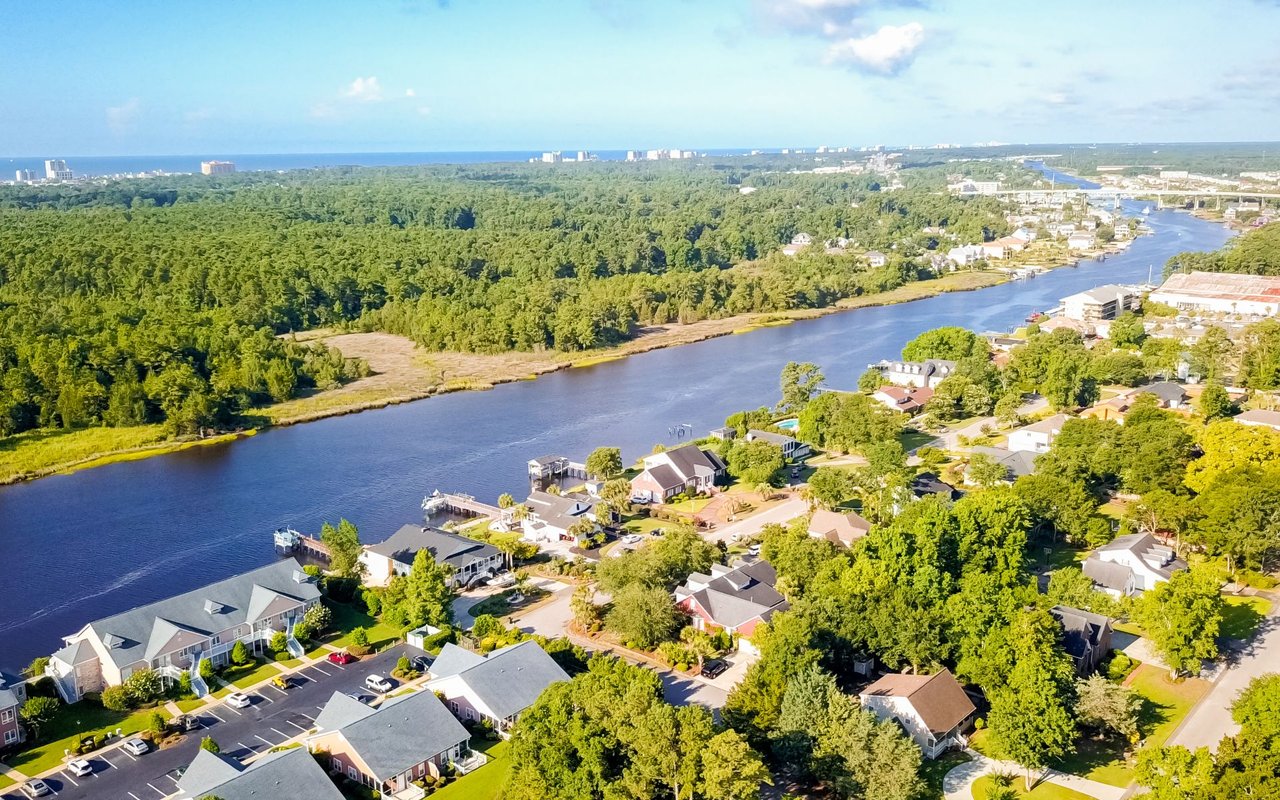
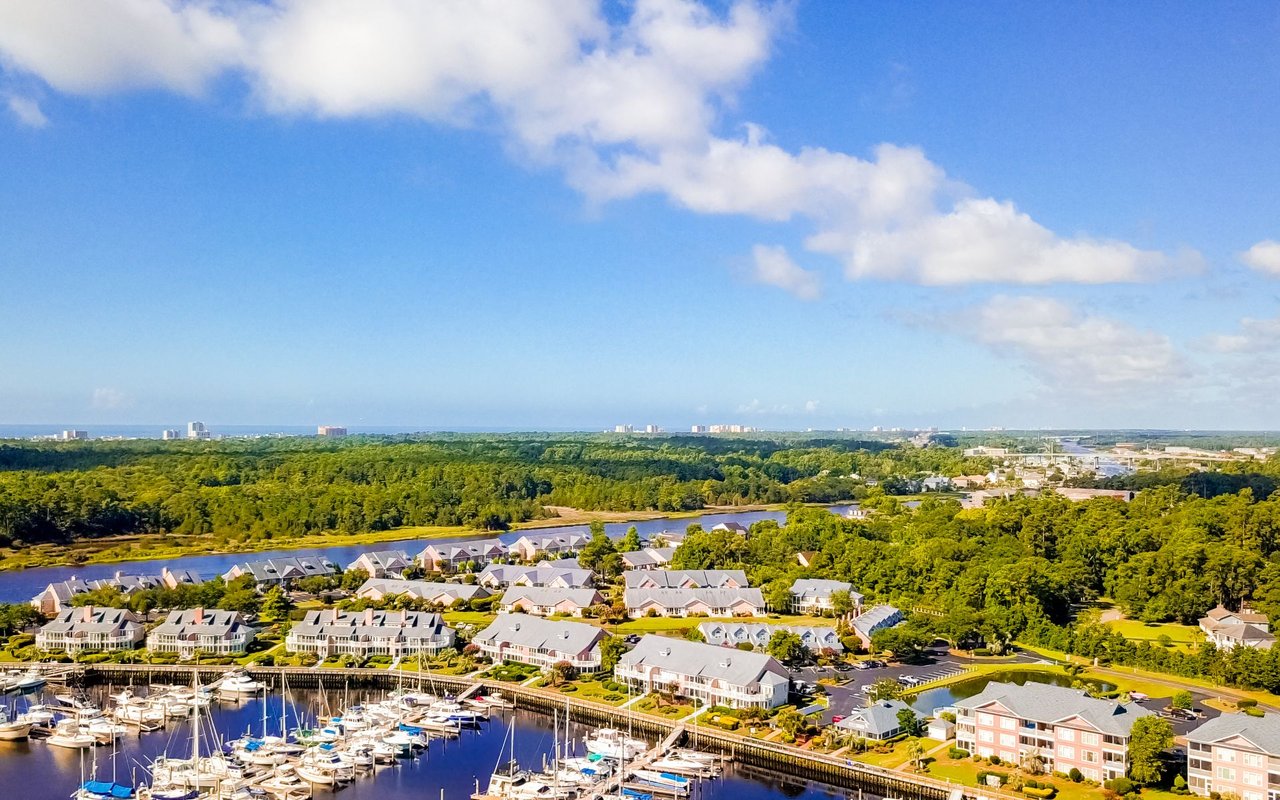
Grande Dunes is the market's flagship luxury address. Built around the Intracoastal Waterway with an Ocean Club offering private beach access and a marina, Grande Dunes draws custom and semi-custom buyers with prices ranging from $600,000 into the multimillions. Toll Brothers is among the builders active here, and the community's long-established infrastructure gives it a maturity that newer developments have not yet achieved.
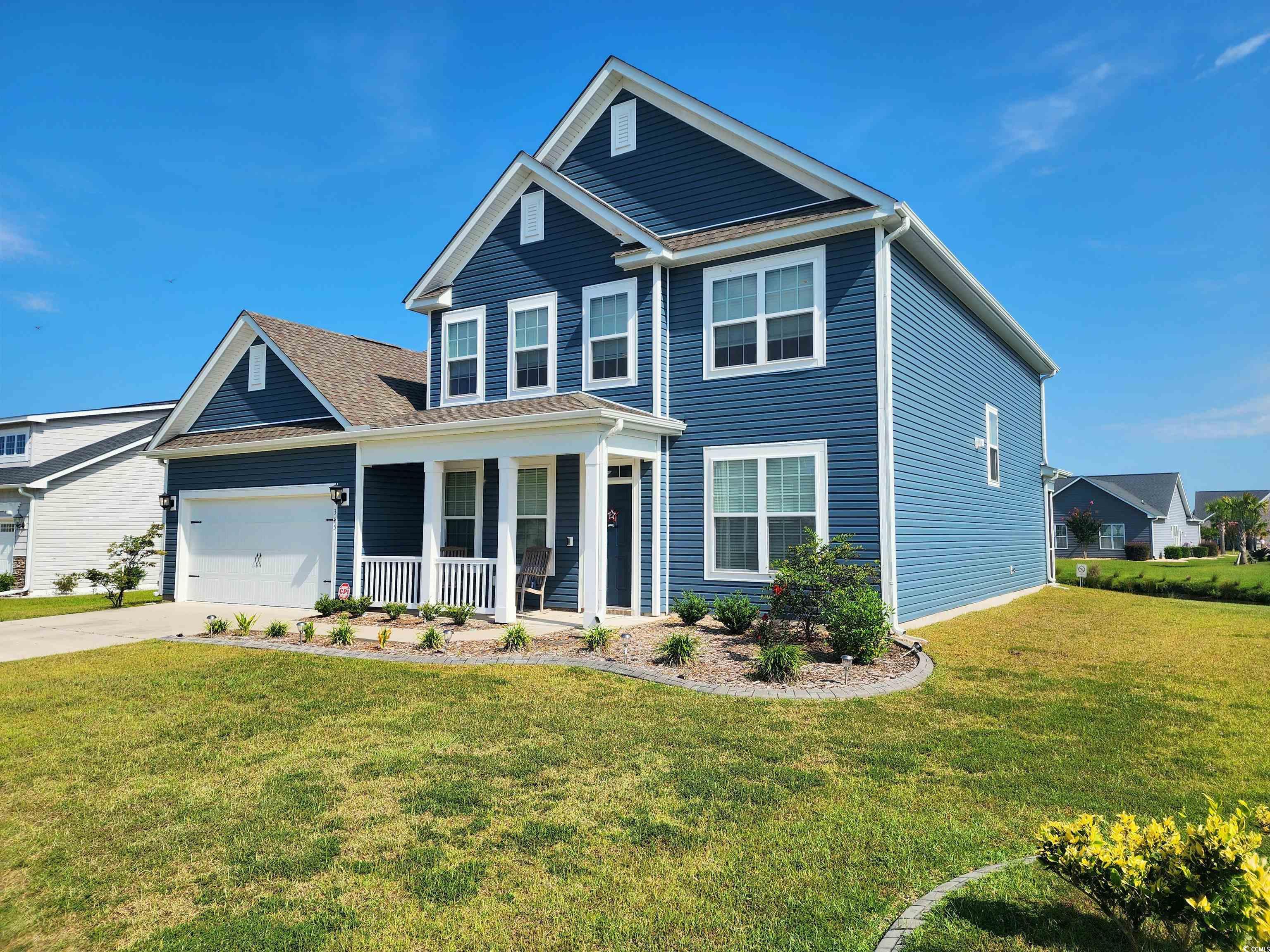
Carolina Forest is the region's largest master-planned growth corridor, with Pulte, Lennar, and D.R. Horton all actively building. The price range of roughly $350,000 to $550,000 reflects its primary appeal: top-rated schools, significant green space and nature preserves, and the suburban infrastructure that families and remote workers tend to prioritize. The tradeoff is that it sits west of the bypass, meaning beach access requires a drive.
SayeBrook by Toll Brothers targets the upper-middle tier of the new construction market, with prices ranging from $450,000 to $700,000. Located near Sayebrook Town Center, it emphasizes modern architecture and elevated interior finishes, attracting buyers who want the new-construction experience with a more curated aesthetic.
Clearwater Lakes by Beazer Homes sits in the $350,000 to $450,000 range and is worth noting for its focus on energy efficiency and scenic lake settings. It draws buyers who want a quieter residential feel without sacrificing quality construction.
Livingston Place by D.R. Horton is one of the more accessible entry points into new construction in the market, with homes ranging from $300,000 to $400,000. It attracts first-time buyers and value-oriented retirees who want the benefits of new construction at a more approachable price.
Crescent Cove by Lennar, priced between $350,000 and $650,000, sits east of the Intracoastal with day dock access — a meaningful feature for boating households. Its proximity to Market Common makes it particularly appealing to active buyers who want walkable retail and dining within reach.
A trend worth noting: Lennar, Pulte, and several other national builders are currently carving out dedicated 55+ enclaves within larger master-planned communities. These pods typically include maintenance-free lawn care and age-restricted clubhouses, giving active adult buyers the social programming they want without full separation from the broader community.
The 55+ market in Myrtle Beach has moved well beyond the model of modest retirement clusters near the beach. What defines the current generation of active adult communities here is the "Resort-Plus" model: the HOA functions less as a maintenance service and more as a lifestyle program, with full-time staff dedicated to keeping residents socially engaged and physically active.
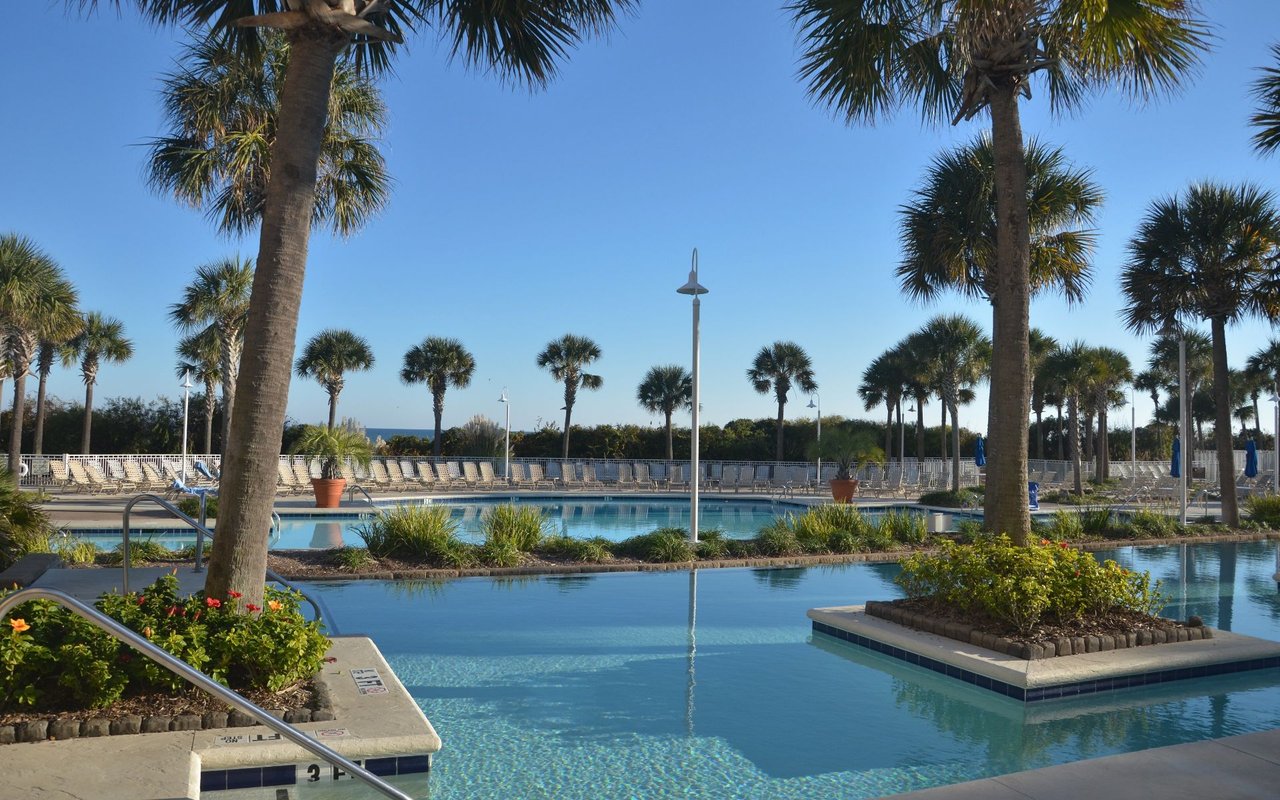
Del Webb at Grande Dunes and North Myrtle Beach represents the top of this market. The clubhouses here reflect $10 million-plus investments, featuring indoor and outdoor pools, fitness centers, and private beach club access. Lifestyle Directors on staff curate programming that ranges from wine tastings and travel clubs to charity events. HOA fees typically run between $300 and $500 per month, which generally covers lawn maintenance, trash, basic cable and internet, and 24/7 security. For buyers accustomed to maintaining their own properties, the all-in cost is often more competitive than it appears on paper.
Cresswind at Market Common has built its identity around wellness. Its fitness centers operate on the "Smart Fit" model, and its pickleball complex is among the best in the region. Programming is organized around four pillars — environmental, mindfulness, occupational, and social wellness — with on-site classes and workshops built into the community calendar. Its location adjacent to Market Common means walkable access to retail, dining, and the 2-mile park trail without getting in a car.
Latitude Margaritaville, located in the Hardeeville area near the broader Hilton Head corridor, brings the Jimmy Buffett brand to the retirement community model. The concept is entertainment-forward: Fins Up! fitness centers, Barkaritaville dog parks, and a private town center with live music and food and beverage built in. The energy level here is genuinely higher than most comparable communities, and buyers who visit either connect with it immediately or recognize it is not their pace.
A note on HOA financial structure: most 55+ communities require a one-time Capital Contribution Fee at closing, typically between $1,500 and $3,000, to fund the community's long-term reserve. This is standard practice and worth factoring into your closing cost estimates.
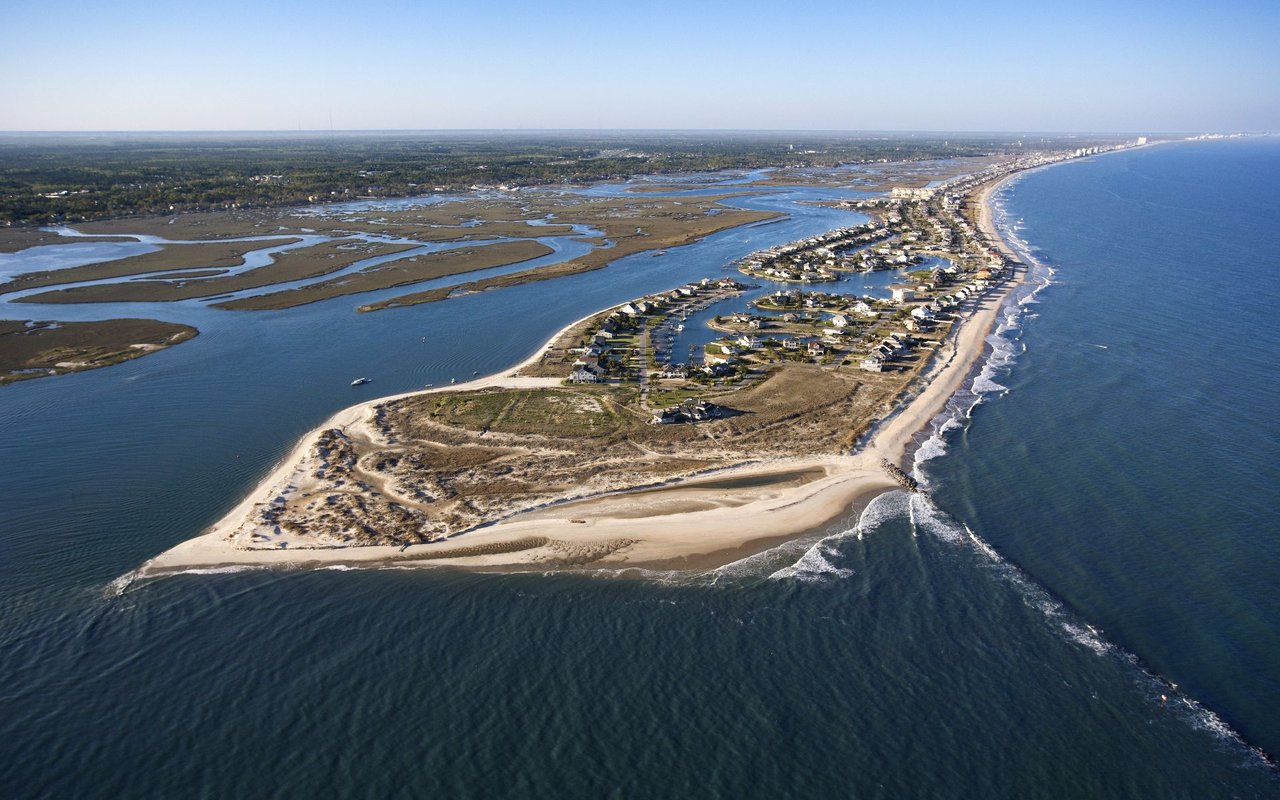
Understanding the geography of the Grand Strand is one of the most important early steps for any buyer. The area spans roughly 60 miles of coastline with meaningfully different character from one end to the other, and where you land on that spectrum shapes everything from your commute to your grocery store to the overall pace of daily life.
The North End: Little River and North Myrtle Beach
Little River sits at the North Carolina border and has a genuinely different feel from the resort core. It is slower, more established, and more shaded, with mature tree canopy that gives it a character uncommon in newer coastal developments. It is known for its waterfront seafood community and the Blue Crab Festival, and it attracts buyers who want proximity to the coast without living inside the tourist corridor.
North Myrtle Beach is more residential and upscale than Central Myrtle Beach. Barefoot Landing and Cherry Grove anchor its commercial life, but the neighborhoods surrounding them feel like a community rather than a tourist zone. Buyers who want coastal access with a quieter, more settled residential identity tend to find North Myrtle a better fit than the areas further south.
The Central Core: Market Common and Carolina Forest
Market Common is the Grand Strand's most walkable district. Built on the former Myrtle Beach Air Force Base, it is organized around a central park with a 2-mile trail, high-end retail, restaurants, a cinema, and residential options that range from condos to single-family homes. Active retirees and buyers who want to walk to dinner rather than drive tend to gravitate here naturally.
Carolina Forest is the geographic center of the region's new construction activity. It offers large master-planned tracts, suburban-grade infrastructure, and the area's highest-performing schools. It sits west of the bypass, which means slightly longer drives to the beach, but the tradeoff is newer homes, larger lots, and a calmer residential environment.
The South End: Murrells Inlet and Surfside Beach
Murrells Inlet is consistently described as the "Seafood Capital of South Carolina," and the title is earned. The MarshWalk — a waterfront boardwalk lined with restaurants and live music venues — is one of the area's most genuinely beloved community assets. The aesthetic here leans Lowcountry: Spanish moss, marshes, and a more organic, less manicured feel than the northern communities. Buyers who prefer character over polish tend to find Murrells Inlet their natural home.
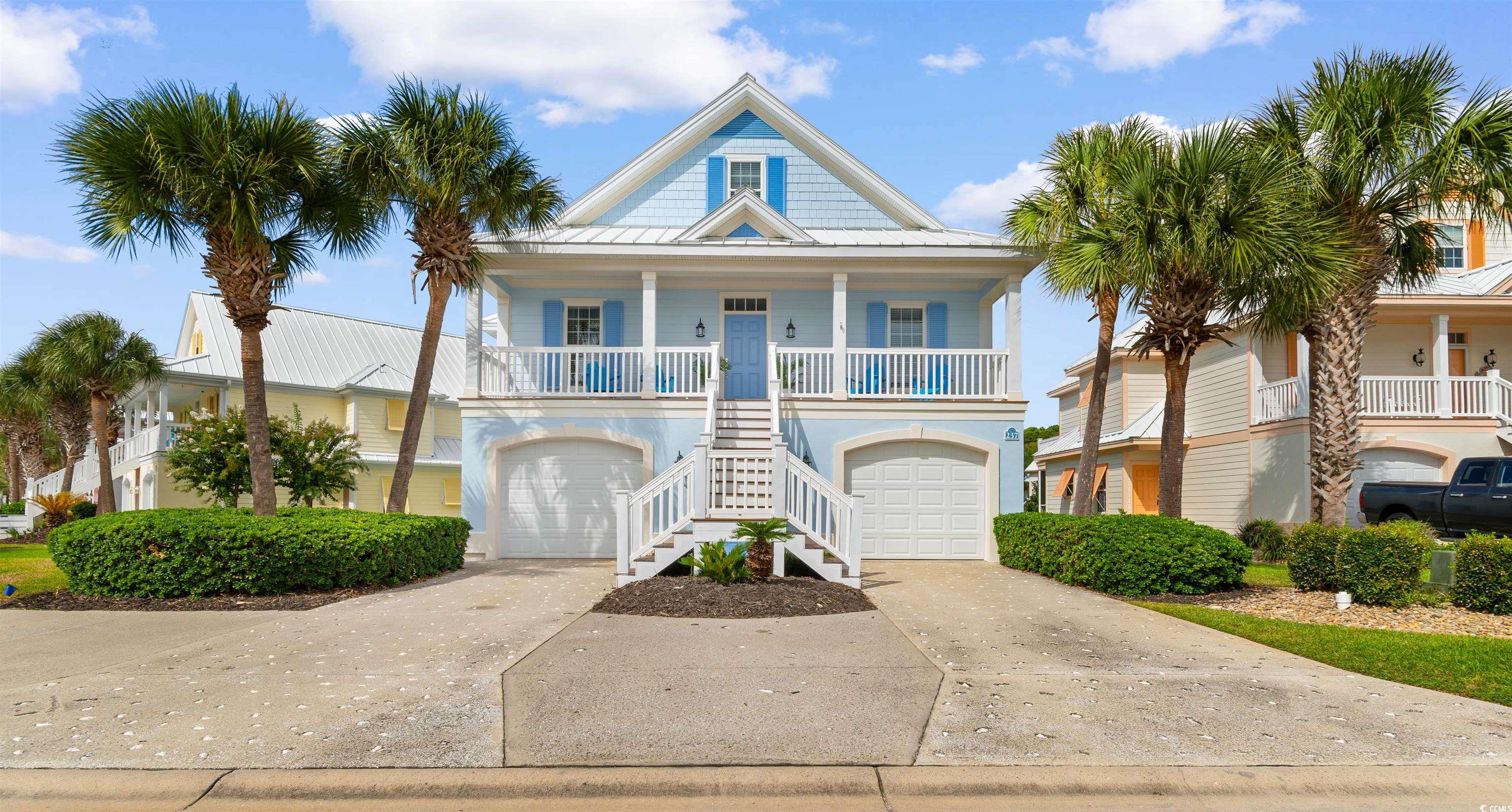
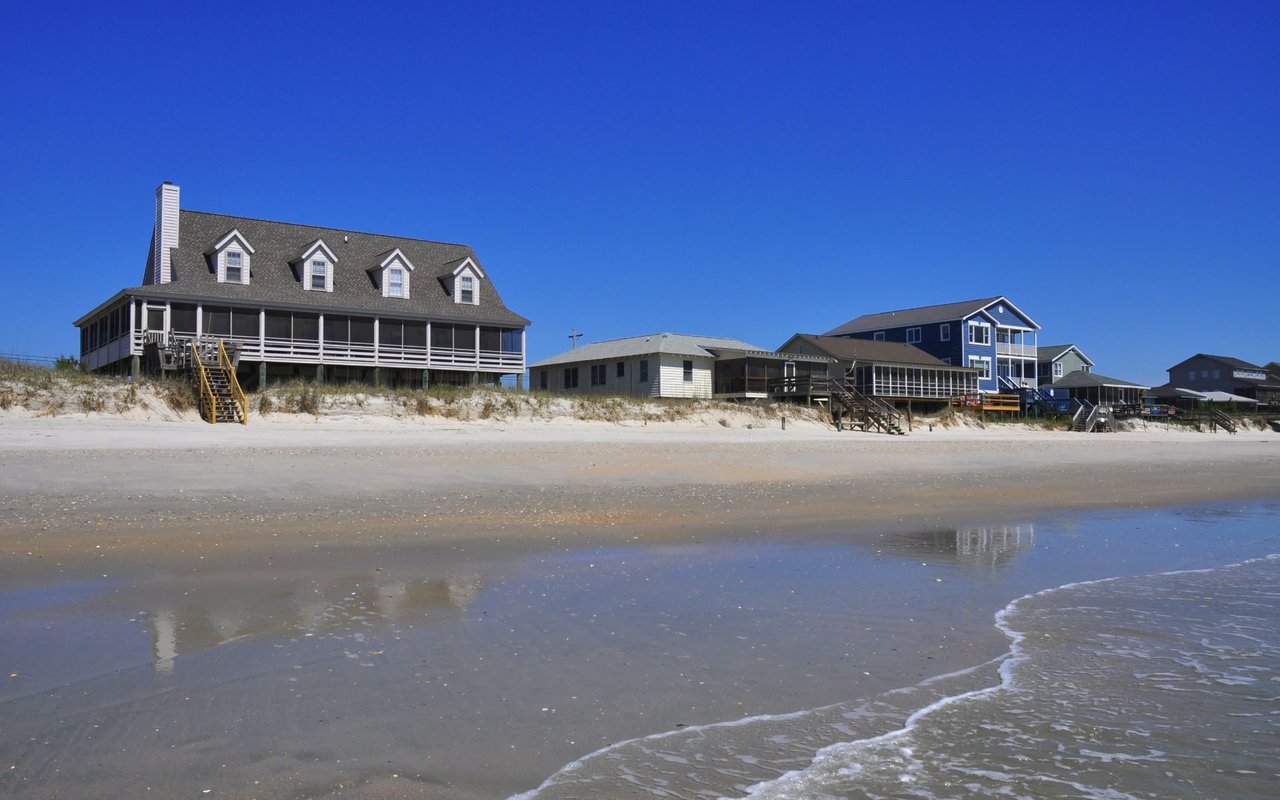
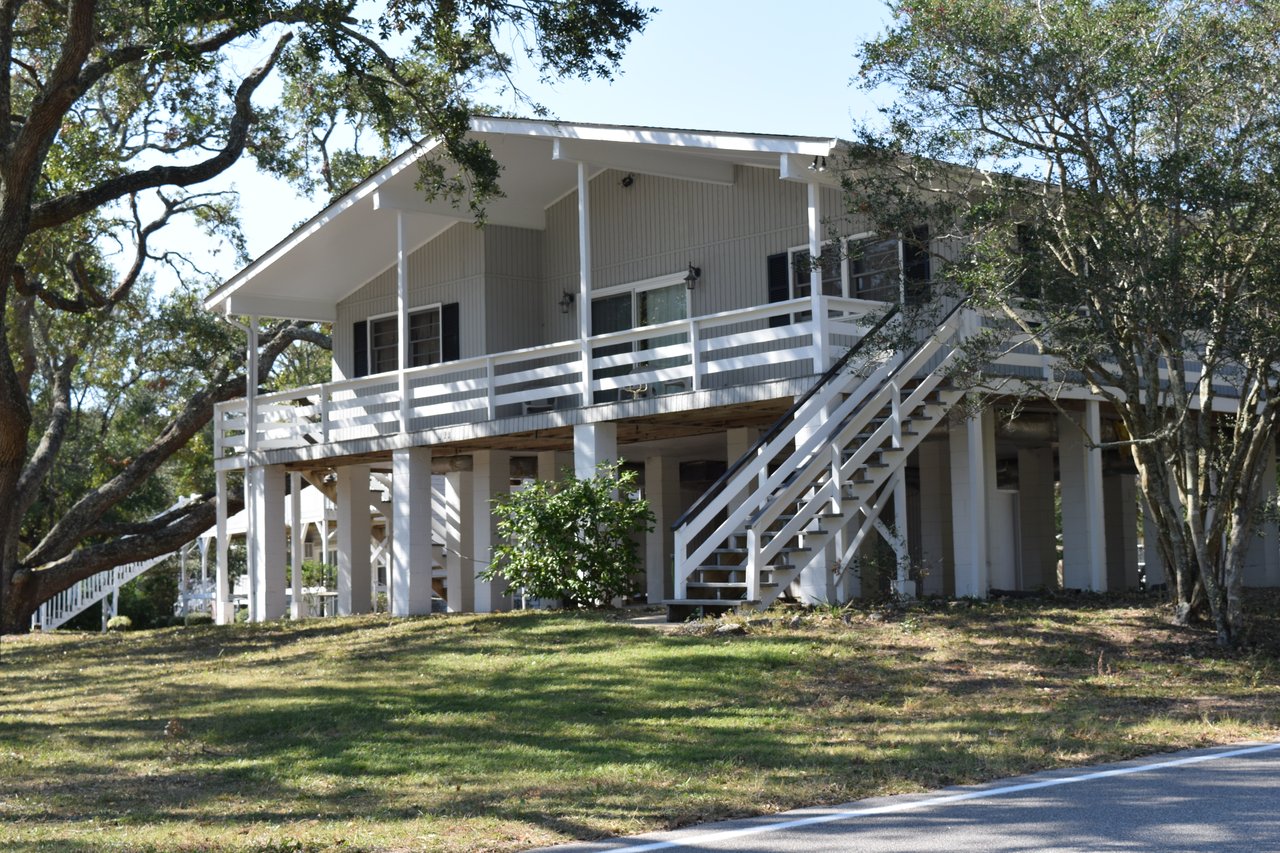
Surfside Beach and Garden City carry a nostalgic, mid-century coastal quality, with fewer high-rises, more stilt-house neighborhoods, and a residential density that feels human-scale compared to the resort core.
The West: Conway
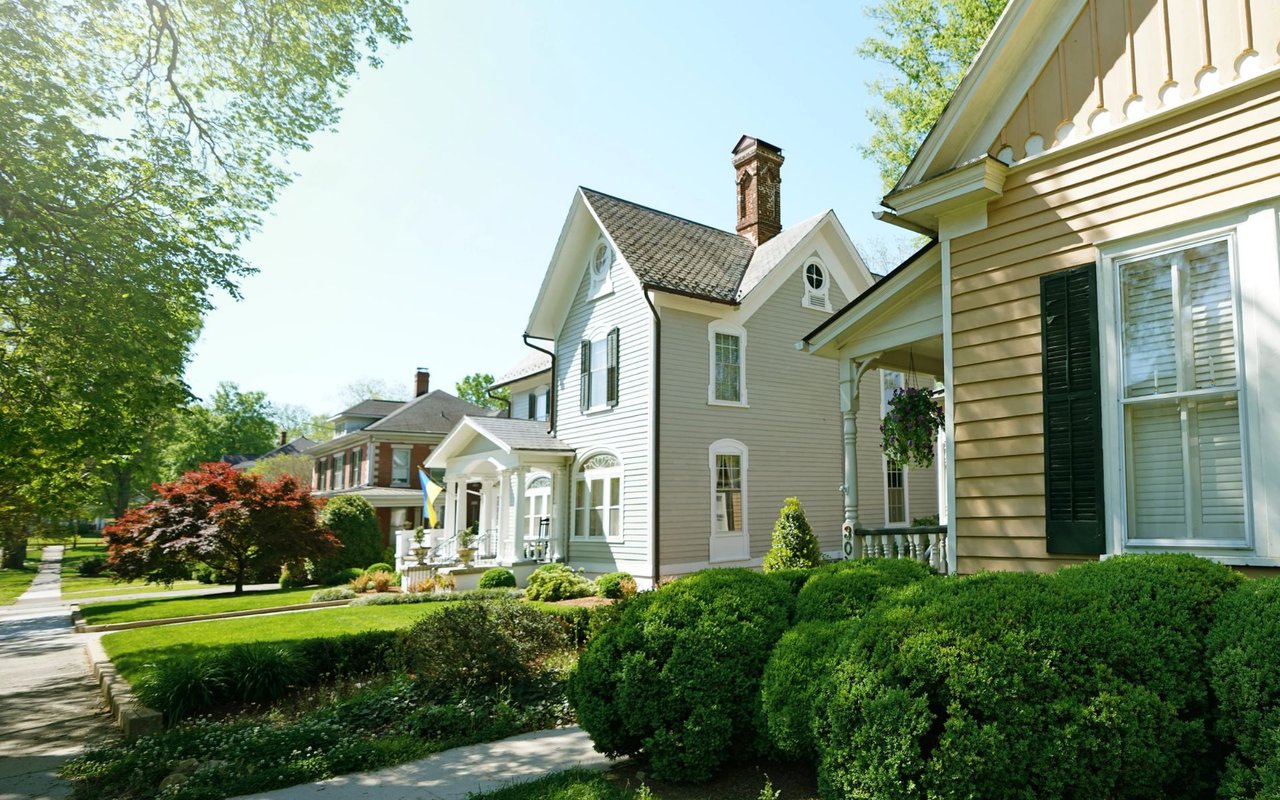
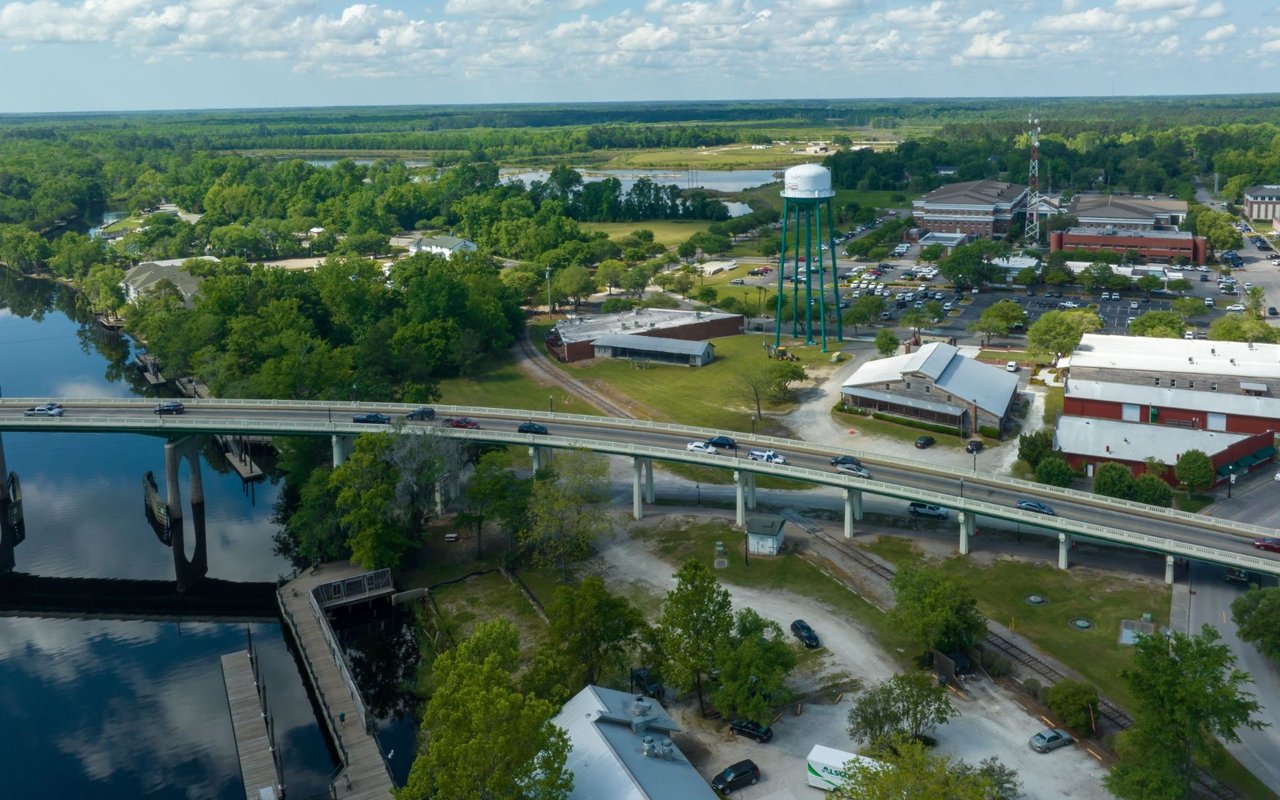
Conway is a historic river town about 20 minutes inland and is the best place in the region to find larger acreage, historic architecture, or a genuine small-town context at a meaningful discount to beachfront pricing. It appeals to buyers who want space and quiet more than proximity to the ocean.
Life in Myrtle Beach operates on a "resort-to-residential" hybrid model that has become more developed with every passing year. The infrastructure here was built to serve a demanding seasonal population, and permanent residents benefit from it every day.
Golf is the social cornerstone of the market in a way that is difficult to overstate. With nearly 90 courses in the immediate region, the sport structures everything from morning routines to community social calendars. What distinguishes Myrtle Beach from private-club-centric golf markets is the quality of its public and semi-private access — courses like TPC Myrtle Beach and Caledonia Golf & Fish Club compete with any private experience in the region and are available to residents without membership.
The dining scene has matured significantly. The MarshWalk in Murrells Inlet is the clearest evidence of this: a waterfront boardwalk offering fresh seafood sourced locally, live music most evenings, and a decidedly local energy rather than a tourist one. The Market Common has developed its own dining identity, with upscale bistros and Black Drum Brewing among the locally favored spots. Broadway at the Beach and Barefoot Landing serve their purpose for larger-scale entertainment, but long-term residents tend to gravitate toward the smaller, more character-driven options.
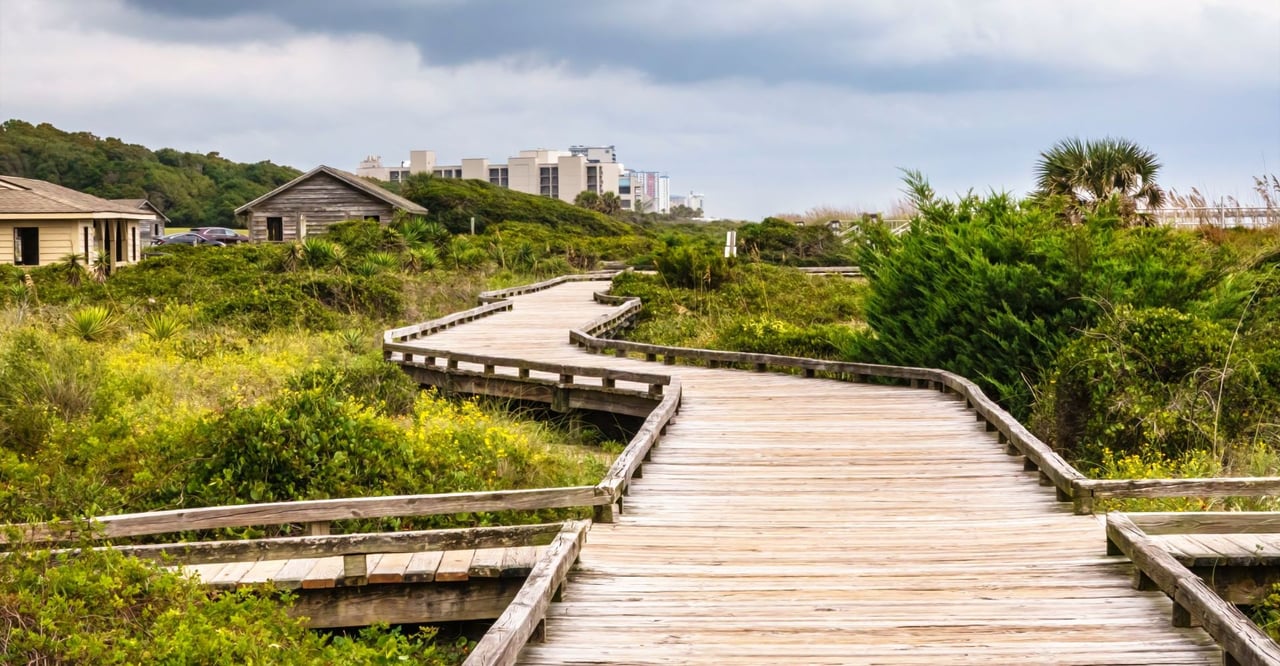
Beyond the beach, the Waccamaw River and the Intracoastal Waterway provide a secondary outdoor playground for kayaking, pontoon boating, and fishing. Myrtle Beach State Park offers preserved maritime forest for residents who want access to nature without driving far from home.
For retirement-age buyers, healthcare infrastructure often matters as much as any other factor in a relocation decision. Myrtle Beach has invested substantially in this corridor, and as of 2026 the medical landscape is considerably stronger than what many buyers from larger markets expect to find.
Grand Strand Health (HCA) anchors the region's acute care capacity. Its Level I Adult Trauma Center is the busiest in South Carolina, and the system earned a 2026 Patient Safety Excellence Award from Healthgrades, placing it in the top 10% of hospitals nationally. Its strongest specialties include cardiac surgery, stroke care, and orthopedic and spine surgery. A $55 million expansion of its emergency room and operating room facilities is currently underway.
McLeod Health is expanding aggressively to serve the inland growth corridors. A new 48-bed hospital in Carolina Forest is scheduled to open in late summer 2026, adding a major acute care facility to the area most buyers are actively considering for new construction. McLeod's network of primary care and ambulatory medical parks across Seacoast, North Myrtle Beach, and Carolina Forest provides a depth of routine access that reduces the need to travel to main campuses for most healthcare needs.
Tidelands Health serves as the official healthcare provider for many local athletic and community organizations and has built its reputation around orthopedics and physical rehabilitation — both of which are directly relevant to the needs of an active retirement population. Its expanded outpatient surgery centers provide access to joint replacements and related procedures closer to where patients live.
Beyond the major systems, a high density of freestanding 24/7 emergency rooms operates throughout Conway, Murrells Inlet, and Little River, significantly reducing wait times and expanding after-hours access across the full length of the Strand. Specialized oncology centers are distributed across the region as well, reducing the need to travel to Charleston for cancer treatment.
Myrtle Beach has historically been a car-dependent market, and the honest answer is that it largely remains one. But the infrastructure picture has improved, and for buyers coming from metros with heavy traffic, the local congestion context is worth understanding.
Myrtle Beach International Airport (MYR) is a genuine asset. As of 2026, the airport offers nonstop service to more than 50 cities, with Southwest, United, and Frontier among the carriers that have expanded service recently, adding direct routes to Denver, Houston, and Portland. A $93.5 million terminal expansion was recently completed, adding six new gates and substantially reducing wait times during peak travel periods. Most master-planned communities in the region sit within a 10 to 20-minute drive of the terminal.
Highway 31 (Carolina Bays Parkway) is the road you need to know first. It functions as the region's beltway, running north to south between Little River and Murrells Inlet and keeping residents off the tourist congestion of Highway 17 Business. Locals use it as their primary north-south artery. If you are evaluating a community and want to understand how it fits into daily life, start by mapping its access to Highway 31.
The I-73 Project, which would link I-95 directly to Myrtle Beach, has seen renewed momentum as of 2026. The connection is still in phased construction, but its progress is already influencing inland property values, and completion would meaningfully change the region's accessibility from the broader Eastern Seaboard.
Coast RTA is currently rolling out a 2026 service overhaul that includes 60-minute bus frequencies on major routes and a new Purple Line connecting Carolina Forest to medical and retail centers. For car-free living, the system is not yet on par with urban transit, but the improvements represent a genuine step forward.
The market has moved out of the post-pandemic frenzy and into a more balanced phase. Buyers who were locked out of the 2021-2023 market will find meaningfully better conditions today.
Single-family homes are currently trading between $330,000 and $390,000 at the median. Condos and townhomes are considerably more affordable, averaging between $230,000 and $245,000. Homes are spending roughly 75 to 80 days on market, which gives buyers real room to conduct due diligence and negotiate without the pressure of instant multiple-offer situations.
New Construction vs. Resale: A Practical Comparison
New construction carries specific advantages in the current market. Builders like Lennar and Pulte are actively offering 2026 rate buy-downs to as low as 4-5%, along with closing cost coverage — incentives that individual sellers cannot match. New builds also come with 2026-standard smart-home systems and high-efficiency HVAC as standard features. The tradeoff is tighter supply: new inventory sits at approximately a 2.8-month supply as builders pace their releases carefully.
Resale inventory tells a different story. Supply is closer to 5 months, giving buyers more immediate move-in options and more flexibility on price negotiation. Homes built before 2015 may require roof or HVAC updates to meet current insurance underwriting standards, which is a due diligence item worth addressing early.
One strategic note for new construction buyers: the best value in a master-planned community typically comes in Phase 1, when builders price lower to establish the neighborhood. As the clubhouse is completed and later phases open, prices in Phase 1 tend to appreciate. Buyers willing to live through the construction period often benefit from that sequencing.
South Carolina has a few procedural realities that out-of-state buyers should understand before going under contract.
South Carolina is an attorney state. Unlike markets where title companies manage the closing, state law requires a licensed attorney to oversee the transaction: title search, lender coordination, and the closing itself. Expect attorney fees of between $800 and $1,500, which are typically the buyer's expense.
The Due Diligence period has become the standard protective mechanism in South Carolina contracts, replacing the older inspection contingency model for most transactions. During a negotiated period of typically 10 to 14 days, you pay a non-refundable fee (usually $500 to $2,000) for the right to terminate the contract for any reason and retain your earnest money. The due diligence fee goes to the seller regardless of outcome, but it provides buyers real flexibility to investigate the property thoroughly.
The CL-100 Wood Infestation Report is nearly universal in South Carolina contracts. It covers active termite activity, wood-destroying organisms, and moisture damage. In a coastal climate with significant humidity, this is not a formality.
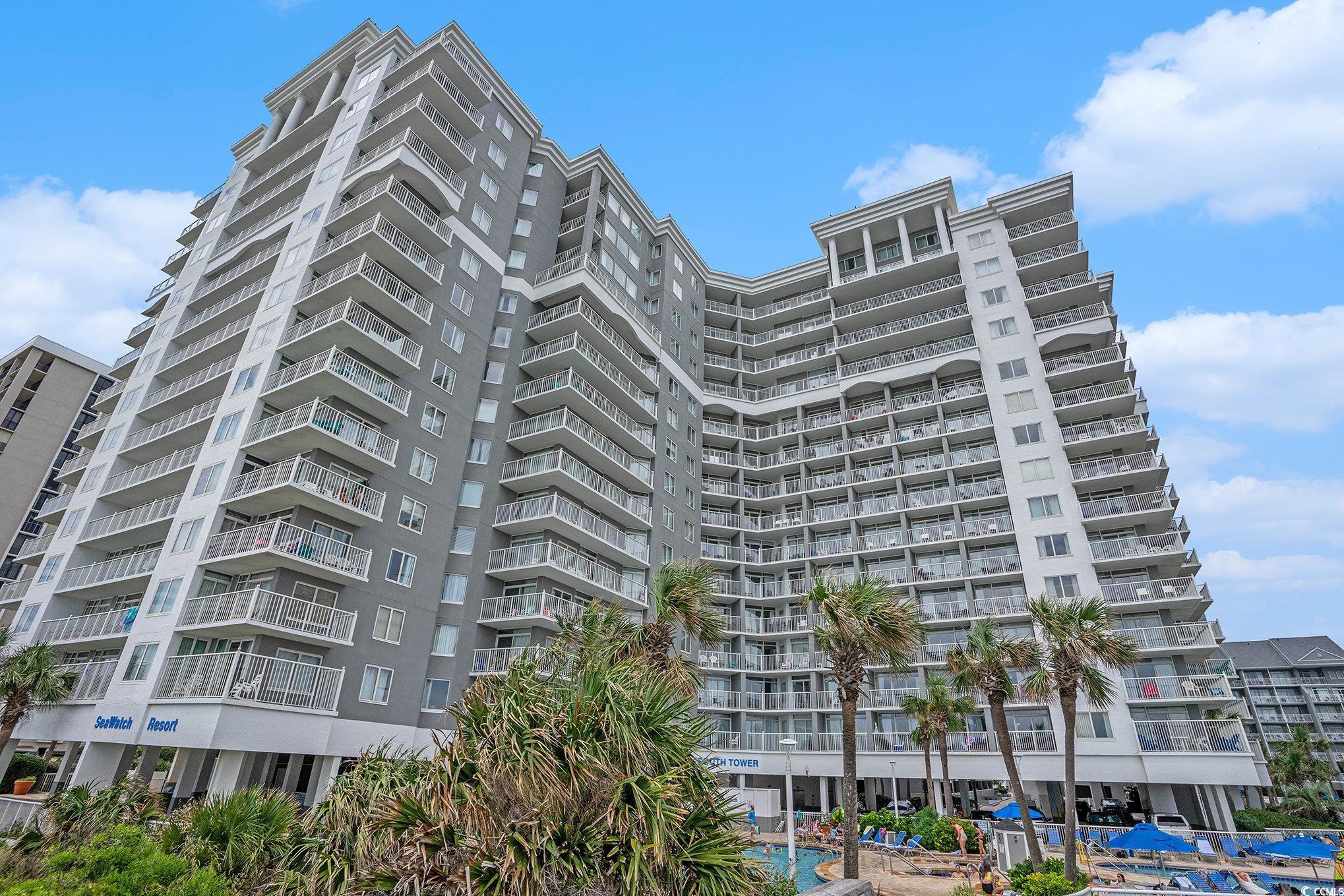
As for property types, the most important distinction for buyers new to this market is between oceanfront condos and Intracoastal Waterway condos. Many oceanfront units operate as condotels — managed as short-term rental hotels — which creates financing complications and HOA structures that are fundamentally different from residential ownership. ICW condos tend to be quieter and more straightforwardly residential. The distinction matters and is worth asking about specifically when evaluating any condo purchase.
Moving to Myrtle Beach from the Northeast or Midwest involves more than a change of scenery. A few practical realities help frame what day-to-day life actually looks like.
The Highway 17 Rule is the quickest geographic orientation available. The region runs along two parallel arteries: Highway 17 Business (the older road, closer to the ocean, higher in tourist traffic) and Highway 17 Bypass (the locals' corridor, with big-box retail, service businesses, and newer infrastructure). Buyers who live east of Business 17 can typically access the beach by foot or golf cart. Buyers west of the Bypass are in true suburban territory, with more space, newer homes, and better value but a longer drive to the water.
Insurance is a significant line item that buyers from non-coastal markets frequently underestimate. Flood insurance and wind and hail coverage are both meaningful costs on the Grand Strand, even for properties outside designated Special Flood Hazard Areas. Most local residents carry preferred-risk flood policies year-round. Hurricane season runs June through November, and while direct hits are infrequent, the insurance market prices accordingly.
The shoulder season is what converts visitors into permanent residents. September and October bring warm water, lower humidity, emptier beaches, and the return of a quieter, more local version of the area. Residents who have lived here long enough to experience it tend to describe it as the defining feature of life on the Grand Strand.
Here is a quick reference for the area's major geographic zones:
Area | Character | Best Suited For |
|---|---|---|
North Myrtle Beach | Upscale, residential, Shag dancing heritage | Families, luxury buyers |
Central MB / Market Common | Walkable, active, urban-style | Active retirees, urbanites |
Carolina Forest | Master-planned suburbia, top schools | Families, remote workers |
South Strand / Murrells Inlet | Lowcountry character, marshes, seafood | Nature lovers, foodies |
Inland / Conway | Historic, quiet, riverfront | Buyers seeking acreage or small-town feel |
Jan and Dan Sitter of Coastal Beach Homes LLC are licensed South Carolina REALTORS and specialists in the Myrtle Beach area market. What sets them apart is straightforward: when you hire Jan and Dan, you work with Jan and Dan. They personally handle every aspect of your transaction from initial search through closing and beyond, maintaining the kind of consistent communication that most buyers and sellers say is the hardest thing to find in a real estate relationship.
Their knowledge of this market goes well beyond the listings. They understand the nuances between communities, the builders worth working with, the contingencies that protect buyers in this specific market, and the geographic realities that determine whether a given neighborhood is the right fit for a given buyer. For clients relocating from outside the region, that local context is often the most valuable thing they provide.
Whether you are searching for a new construction home, evaluating active adult communities, or trying to understand how the different parts of the Grand Strand compare, Jan and Dan are the resource you want in your corner.
Jan Sitter | License #94234 | (854) 269-1593 | [email protected] Dan Sitter | License #94240 | (854) 269-1593 | [email protected]
Coastal Beach Homes LLC | coastalbeachhomessc.com
There's plenty to do around Myrtle Beach, including shopping, dining, nightlife, parks, and more. Data provided by Walk Score and Yelp.
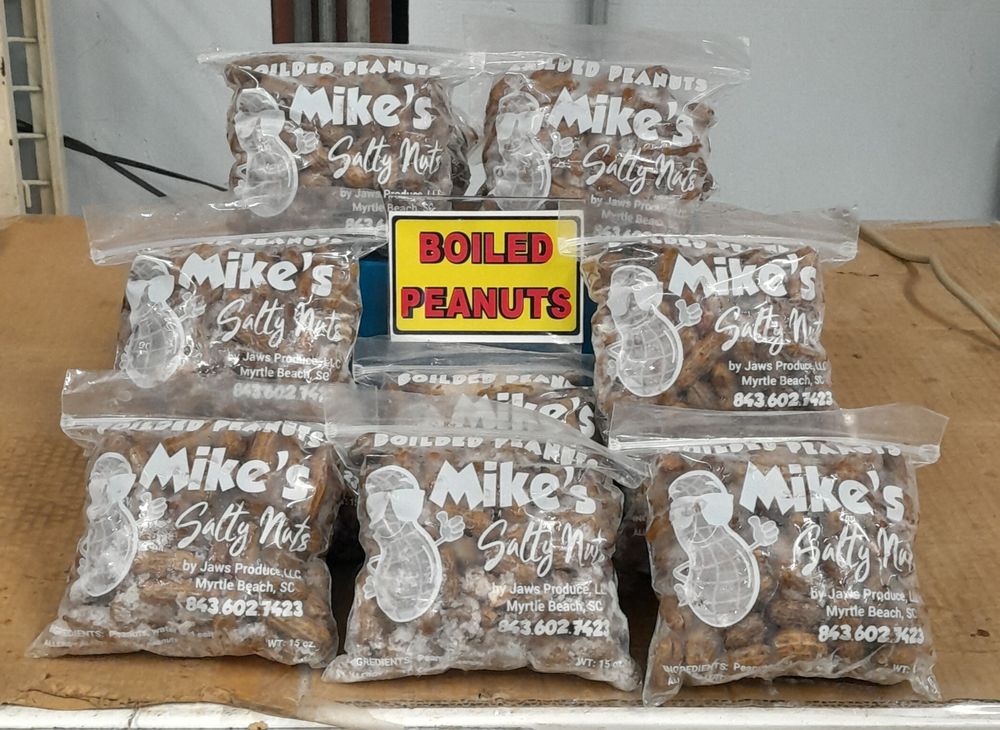
Explore popular things to do in the area, including Mike's Salty Nuts, Benchmark Distributing, and Burger King.
| Name | Category | Distance | Reviews |
Ratings by
Yelp
|
|---|---|---|---|---|
| Dining | 0.97 miles | 0 reviews | 0/5 stars | |
| Dining | 0.99 miles | 0 reviews | 0/5 stars | |
| Dining · $ | 1.13 miles | 33 reviews | 1.6/5 stars | |
| Dining | 1.18 miles | 9 reviews | 2.3/5 stars | |
| Dining | 1.29 miles | 1 review | 5/5 stars | |
| Dining | 1.3 miles | 0 reviews | 0/5 stars | |
| Dining | 1.31 miles | 2 reviews | 2/5 stars | |
| Active | 0.37 miles | 10 reviews | 3.2/5 stars | |
| Active | 0.44 miles | 1 review | 5/5 stars | |
| Active | 0.44 miles | 2 reviews | 5/5 stars | |
| Active | 0.77 miles | 0 reviews | 0/5 stars | |
| Active | 0.89 miles | 0 reviews | 0/5 stars | |
| Active | 1.09 miles | 1 review | 5/5 stars | |
| Active | 1.21 miles | 2 reviews | 5/5 stars | |
| Active | 1.28 miles | 0 reviews | 0/5 stars | |
| Beauty | 0.44 miles | 4 reviews | 3/5 stars | |
| Beauty | 0.44 miles | 0 reviews | 0/5 stars | |
| Beauty | 0.8 miles | 1 review | 1/5 stars | |
| Beauty | 0.8 miles | 6 reviews | 4.3/5 stars | |
| Beauty | 0.85 miles | 0 reviews | 0/5 stars | |
| Beauty | 0.94 miles | 0 reviews | 0/5 stars | |
| Beauty | 1.26 miles | 29 reviews | 1.2/5 stars | |
| Beauty | 1.27 miles | 18 reviews | 3.8/5 stars | |
| Beauty | 1.29 miles | 33 reviews | 2.7/5 stars | |
|
|
||||
|
|
||||
|
|
||||
|
|
||||
|
|
||||
|
|
Myrtle Beach has 71,112 households, with an average household size of 2.328. Data provided by the U.S. Census Bureau. Here’s what the people living in Myrtle Beach do for work — and how long it takes them to get there. Data provided by the U.S. Census Bureau. 172,796 people call Myrtle Beach home. The population density is 1,317 and the largest age group is Data provided by the U.S. Census Bureau.
Total Population
Population Density Population Density This is the number of people per square mile in a neighborhood.
Median Age
Men vs Women
Population by Age Group
0-9 Years
10-17 Years
18-24 Years
25-64 Years
65-74 Years
75+ Years
Education Level
Total Households
Average Household Size
Average individual Income
Households with Children
With Children:
Without Children:
Marital Status
Blue vs White Collar Workers
Blue Collar:
White Collar:
When you hire Jan and Dan, you get a team of professional real estate agent diligently working together on your behalf. They are knowledgeable and experienced professionals you can trust to best represent your interests in our unique market.
JAN AND DAN SITTER | COASTAL BEACH HOMES
ADDRESS
9628 N KINGS HWY
MYRTLE BEACH SC 29572